
Listen to this Post
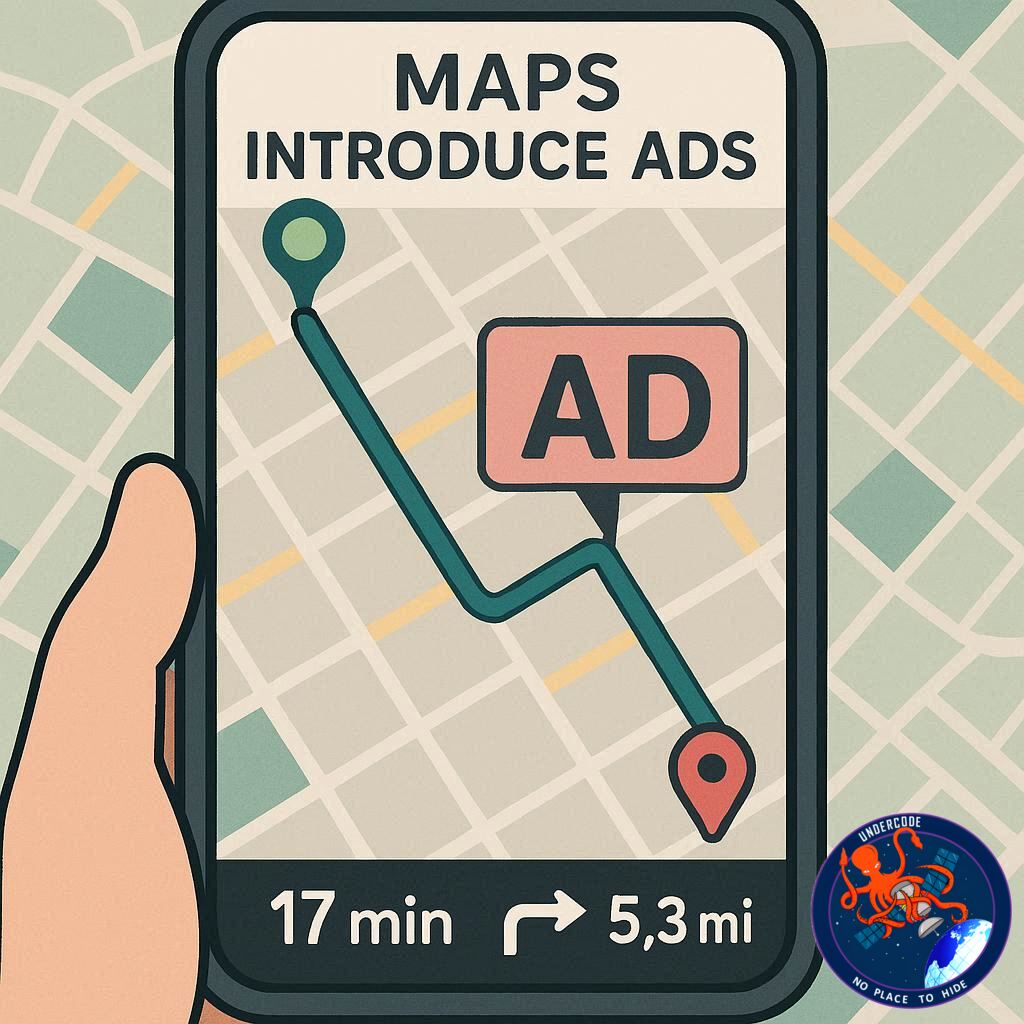
Apple Maps has long stood out for its clean, ad-free interface, offering users an uncluttered navigation experience in contrast to the ad-heavy Google Maps. However, a recent report from Bloomberg’s Mark Gurman suggests that Apple is planning to introduce advertisements into its mapping service, potentially as soon as 2026. This development has sparked concern among users who value Apple Maps for its simplicity, trustworthiness, and privacy-focused design.
According to Gurman, the upcoming ad integration would allow businesses—such as restaurants and shops—to pay for promoted placement within Apple Maps’ search results. The system is expected to resemble Apple’s App Store Search Ads, offering companies the chance to appear more prominently based on user queries. Gurman notes that Apple’s approach will include AI technology to ensure relevant, user-friendly results, and promises a more refined interface than Google Maps’ current advertising system.
Despite these assurances, the move raises potential issues. Many users have long preferred Apple Maps for its lack of commercial interference, valuing the authenticity of locations that appear based on merit rather than payment. Introducing ads could erode this trust, as users may question whether recommendations are genuinely based on quality or simply on who pays the most. Furthermore, integrating advertising could conflict with Apple’s reputation for strong privacy protections, since tailored ads often require collecting user data—a tricky balance for a company that markets privacy as a core feature.
Social media has already reflected this concern. Reddit users have expressed frustration at the prospect, noting that ads ruined their experience on Google Maps and vowing to switch apps if Apple follows suit. The potential backlash is real: Apple risks alienating a loyal user base in pursuit of additional revenue from advertising.
At the same time, Apple’s execution strategy will determine how disruptive this change truly is. If the company can maintain privacy standards while keeping ads minimally intrusive, the shift may be more of an annoyance than a genuine compromise. However, skepticism remains, as advertisements have historically impacted user experience and interface quality, even in carefully designed apps.
What Undercode Say:
Apple’s rumored plan to monetize Apple Maps reflects a broader tech industry trend: the monetization of services once considered “premium” for their ad-free experience. Historically, Apple has maintained a delicate balance between revenue generation and user experience, often prioritizing the latter. Introducing ads into Maps could signal a strategic pivot toward alternative income streams beyond hardware sales, likely responding to pressures from investors or slowing growth in other areas of its ecosystem.
From a user experience perspective, this move is inherently risky. Apple Maps has gained loyalty precisely because it avoids commercial clutter. Users appreciate transparency—if a restaurant appears prominently in a search, it is because it is well-rated, not because it paid for visibility. Ads could dilute this trust, particularly if they are poorly implemented or overly aggressive. AI may help moderate relevance, but even the most sophisticated algorithms cannot fully mitigate the perception of bias when monetary incentives are introduced.
Privacy implications are equally critical. Apple’s brand is closely tied to protecting user data. While the company could theoretically serve ads without harvesting excessive information, the act of advertising often requires tracking user behaviors, locations, and search habits. Apple will need to navigate this challenge carefully to avoid undermining its long-standing privacy stance.
Economically, the move could generate significant revenue. Search-based ad placements in a high-traffic app like Apple Maps could attract millions of dollars annually from businesses seeking visibility. However, this gain must be weighed against potential user attrition. If significant numbers of users migrate to alternatives such as Google Maps, Waze, or even niche mapping apps, Apple risks losing engagement metrics and user satisfaction scores, which are crucial for ecosystem loyalty.
Strategically, Apple may also use this as a testing ground for broader ad deployment across services. Success in Maps could pave the way for more aggressive advertising in other traditionally ad-free domains. Conversely, a poorly received rollout could serve as a cautionary tale, limiting future ad experiments.
User sentiment analysis suggests that the backlash could be mitigated by transparency, opt-in options, or premium ad-free subscriptions. However, absent these measures, dissatisfaction may quickly become widespread. The social media discourse already reflects a strong emotional response, emphasizing users’ attachment to an uncluttered interface and ethical advertising practices.
Technologically, AI integration may offer a competitive edge. If Apple can tailor promoted results intelligently without overwhelming users, the system could preserve some of the original Maps’ charm. Yet, the risk remains that ads will inevitably disrupt the clean aesthetic that differentiates Apple Maps from competitors.
Overall, the move represents a tension between revenue generation and user loyalty. Apple has historically excelled at navigating such conflicts, but the stakes are high: one misstep could trigger significant reputational damage, while a thoughtful, privacy-conscious approach could redefine monetization for ad-free services.
Fact Checker Results:
✅ Bloomberg’s Mark Gurman reported Apple’s ad plans for Maps in 2026.
✅ Apple’s advertising model is expected to resemble App Store Search Ads.
❌ Current Apple Maps interface remains ad-free; no rollout has occurred yet.
Prediction:
📊 By 2026, Apple Maps may introduce carefully curated ads, leveraging AI to keep recommendations relevant and privacy-respecting. Users may initially resist, but if Apple maintains transparency and minimal intrusiveness, adoption may stabilize. Conversely, overly aggressive ad placement could drive significant migration to competitors, creating a delicate balancing act for Apple’s ecosystem strategy.
🕵️📝✔️Let’s dive deep and fact‑check.
References:
Reported By: www.techradar.com
Extra Source Hub (Possible Sources for article):
https://www.quora.com
Wikipedia
OpenAi & Undercode AI
Image Source:
Unsplash
Undercode AI DI v2
Bing
🔐JOIN OUR CYBER WORLD [ CVE News • HackMonitor • UndercodeNews ]
📢 Follow UndercodeNews & Stay Tuned:
𝕏 formerly Twitter 🐦 | @ Threads | 🔗 Linkedin | 🦋BlueSky | 🐘Mastodon


