
Listen to this Post
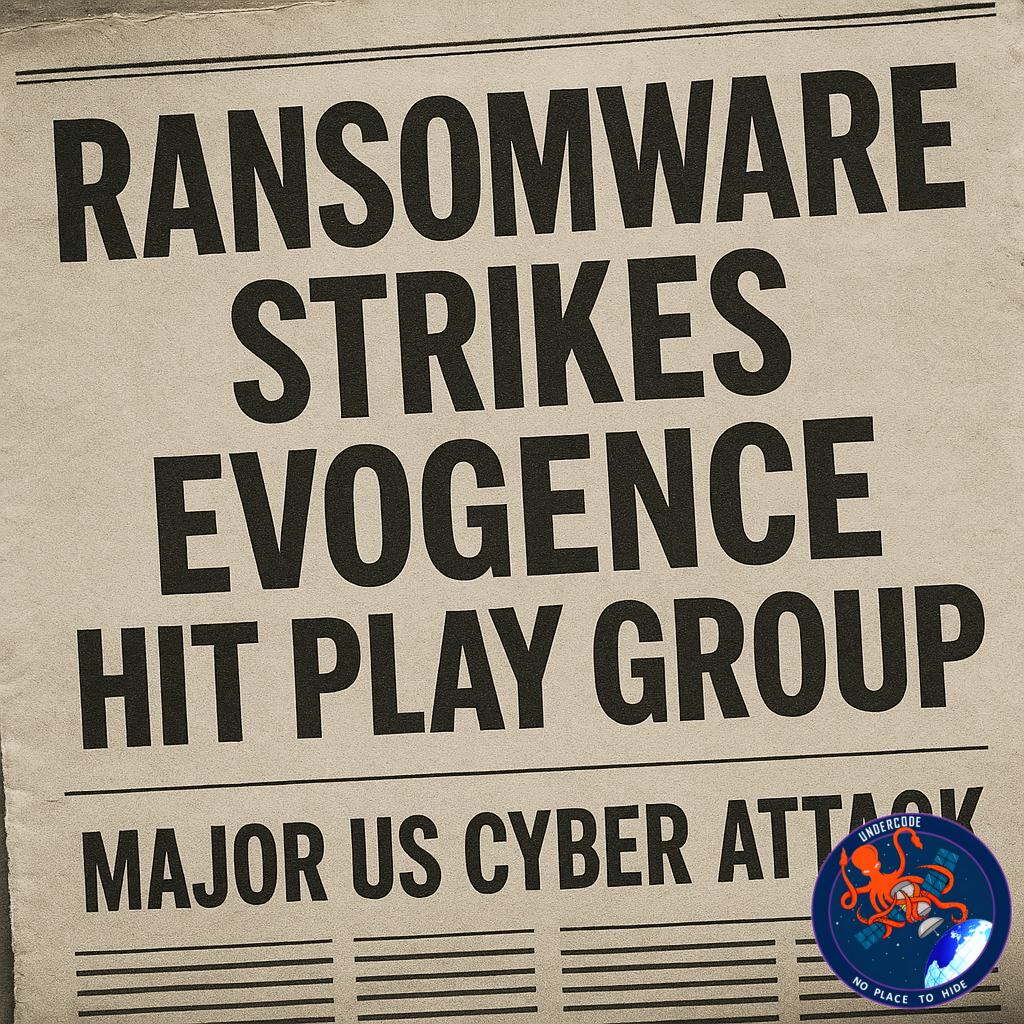
In a stark reminder of the growing cyber threat landscape, the US-based company Evogence has fallen victim to a sophisticated ransomware attack. The notorious ransomware group known as “Play” successfully infiltrated the company’s systems, encrypting critical data and issuing a ransom demand. This incident underscores the ongoing vulnerability of organizations to cybercriminals who exploit technological weaknesses for financial gain. As companies increasingly rely on digital infrastructure, the risk of ransomware attacks has escalated, placing sensitive data, operational continuity, and corporate reputations at serious risk.
The attack on Evogence, a firm operating in the United States, highlights both the audacity and sophistication of modern ransomware operations. While the group “Play” has been linked to previous breaches, this latest strike demonstrates an alarming trend: attackers are targeting highly sensitive business data that could cripple operations if access is not restored. Ransomware attacks typically involve encrypting files, threatening to leak data publicly, and demanding cryptocurrency payments to unlock systems. The financial, operational, and reputational stakes are immense, often forcing companies into difficult choices between paying ransoms and attempting complex system restorations.
Evogence’s breach serves as a cautionary tale for US businesses. Even with advanced cybersecurity measures, the evolving tactics of ransomware groups continue to expose weaknesses. Organizations are facing a dual challenge: preventing intrusions while also preparing for rapid response and recovery. Data encryption by attackers not only halts business operations but can also result in significant legal and regulatory repercussions, especially if personally identifiable information (PII) is compromised.
Beyond the immediate operational disruptions, this attack signals a broader trend in cybercrime. Ransomware groups are increasingly professionalized, operating like well-organized criminal enterprises with clear strategies, targeted campaigns, and sometimes even customer support for victims navigating payments. These groups often leverage phishing attacks, zero-day vulnerabilities, or social engineering tactics to gain initial access, then execute their encryption strategies with precision. As the cyber ecosystem grows more interconnected, vulnerabilities in one system can ripple through supply chains, impacting multiple organizations and industries simultaneously.
The Evogence incident also raises questions about corporate readiness and incident response planning. Companies that underestimate the risk of ransomware may find themselves scrambling to mitigate damage, restore operations, and engage law enforcement or cybersecurity specialists. Proactive measures—such as regular system backups, employee cybersecurity training, network segmentation, and advanced threat detection tools—are critical to minimizing the impact of such attacks. The cost of prevention is far lower than the expense of remediation, reputation repair, and potential regulatory fines.
Moreover, the geopolitical and economic context cannot be ignored. Many ransomware groups operate internationally, often from regions with limited law enforcement reach. This complicates efforts to pursue justice and recover lost data, creating an environment where cybercriminals can act with relative impunity. The continued prevalence of ransomware attacks reinforces the need for both national and corporate cybersecurity strategies, emphasizing collaboration, intelligence sharing, and proactive defense mechanisms.
What Undercode Say:
The Evogence breach is symptomatic of a larger systemic issue in cybersecurity: companies are underestimating the sophistication of modern cybercriminals. Ransomware attacks have evolved from opportunistic strikes to carefully planned campaigns, targeting critical business functions with precision. What makes groups like “Play” especially dangerous is their dual approach—they encrypt data to cripple operations while also threatening reputational harm through potential leaks. This “double leverage” strategy maximizes pressure on organizations, often forcing hasty ransom decisions.
In analyzing this case, it’s clear that the attack likely exploited a combination of social engineering, software vulnerabilities, and perhaps weak network segmentation. Many businesses still rely on perimeter defenses like firewalls and antivirus software, which are increasingly insufficient against multi-stage ransomware operations. The modern attacker bypasses these defenses through phishing, lateral movement across networks, and leveraging unpatched vulnerabilities. Evogence’s experience illustrates that no system is invulnerable; even mid-sized companies with security protocols in place are at risk if their defense layers are not integrated and regularly updated.
Furthermore, the psychological component of ransomware attacks cannot be overstated. Cybercriminals deliberately create urgency and fear, knowing decision-makers may pay ransoms to restore operations quickly. This pressure can lead to suboptimal choices, including paying attackers who then remain a latent threat, potentially returning later for additional demands. Organizations must develop a culture of resilience, emphasizing incident response readiness, clear communication channels, and regular crisis simulations to reduce panic-driven decisions.
Another critical takeaway is the necessity of threat intelligence and information sharing. Cybersecurity is no longer an isolated discipline; it demands cooperation across industries, governments, and cybersecurity firms. Early warning systems and collective analysis can help organizations identify emerging tactics and preemptively harden defenses. Evogence’s breach could serve as a case study, offering insights into attack vectors, malware behavior, and effective containment strategies.
Legal and regulatory dimensions also play a role. Companies facing data breaches may be obligated to notify affected parties, regulators, or shareholders. The financial and reputational consequences can far exceed the immediate ransom demand, highlighting the importance of comprehensive cyber insurance, compliance readiness, and transparent reporting. In the US, evolving cybersecurity legislation is placing additional responsibilities on businesses to secure sensitive data, making proactive measures not just a technical priority but a legal one.
Lastly, this attack reinforces the urgent need for an organizational mindset shift—from reactive cybersecurity to anticipatory defense. Continuous monitoring, layered security architecture, and employee education are foundational, but companies must also prepare for inevitable incidents. This includes automated backups, offline storage, segmented networks, and well-rehearsed recovery protocols. Investing in these areas is increasingly less optional and more a matter of corporate survival in the digital age.
Fact Checker Results:
✅ The ransomware group “Play” targeted Evogence in the US.
✅ Sensitive data was encrypted, and a ransom demand was issued.
❌ No evidence yet indicates that Evogence paid the ransom or that data has been leaked publicly.
Prediction:
💥 Ransomware attacks in the US will continue to rise, with attackers targeting mid-sized and large corporations alike. Companies with insufficient preparation may face repeated breaches. Organizations investing in layered cybersecurity measures, employee training, and rapid incident response will increasingly become the exception rather than the rule. Cybercriminals like “Play” will likely expand operations, exploiting emerging vulnerabilities in cloud infrastructure and supply chains.
If you want, I can also create a more engaging SEO-friendly version of this article with catchy subheadings, LSI keywords, and a storytelling angle that would rank high for cybersecurity news. Do you want me to do that next?
🕵️📝✔️Let’s dive deep and fact‑check.
References:
Reported By: x.com
Extra Source Hub (Possible Sources for article):
https://www.digitaltrends.com
Wikipedia
OpenAi & Undercode AI
Image Source:
Unsplash
Undercode AI DI v2
Bing
🔐JOIN OUR CYBER WORLD [ CVE News • HackMonitor • UndercodeNews ]
📢 Follow UndercodeNews & Stay Tuned:
𝕏 formerly Twitter 🐦 | @ Threads | 🔗 Linkedin | 🦋BlueSky | 🐘Mastodon


