
Listen to this Post
🎯 Introduction
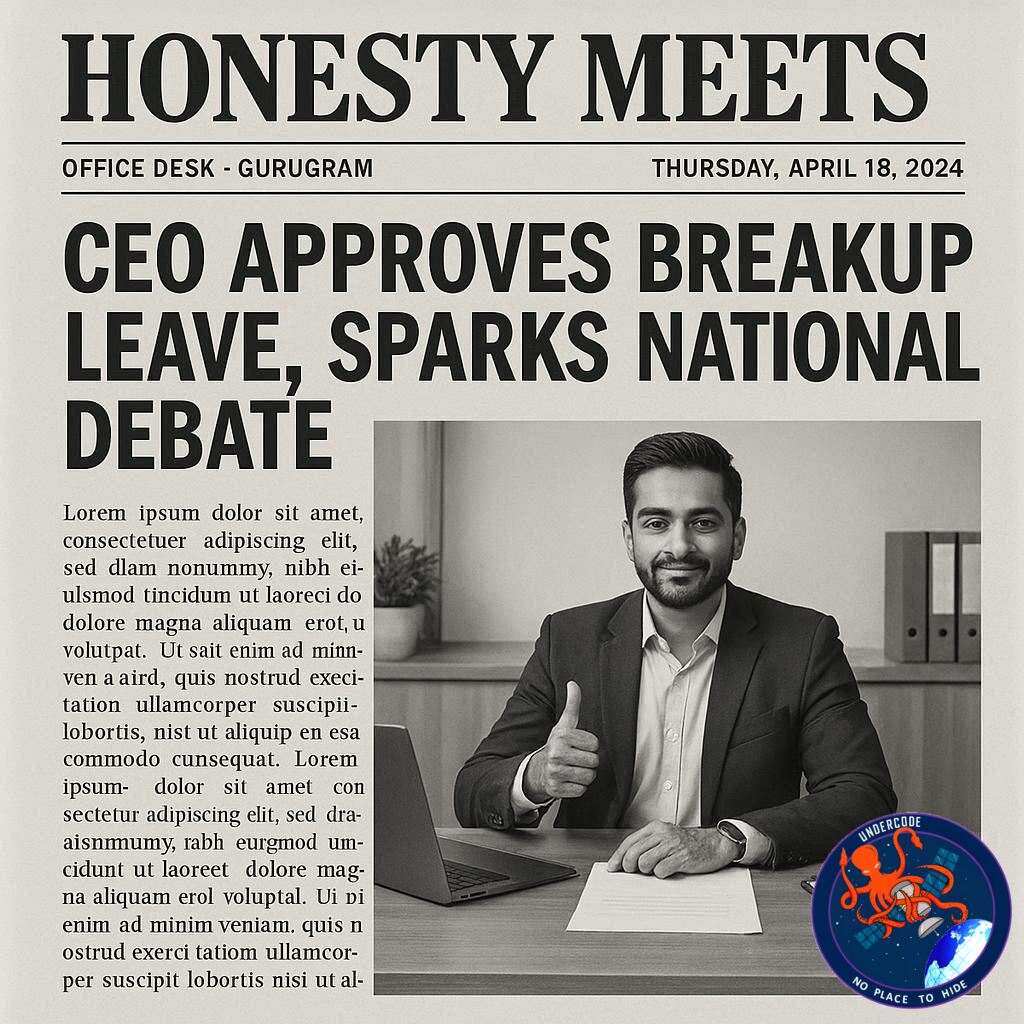
In a world where professional decorum often demands restraint and formality, one Gurugram startup shattered conventions with a single email. When a young employee asked for leave after a breakup, their CEO not only approved it but also shared the request publicly—calling it the “most honest leave application” he had ever seen. What followed was a social media storm that exposed a new reality of modern work culture: emotional authenticity is becoming just as important as productivity.
🧩 A Viral Moment of Raw Honesty
It began as an ordinary workplace exchange. A Knot Dating employee sent a straightforward email to the company’s management:
“I recently had a breakup and haven’t been able to focus on work. I need a short break. I’m working from home today.”
No pretense, no corporate phrasing—just a candid confession. The employee asked for leave from October 28 to November 8, citing emotional distress as the reason. Jasveer Singh, the CEO and co-founder of Knot Dating, didn’t question it. Instead, he approved the request instantly and later shared it on social media with the caption:
“Gen Z doesn’t do filters. The most honest leave application I’ve ever received.”
What Singh didn’t expect was for his post to explode online. Within hours, his screenshot amassed thousands of likes, comments, and shares across LinkedIn, Instagram, and X (formerly Twitter). Hashtags like BreakupLeave and GenZAtWork began trending as people debated what this moment said about today’s workplace culture.
💬 A Shift in Corporate Culture
The viral exchange struck a nerve. Many applauded both the CEO and the employee for embracing emotional transparency. They argued that mental health is a legitimate reason for leave, just like physical illness. Others, however, worried it set a dangerous precedent—blurring the line between personal and professional life.
Still, the post became more than a viral anecdote. It became a case study in how workplaces are evolving, particularly among startups that cater to Gen Z employees. Emotional honesty, once taboo, is being rebranded as courage. For younger professionals, acknowledging burnout, anxiety, or heartbreak isn’t unprofessional—it’s human.
🧠 The Meaning Behind “Breakup Leave”
At its core, the incident revealed a deep cultural shift. In earlier generations, employees were expected to separate emotion from work, presenting an image of resilience regardless of personal circumstances. But as conversations around mental health grow louder, many modern leaders are rethinking that expectation.
By granting this “breakup leave,” Jasveer Singh didn’t just show compassion—he symbolized a new era of empathetic leadership. His decision suggested that productivity isn’t simply about hours worked but about the emotional stability that allows people to function effectively.
🌐 Social Media Turns It into a Movement
Within days, the story flooded social platforms. Users shared their own experiences of struggling through heartbreak while maintaining professional obligations. Some even suggested that every company should allow “emotional recovery leave.” Others mocked the idea, calling it a sign of “soft corporate culture.”
Regardless of stance, one fact was undeniable: the conversation had shifted from one company’s email to a broader societal reflection on work, wellness, and emotional honesty.
What Undercode Say:
This viral story isn’t just about one employee’s heartbreak. It’s about the collision of two worlds—the traditional workplace and the emotionally transparent digital generation.
Gen Z employees have grown up in an environment where emotional expression is not weakness but authenticity. They post their vulnerabilities online, discuss mental health openly, and value employers who understand the human side of work. The Gurugram “breakup leave” symbolizes a generation that refuses to hide its struggles behind formal excuses.
For CEOs like Jasveer Singh, this incident offers a rare leadership lesson. Emotional intelligence is no longer a soft skill—it’s a strategic one. By validating the employee’s feelings instead of dismissing them, Singh aligned his leadership style with the values of empathy, inclusivity, and authenticity. This builds trust—a commodity far more valuable than corporate compliance.
From an HR perspective, the event also challenges outdated policies that treat emotional distress as invisible. Mental health leave, bereavement days, and flexible work arrangements are now central to employee retention. Ignoring emotional realities can drive disengagement, burnout, or quiet quitting.
Yet, this openness comes with risk. Oversharing personal struggles can blur boundaries and invite judgment. Not every manager is equipped to handle such honesty, and not every workplace fosters safety for it. That’s where leadership balance comes in: embracing emotional truth while maintaining professional clarity.
In a deeper sense, this story isn’t about a breakup—it’s about belonging. Employees today want workplaces that feel human, not mechanical. They want to be seen, not just managed. The “breakup leave” post, while lighthearted on the surface, underscores how work culture is evolving from rigidity to relatability.
Traditionalists may dismiss it as oversensitivity, but the world of work is being redesigned by empathy, not ego. In the coming years, we’ll see more companies revising HR frameworks to include emotional wellness policies—because humanity, ironically, is becoming the ultimate productivity tool.
🔍 Fact Checker Results
✅ Jasveer Singh is the CEO and co-founder of Knot Dating, based in Gurugram.
✅ The “breakup leave” email and response were posted by Singh on LinkedIn and other platforms.
✅ Hashtags BreakupLeave and GenZAtWork trended following the viral post.
📊 Prediction
💡 The “breakup leave” episode marks the beginning of a softer, more emotionally intelligent workplace culture. As Gen Z dominates the workforce, empathy will become a standard managerial skill. Future offices may integrate short-term “mental reset leaves” as part of regular HR policy. ❤️🩹 Companies that embrace this shift early will not only retain happier employees but also attract the best talent seeking workplaces that value humanity over hierarchy.
🕵️📝✔️Let’s dive deep and fact‑check.
References:
Reported By: timesofindia.indiatimes.com
Extra Source Hub (Possible Sources for article):
https://www.linkedin.com
Wikipedia
OpenAi & Undercode AI
Image Source:
Unsplash
Undercode AI DI v2
Bing
🔐JOIN OUR CYBER WORLD [ CVE News • HackMonitor • UndercodeNews ]
📢 Follow UndercodeNews & Stay Tuned:
𝕏 formerly Twitter 🐦 | @ Threads | 🔗 Linkedin | 🦋BlueSky | 🐘Mastodon


