
Listen to this Post
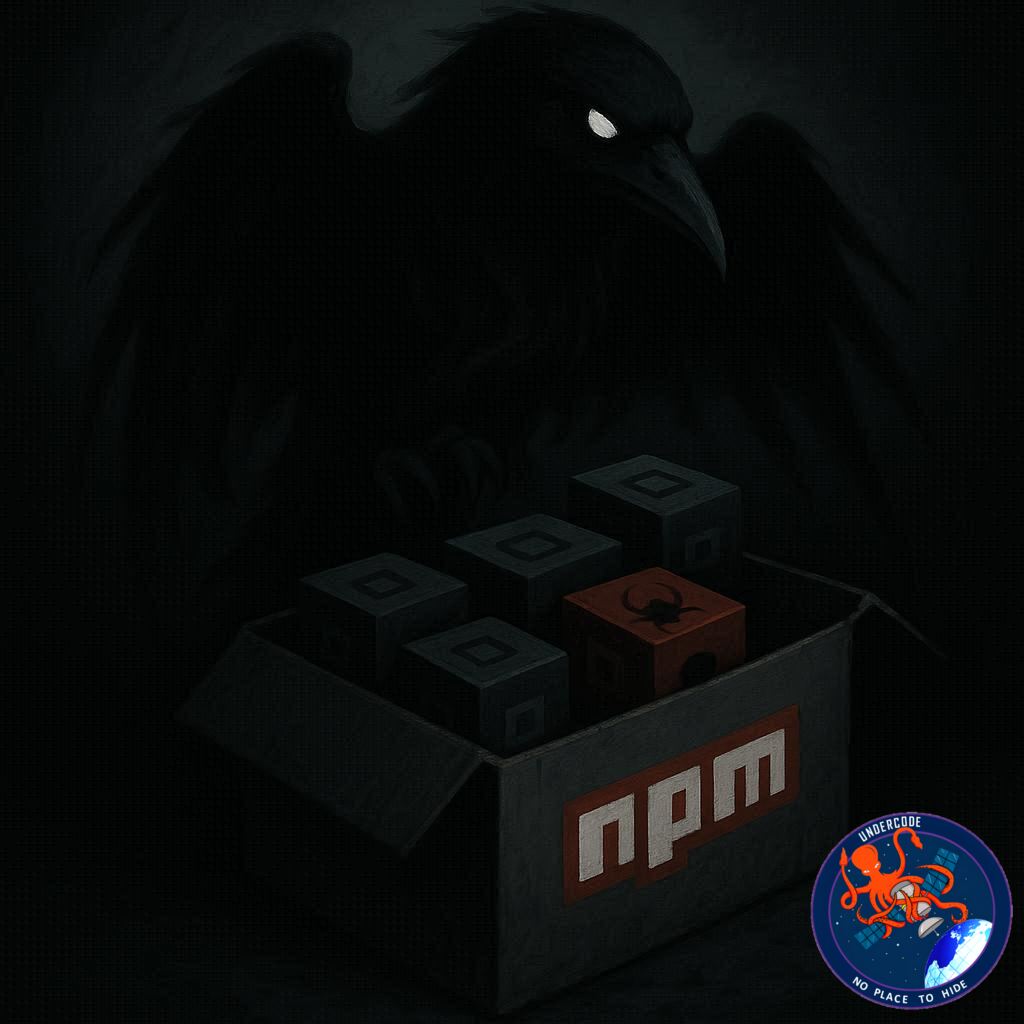
The world of software development is under a new kind of attack. Malicious actors are exploiting hidden vulnerabilities in widely used npm packages, putting developers and organizations at serious risk. The “PhantomRaven” campaign has exposed a sophisticated method of delivering malware through seemingly benign packages, quietly stealing credentials, and evading traditional security measures. With over 86,000 downloads across 126 compromised packages, the threat is real and growing.
Unveiling the PhantomRaven Campaign
In a recent report by Koi Security, researchers uncovered the PhantomRaven campaign—a coordinated attack where 126 npm packages carried hidden malicious code designed to steal sensitive developer data, including npm tokens and GitHub credentials. Unlike typical malware, these packages appeared clean at first glance because the dangerous code was concealed in “invisible dependencies.” When developers install these packages, the hidden payload is fetched from attacker-controlled servers, not the official npm registry, making detection by standard security tools extremely difficult.
The technique, called Remote Dynamic Dependencies (RDD), leverages a little-known feature in npm that allows URLs to serve as dependency specifiers. This means that automated security scanners often see these packages as having no dependencies at all. In reality, the installation process quietly retrieves the malicious code from external servers, activating scripts that compromise systems in seconds. By targeting specific IP addresses, PhantomRaven ensures that security researchers and corporate environments receive different payloads, adding a layer of sophistication to the attack.
How Invisible Dependencies Work
The PhantomRaven attack hinges on the use of invisible dependencies. When a developer installs an npm package containing RDDs, the package automatically fetches additional code from an external source, bypassing traditional npm registry checks. The preinstall scripts run without user consent or notification, making detection nearly impossible through static analysis tools alone.
Koi Security’s researchers emphasized that dynamic code analysis is crucial because the malicious payload exists entirely on attacker-controlled servers. Traditional dependency scanners relying on registry metadata fail to detect these threats. This blind spot has been exploited repeatedly in the campaign, affecting both individual developers and enterprise environments.
AI-Assisted “Slopsquatting”
PhantomRaven also utilizes AI-generated techniques to increase its reach. The attackers deployed slopsquatting, a method that relies on generative AI models like ChatGPT or GitHub Copilot to suggest legitimate-sounding but fake package names. Developers, trusting these AI recommendations, inadvertently install malicious packages. Unlike traditional typosquatting, slopsquatting uses names that are realistic and plausible, avoiding suspicion while still leading to compromised systems.
This combination of RDD and AI-driven slopsquatting allows PhantomRaven actors to bypass automated security checks and exploit the growing reliance on AI in coding environments, highlighting a new frontier of risk for developers worldwide.
Detection and Mitigation Efforts
Koi Security first detected PhantomRaven through behavioral monitoring, noticing unusual external network requests during package installation. The suspicious domain, packages.storeartifact.com, was traced to the campaign, which began in August. Although npm’s security team is actively removing the malicious packages, many remain live, leaving developers vulnerable.
Security teams are advised to review all npm dependencies carefully, inspect network requests, and verify package integrity. Koi Security also published a list of Indicators of Compromise (IOC), including malicious package names, URLs, and IP addresses, enabling proactive defense measures.
What Undercode Say:
PhantomRaven represents a paradigm shift in software supply chain attacks. By combining RDDs and AI-driven slopsquatting, threat actors have found a method to bypass conventional security mechanisms entirely. This attack exploits both the structural blind spots of npm package management and the growing dependence on AI for code suggestions.
From an enterprise perspective, the implications are profound. Organizations often rely on static code scanning and registry metadata verification, neither of which are effective against dynamic external dependencies. This means that even well-secured CI/CD pipelines are vulnerable. The campaign highlights an urgent need for behavioral and dynamic analysis tools that monitor package activity post-installation rather than relying solely on pre-install verification.
Moreover, the integration of generative AI into developer workflows introduces new risks that have been largely underestimated. AI models are designed to suggest solutions based on patterns, not verify authenticity. PhantomRaven exploits this limitation, generating package names that look legitimate and encouraging their installation. As AI adoption grows, these attacks could become more prevalent, targeting developers’ trust in automated systems.
The sophistication of PhantomRaven’s IP-targeted payloads also underscores a trend toward precision attacks in the open-source ecosystem. Threat actors are no longer indiscriminately distributing malware—they are tailoring attacks based on environment and user profile, which makes detection and mitigation far more challenging. This raises questions about the adequacy of current npm security policies and the need for proactive, real-time monitoring of dependency behavior.
For developers, the campaign serves as a reminder to scrutinize every dependency, question AI recommendations, and implement runtime security measures that track network activity and script execution. For security researchers, it emphasizes the importance of hybrid approaches combining static and dynamic analysis, as well as cross-referencing installation behaviors across multiple environments to detect anomalies.
Long-term, PhantomRaven signals a potential escalation in open-source attacks. As the ecosystem grows, the incentive for threat actors to exploit blind spots will increase, particularly as organizations accelerate AI adoption without fully understanding its security implications. Vigilance, combined with better tooling and education, will be essential to defend against these sophisticated supply chain attacks.
Fact Checker Results:
✅ PhantomRaven campaign identified 126 malicious npm packages.
✅ Over 86,000 downloads of these packages confirmed.
❌ Standard static analysis tools alone are insufficient for detecting RDD-based attacks.
Prediction:
📊 The rise of AI-assisted attacks in package repositories will accelerate, with slopsquatting becoming more widespread.
📊 Security strategies will shift toward dynamic and behavioral analysis, emphasizing runtime monitoring of dependencies.
📊 Open-source ecosystems may implement stricter vetting of external dependencies and automated AI-generated package names to prevent similar campaigns.
🕵️📝✔️Let’s dive deep and fact‑check.
References:
Reported By: www.darkreading.com
Extra Source Hub (Possible Sources for article):
https://www.linkedin.com
Wikipedia
OpenAi & Undercode AI
Image Source:
Unsplash
Undercode AI DI v2
Bing
🔐JOIN OUR CYBER WORLD [ CVE News • HackMonitor • UndercodeNews ]
📢 Follow UndercodeNews & Stay Tuned:
𝕏 formerly Twitter 🐦 | @ Threads | 🔗 Linkedin | 🦋BlueSky | 🐘Mastodon


