
Listen to this Post
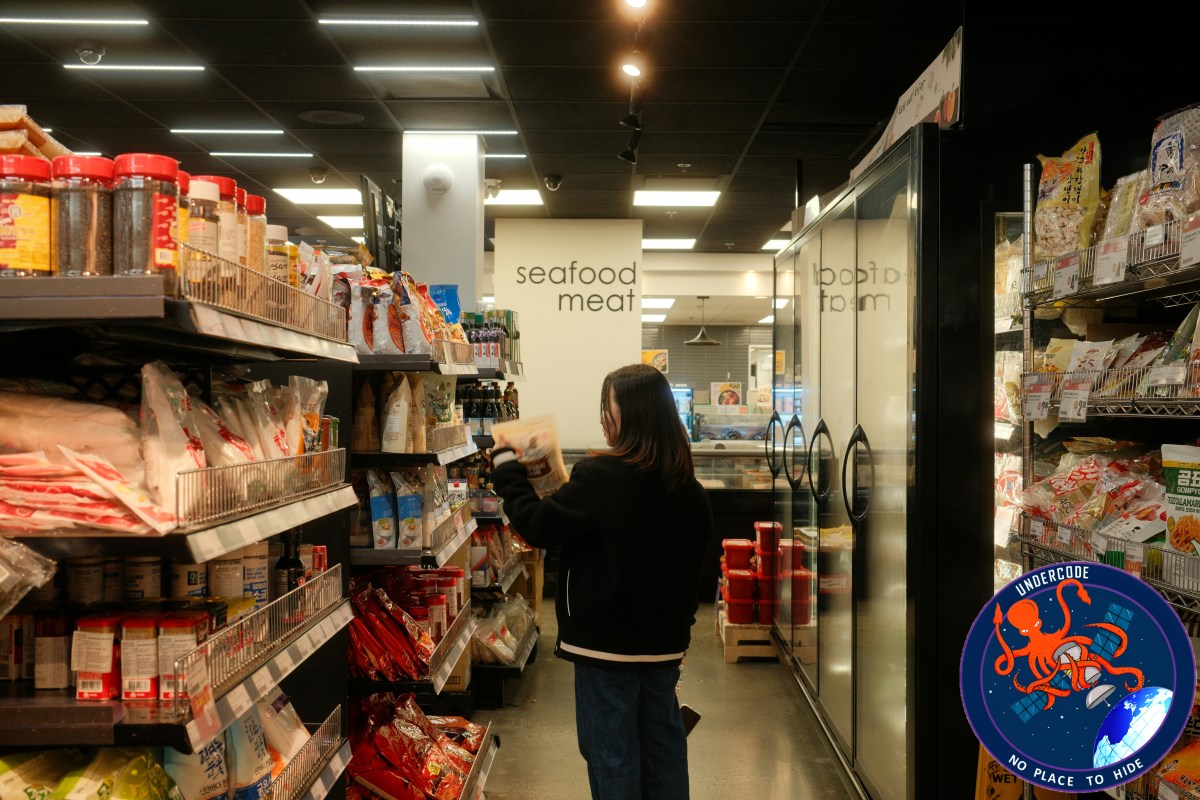
Amazon is testing a bold new grocery concept at a Whole Foods Market near Philadelphia, aiming to merge the convenience of its household brands with the organic, high-quality offerings of Whole Foods. This innovative approach leverages robotics and a micro-fulfillment system to deliver groceries faster, blurring the line between traditional in-store shopping and online convenience. For consumers, this could mean a smoother, more integrated shopping experience where both natural and everyday products are just a scan away.
Revolutionizing the Grocery Experience
Amazon’s new concept store in Plymouth Meeting, Pennsylvania, features a 10,000-square-foot micro-fulfillment center powered by Silicon Valley startup Fulfil. Behind the scenes, this automated hub can access over 12,000 products, from popular national brands like Tide and Pepperidge Farm to everyday household essentials. Shoppers in the store can pick out Whole Foods groceries and order Amazon-branded products via QR codes or the Amazon app. These items are then prepared for pickup at the Amazon Pickup & Returns Counter, often within minutes.
For online customers, the system consolidates both Whole Foods and Amazon items into a single cart for home delivery or curbside pickup, creating a seamless hybrid shopping experience. This approach reflects Amazon’s broader ambition to refine its grocery strategy, even as its grocery sales surpass $100 billion annually.
A History of Grocery Innovation
Amazon has been experimenting with grocery retail for years, from cashierless Amazon Go stores to full-scale Amazon Fresh supermarkets, and its 2017 acquisition of Whole Foods. The company has strategically closed underperforming Fresh locations and scaled back certain Just Walk Out checkout technologies while licensing them to third-party retailers. This robot-powered store is the latest evolution in Amazon’s approach, combining automation with in-store experiences to meet modern consumer demands.
Neil Saunders, managing director at GlobalData, notes that while some brand purists may resist, the concept aligns with customer demand. The goal is clear: capture more consumer spending without compromising the trusted Whole Foods brand. Amazon also plans to refine and expand this model to additional stores, signaling a long-term shift in how grocery shopping might operate.
What Undercode Say:
Amazon’s “store within a store” initiative is a calculated effort to bridge two shopping worlds—organic groceries and mainstream household products—while leaning heavily on automation. This strategy demonstrates the company’s understanding that consumer expectations are evolving: speed, convenience, and integration now define grocery shopping success. By placing a micro-fulfillment center inside Whole Foods, Amazon reduces the friction of separate online and offline purchases, effectively turning physical stores into logistics hubs.
This approach may also serve as a hedge against declining foot traffic in traditional grocery stores, particularly in competitive markets. The QR code and app-based ordering system reflects Amazon’s ability to gamify the in-store experience, allowing it to capture purchase data in real time while subtly encouraging app engagement.
From a branding perspective, the company walks a delicate line. Whole Foods has long been associated with high-quality, organic products, whereas Amazon’s household brands are perceived as mass-market staples. Combining these two identities risks alienating purist shoppers but offers the potential to expand Whole Foods’ appeal to a broader audience. Strategically, it allows Amazon to tap into its existing supply chain efficiencies while testing logistics models that could eventually scale nationwide.
Moreover, integrating robotics and automation in-store signals Amazon’s long-term vision: grocery stores are not just retail spaces but operational nodes in a wider e-commerce network. This could reshape staffing needs, store layout designs, and inventory management practices across the retail industry. If successful, competitors may be forced to innovate rapidly or risk losing market share to this hybrid model.
The potential challenges include ensuring reliability and speed without disrupting the in-store experience, maintaining product quality, and managing consumer perception around blending everyday and premium offerings. Success here could redefine expectations for grocery delivery and pickup, setting new standards for convenience and integration.
Fact Checker Results:
✅ Amazon has launched a new robot-powered “store within a store” in Plymouth Meeting, Pennsylvania.
✅ The store integrates over 12,000 products from both Whole Foods and Amazon household brands.
✅ The system allows for quick in-store pickup and combined online cart delivery.
Prediction:
📊 Amazon’s hybrid grocery model is likely to expand to more locations within the next two years, transforming the traditional supermarket landscape.
📊 Competitors may adopt similar in-store fulfillment strategies to maintain relevance, accelerating innovation across the grocery sector.
📊 Consumer expectations for seamless integration between online and offline grocery shopping will increase, pushing more retailers toward automated, app-based solutions.
🕵️📝✔️Let’s dive deep and fact‑check.
References:
Reported By: axioscom_1762424456
Extra Source Hub (Possible Sources for article):
https://www.reddit.com/r/AskReddit
Wikipedia
OpenAi & Undercode AI
Image Source:
Unsplash
Undercode AI DI v2
Bing
🔐JOIN OUR CYBER WORLD [ CVE News • HackMonitor • UndercodeNews ]
📢 Follow UndercodeNews & Stay Tuned:
𝕏 formerly Twitter 🐦 | @ Threads | 🔗 Linkedin | 🦋BlueSky | 🐘Mastodon


