
Listen to this Post
Introduction
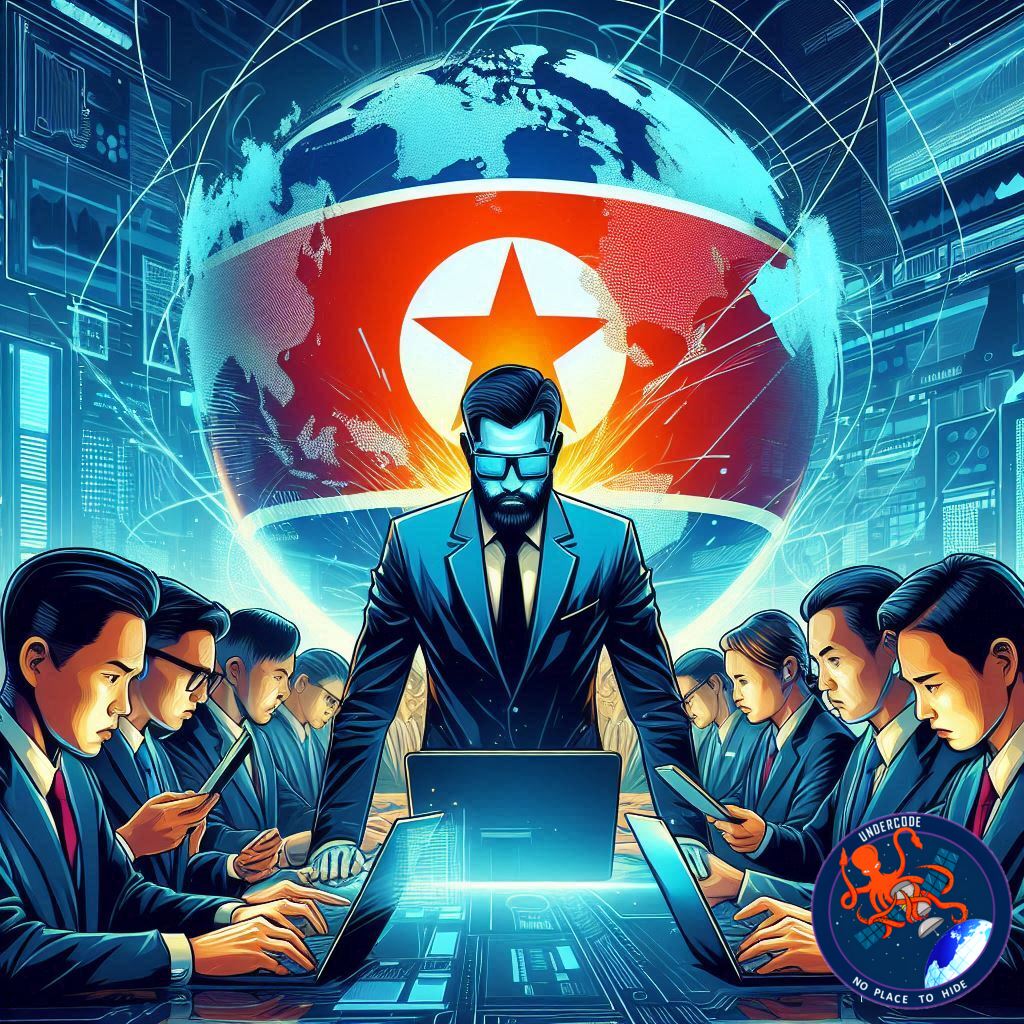
A bold cyber threat is unfolding behind the scenes of recruitment platforms. A campaign linked to Democratic People’s Republic of Korea (DPRK) is exploiting fake job opportunities at what appear to be elite AI and cryptocurrency firms. Its goal is not the job itself—but to deploy multi‑stage malware via clipboard hijacking and sophisticated interview platforms built with modern web frameworks. Recruiters advertize roles, candidates engage, then the trap is sprung. What appears to be a promising career move becomes a portal for espionage, data theft and infiltration.
Summary
Cybersecurity researchers have identified a DPRK‑linked operation that uses highly realistic fake job sites, mimicking well‑known AI and crypto companies, to lure U.S. tech professionals. These sites are built using frameworks like React and Next.js, giving them a polished front that hides malicious intent. Applicants go through what seems like a legitimate recruitment process but are instead subjected to clipboard‑hijacking malware that steals credentials, cryptocurrency wallet contents and other sensitive data.
The campaign is part of a broader evolution in DPRK cyber‑operations: previously they focused on job‑listing fraud or fake employment of remote workers, but now they’re blending technical sophistication, modern web stacks and high‑stakes targets. Analysts observed malware families such as BeaverTail and InvisibleFerret being deployed under the guise of job‑assessment tools. The infrastructure changes are subtle but purposeful: fake registration of companies, posing as recruiters, GitHub repos with minimal legitimate content, and social engineering frameworks that feel familiar to developers seeking roles.
What makes this particular wave especially dangerous is the clipboard‑hijacking vector that activates once the victim is engaged in the interview or onboarding process. It means the attacker doesn’t just get a foothold in the endpoint—they get access to what the victim copies, such as credentials, keys, or wallet addresses. The choice of targets—tech talent in AI and crypto—indicates that the threat actor is after high‑value data and possibly ready to exploit cloud access, development environments or blockchain assets.
In short: job offer → interview & assessment → malware installation → data exfiltration & credential theft. The host environment—React/Next.js platforms built to look like real firms—adds veneer of legitimacy. For U.S. tech talent enticed by remote crypto/AI job opportunities, the risk is real: what seems like a smart career move might be a trap orchestrated by an advanced persistent threat backed by a sanctioned regime.
What Undercode Say:
The Recruitment Trojan: How the Scheme Evolves
This campaign differs from older ones in that it is not just about impersonating companies—it’s about emulating development workflows. By building platforms in React/Next.js, the threat actor signals to developers: “We are a tech‑savvy firm you might want to join.” That technical fluency lowers suspicion. And for developers reading React job listings, the familiarity is comfort. The campaign is cleverly engineered to exploit trust in the platform stack.
Clipboard Hijacking: Why It Matters
Clipboard hijacking is a pivot away from classic phishing or malicious attachments. Instead of waiting for a user to click a link in an email, the attacker exploits what a trusted user does: copy/paste. It is friction‑less yet enormously powerful. Credentials, session tokens, crypto wallet addresses—all may flow via the clipboard. And by hijacking that channel, the malware can grab high‑value assets stealthily.
AI & Crypto Talent: A Premium Target
The choice of targeting AI and crypto firms is not accidental. Crypto wallets are digital gold mines for threat actors. AI dev environments often access platforms, code repos, cloud SDKs and hardware resources. A compromise here can lead not just to data theft but to infrastructure access, mining, lateral movement. DPRK actors have shown they are diversifying away from pure espionage into monetisation schemes. The fusion of career fraud with technical malware amplifies their reach.
Operational Sophistication, Yet Strategic Simplicity
While the platforms appear sophisticated, the underlying model remains relatively streamlined: lure with job, install malware, exfiltrate data. Reports suggest these DPRK actors—such as those behind the Contagious Interview cluster—monitor CTI platforms to evaluate their infrastructure exposure.
SentinelOne
+2
www.hoganlovells.com
+2
They score high on number of engagements, albeit not always on OPSEC finesse. This makes them scary because even flawed campaigns work if the victim cohort is large and targets are high‑value.
Curriculum Vitae and Persona Engineering: A New Front
Tech platforms, job boards, GitHub repos and even social media profiles are weaponised. The attacker’s fake recruiter identity may have minimal publicly traceable history, but enough to pass superficial vetting. Fake resumes, linked‑in profiles, front‑companies all blur lines. According to SpyCloud research, the DPRK schemes often involve stolen identities, multiple personas and even self‑infection via malware logs used to track forensic trails.
SpyCloud
+1
Implications for U.S. Tech Talent and Hiring Practices
For individual tech professionals in the U.S., this means every job offer—even from a seemingly legit startup in AI/crypto—merits detective mindset. Scrutinise domain registration, source code footprints, recruiter history, code assessment platforms, and part of the flow: why am I asked to download a “driver update” or “plugin” for the interview? For organisations, the risk is deeper: a bubbled‑in remote hire could open the door to credential harvesting, wallet compromise, lateral movement and supply‑chain infiltration.
The Revenue‑Espionage Hybrid Model
Unlike classic state espionage, where access is the goal, here we see a hybrid: monetisation (crypto theft, remote salary funneling) plus espionage (data theft, infrastructure access). This dual model suits DPRK’s strategic posture—they need foreign currency and intelligence gains. The job‑scam approach is perfect for both. It mimics freelance/remote job offers, which flourished during the pandemic, making the deception even more credible.
Frameworks and Architectures Matter
Using modern front‑end frameworks such as React and Next.js isn’t just cosmetic—it’s cultural. Developers familiar with those stacks see the UX, the layout and the flow as real. It lowers suspicion. This is significant: attackers are meeting victims at their tech fluency level. It signals that threat actors are evolving from commodity phishing to context‑aware deception.
Risk of Future Evolutions: AI Personas & Deepfakes
Given the trajectory, expect future campaigns to employ AI‑generated recruiter personas, interview bots, embedded code assessments that quietly install malware. We already see AI tools helping generate fake job applicant personas (for DPRK workers posing as employees) but the reverse—AI recruiters posing to install malware—is a logical next step. Defenders need to account for this leap.
TechRadar
+1
What Developers and Employers Should Do
Developers: If you’re sent a link to download a “virtual camera driver” or “zoom plugin” as part of an interview, treat it as suspect. Ask for company verification, domain history, open‑source code check of the platform, and vendor credentials.
Employers: Strengthen remote‑hire vetting—especially for roles in AI/crypto. Cross‑check resumes, recruiter identities, and insist on zero install of unknown binaries during interviews.
HR/IT teams: Educate staff about this recruitment‑malware vector. Ensure that any endpoint used for interview is isolated from production systems; enforce least‑privilege and strong monitoring.
Fact Checker Results
✅ The campaign uses fake job offers in AI/crypto firms to target U.S. tech talent.
✅ Malware families such as BeaverTail and InvisibleFerret have been deployed under these recruitment pretenses.
Unit 42
+1
❌ There is no confirmed public data yet showing this exact Clipboard‑Hijack vector via React/Next‑site (though patterns strongly suggest it) — claim needs further public disclosure.
Prediction
Expect this trend to escalate: over the next 12 months we will see more remote‑job scams that incorporate AI‑driven interview bots, AI‑generated recruiter identities and real‑time code‑assessment platforms that deliver malware post‑interaction. Tech talent in AI and blockchain sectors will be disproportionately targeted. Under‑code‑aware organisations will pivot to hardened vetting of remote hires and treat recruitment platforms as threat surfaces in their cybersecurity posture.
🕵️📝✔️Let’s dive deep and fact‑check.
References:
Reported By: x.com
Extra Source Hub (Possible Sources for article):
https://www.linkedin.com
Wikipedia
OpenAi & Undercode AI
Image Source:
Unsplash
Undercode AI DI v2
Bing
🔐JOIN OUR CYBER WORLD [ CVE News • HackMonitor • UndercodeNews ]
📢 Follow UndercodeNews & Stay Tuned:
𝕏 formerly Twitter 🐦 | @ Threads | 🔗 Linkedin | 🦋BlueSky | 🐘Mastodon


