
Listen to this Post
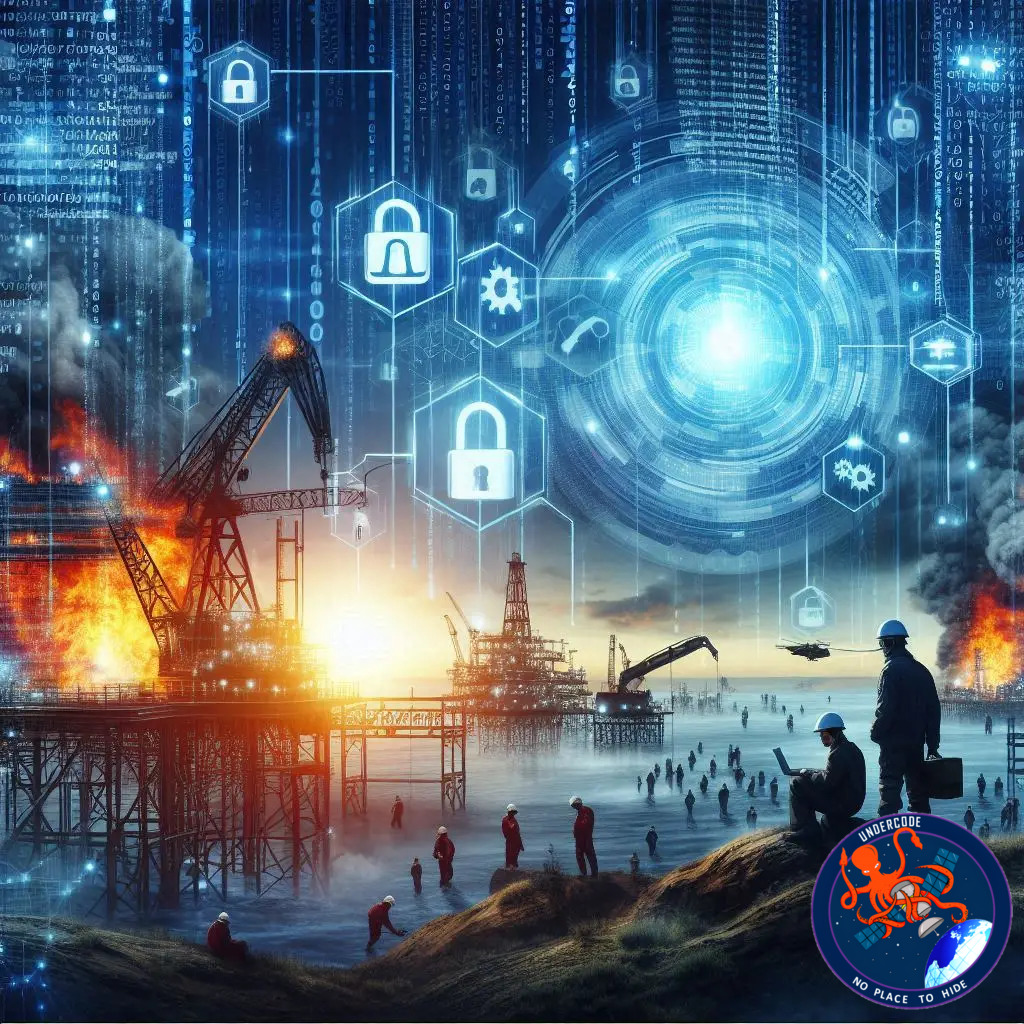
Introduction: Rising Cyber Threats in Critical Industries
In an era where cyberattacks are escalating in both frequency and sophistication, the energy sector has emerged as a prime target. On November 20, 2025, a U.S.-based oilfield services company, SAExploration, fell victim to a ransomware attack orchestrated by the notorious hacking group known as CoinbaseCartel. This incident underscores the increasing vulnerability of critical infrastructure companies to cybercrime and highlights the urgent need for robust cybersecurity strategies in sectors handling sensitive data and logistics operations.
The Attack on SAExploration
SAExploration, specializing in seismic data acquisition and logistics for oilfield operations, became the latest victim of ransomware targeting the United States’ energy sector. According to cybersecurity reports, CoinbaseCartel gained unauthorized access to the company’s systems, encrypting vital operational and client data. While the full scope of the breach is still under investigation, preliminary indications suggest potential disruptions in project timelines and sensitive data exposure. The attack was discovered on November 20, 2025, triggering an immediate response from the company’s IT and cybersecurity teams.
Impact on Operations and Data Security
The ransomware incident has raised concerns over operational continuity. SAExploration relies heavily on digital infrastructure to manage seismic data, logistics planning, and client communications. Disruption to these systems can result in delays in oilfield projects, financial losses, and reputational damage. Moreover, the exposure of proprietary seismic data could have far-reaching implications for both clients and the company, potentially affecting competitive positioning and regulatory compliance.
CoinbaseCartel: A Rising Cyber Threat
CoinbaseCartel has been identified as an aggressive ransomware group known for targeting high-value industrial and technology companies. Their operations typically involve sophisticated encryption techniques and demands for substantial ransoms in cryptocurrency. Analysts note that the group often leverages social engineering, phishing, and zero-day exploits to infiltrate networks, making detection and prevention increasingly challenging for targeted organizations.
Immediate Response Measures
Following the discovery, SAExploration implemented emergency protocols to contain the breach. This included isolating affected systems, engaging external cybersecurity consultants, and notifying relevant stakeholders. Authorities and cybersecurity firms are now collaborating to investigate the source, scope, and methods used in the attack. The company has stressed that restoring operations and safeguarding client data remains the top priority.
Potential Industry-Wide Implications
The attack on SAExploration signals a troubling trend for the oilfield services sector and broader energy industry. As operations become more digitized and data-centric, companies face heightened risks from ransomware and cyber espionage. Experts warn that failure to invest in proactive cybersecurity measures could result in significant financial, operational, and legal repercussions, emphasizing the need for industry-wide awareness and resilience strategies.
What Undercode Say:
This ransomware incident highlights the fragility of digital infrastructure in critical sectors such as oilfield services. SAExploration’s reliance on seismic data and logistics systems exposes it to threats that extend beyond operational downtime to the potential leakage of commercially sensitive information. CoinbaseCartel’s involvement demonstrates that organized cybercriminal groups are increasingly targeting companies where disruption can yield maximum leverage for ransom payments.
It is crucial to note that ransomware attacks are rarely opportunistic in such contexts; they are meticulously planned. Attackers often study network architecture, identify weaknesses, and time intrusions to maximize disruption. SAExploration’s experience illustrates the consequences of inadequate segmentation, delayed patch management, and insufficient employee cybersecurity training.
Moreover, the geopolitical context cannot be ignored. Oilfield services form part of the energy supply chain, a sector often targeted by both financially motivated groups and state-backed actors. A breach affecting seismic data or logistics planning could impact not just individual companies but regional energy production schedules. This elevates the incident from a company-specific problem to a potential systemic risk.
Investments in cyber resilience—such as advanced threat detection, behavioral analytics, and zero-trust network architectures—are no longer optional. Companies like SAExploration must also engage in continuous tabletop exercises and scenario planning to mitigate ransomware threats. Transparency with clients and regulators is equally vital to maintain trust and reduce reputational damage.
Furthermore, the attack raises questions about the insurance landscape. Cyber insurance claims are becoming more frequent, but payouts are often complicated by regulatory requirements and attribution challenges. SAExploration’s response may influence how insurers assess risk and structure coverage for high-value energy sector clients.
The human element is equally important. Employee awareness programs, phishing simulations, and access control policies can drastically reduce the likelihood of successful ransomware penetration. SAExploration must evaluate whether staff training protocols were sufficient and how future programs can reduce vulnerability.
In the broader context, this incident could serve as a case study for energy and industrial companies worldwide. It reinforces that cybersecurity is not just an IT concern but a board-level strategic priority. The attack also emphasizes that proactive investment in security measures is less costly than reactive remediation after a breach, especially when operational downtime and sensitive data exposure are involved.
Finally, collaboration among industry peers, cybersecurity vendors, and governmental agencies is crucial. Real-time intelligence sharing and joint defensive exercises could deter or mitigate future attacks. SAExploration’s experience may catalyze stronger partnerships aimed at safeguarding critical energy infrastructure from ransomware and other cyber threats.
Fact Checker Results:
✅ Ransomware attack confirmed on November 20, 2025.
✅ CoinbaseCartel identified as responsible party.
❌ Full extent of data exposure and operational impact remains unclear.
Prediction:
Given the increasing sophistication of groups like CoinbaseCartel, the oilfield services sector will likely see more targeted ransomware attempts. Companies with delayed cybersecurity adoption may face significant operational and financial disruption. Enhanced collaboration, proactive threat detection, and investment in digital resilience will be essential to mitigate future attacks. 🌐💻🔒
🕵️📝✔️Let’s dive deep and fact‑check.
References:
Reported By: x.com
Extra Source Hub (Possible Sources for article):
https://www.reddit.com
Wikipedia
OpenAi & Undercode AI
Image Source:
Unsplash
Undercode AI DI v2
Bing
🔐JOIN OUR CYBER WORLD [ CVE News • HackMonitor • UndercodeNews ]
📢 Follow UndercodeNews & Stay Tuned:
𝕏 formerly Twitter 🐦 | @ Threads | 🔗 Linkedin | 🦋BlueSky | 🐘Mastodon


