
Listen to this Post
Introduction
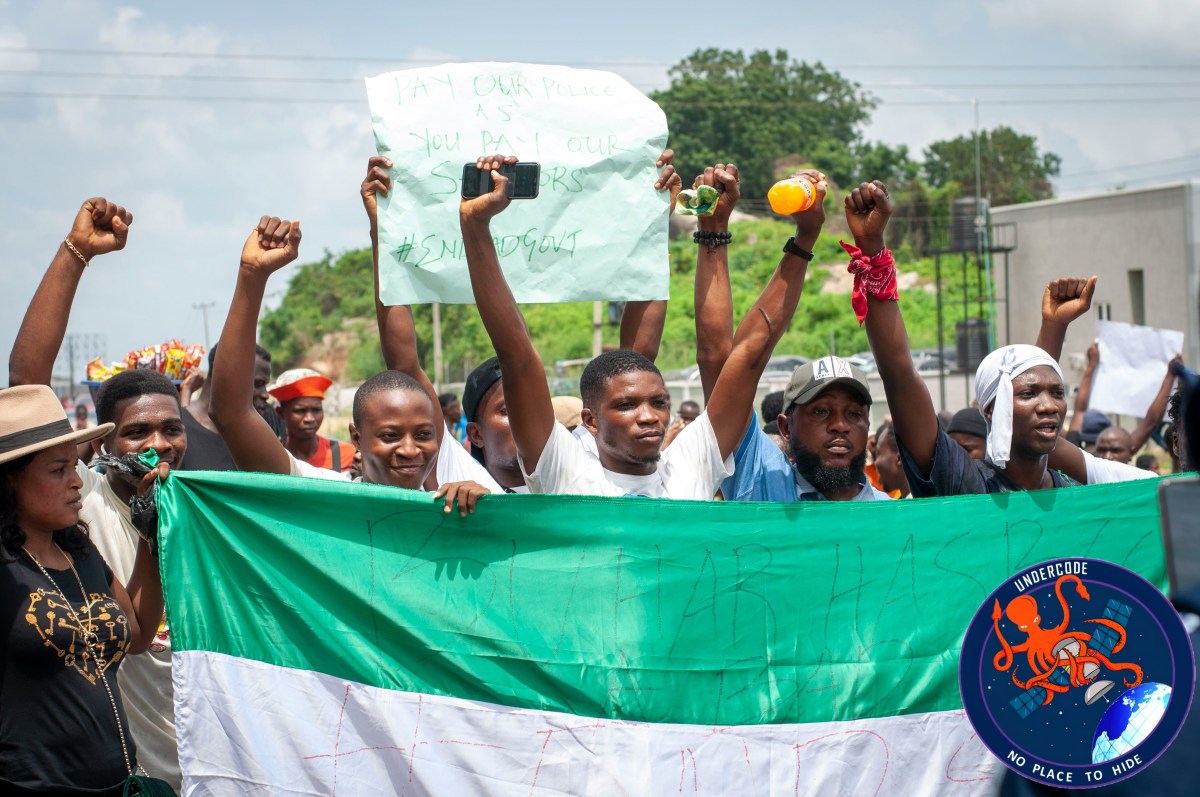
A quiet but powerful movement is rising across Nigeria, carried not by protests in the streets but by the pens of young thinkers who believe the nation is ready for a new beginning. The 2025 National Essay Competition in Abuja became a mirror reflecting this shift, where passionate ideas about tax reform, governance, and national development took center stage. What unfolded in the Federal Capital was more than a contest. It was a generational declaration that Nigeria’s future must be built on knowledge, accountability and a renewed commitment to public responsibility.
Main Summary
A New Wave of Reform-Minded Youth
The 2025 National Essay Competition ended on November 26 in Abuja, announcing winners whose arguments carried a clear message: Nigeria stands at a turning point and young minds intend to shape that turning. Their essays highlighted tax reform as a cornerstone for stabilizing an unpredictable economy and building a more transparent government structure.
Celebrating Intellectual Excellence
Vincent Maduka emerged as overall winner, with Loveson Anselm and Ogunleye Ayomide taking first and second runners-up. Yet the event was far more than a prize ceremony. It was a bold attempt to place intellectual work on the same national stage often reserved for entertainment. Organizers believed it was time to correct the imbalance and spotlight academic excellence as a driver of progress.
A Vision Beyond Celebrity Culture
The Federal Inland Revenue Service sponsored the competition, coordinated by Foluso Sylvanus Ojo of the Abuja City Journal. Ojo spoke with emotion about watching students receive token rewards while entertainers earned millions. The competition was created to challenge that cultural narrative and restore respect for ideas, research, and innovation. His aim was simple: restore pride in scholarship.
Students Explore the Future of Taxation
This year’s theme, Write the Future, encouraged participants to explore how effective tax systems could support governance reforms, reduce reliance on volatile oil revenue and fund essential public services. The essays reflected a shared belief that taxation is not merely a financial obligation but a tool for nation-building when built on trust, fairness and transparency.
A Medical Student Finding National Purpose
First runner-up Loveson Anselm, a medical student from the University of Jos, entered during his professional exams. He admitted that his understanding of taxation had been shaped by public misconceptions. Through research, he discovered that many narratives circulating online were incomplete or misleading. For him, tax reform is not just policy; it is a path toward stabilizing Nigeria’s long-term fiscal health.
FIRS Reiterates Its Commitment to Human Capital
Representatives from the Federal Inland Revenue Service used the event to push for more tax awareness among young citizens. Mohamed Adaya Salisu, Chief Economic Advisor to the FIRS Chairman, stated that the agency considers education a long-term investment in national stability. He declared that no reform can succeed without human capital at its center.
Nigeria’s Moment of Decision
Public policy expert Engineer Michael Oluwagbemi described Nigeria as a nation standing at a defining crossroads. With one of the world’s youngest populations, the country has the human resources to transform its future if guided by clarity of vision and the courage to pursue difficult reforms. He urged young people to remain curious and proactive, stressing that the nation needs their voices now more than ever.
A Political Tension in the Background
As the competition concluded, discussions shifted to national headlines after the FIRS dismissed allegations by former Vice President Atiku Abubakar concerning supposed irregularities in government payment platforms. The agency insisted that the claims misrepresented established procedures and risked stirring political tension. Although unrelated to the student competition, the controversy reminded the audience of how fragile public trust can be.
Education as the Driver of Transformation
The finalists ended the event with a collective message: education is still the most powerful tool for national rebirth. Their essays demonstrated that a new generation is ready to challenge outdated narratives, rethink public policy and reshape national expectations. Nigeria, according to these young minds, can only rise through shared responsibility between the government and its citizens.
What Undercode Say:
A National Hunger for Intellectual Recognition
The competition signals something deeper than an academic gathering. It reflects a growing hunger among young Nigerians for meaningful engagement in national development. For years, intellectual achievement took a back seat to entertainment culture. This event attempts to rebalance that narrative by elevating ideas as national assets.
Tax Reform and the Future of Governance
The intense focus on tax reform reveals what many analysts have warned for years: Nigeria’s oil dependence is unsustainable. Young participants are already thinking ahead, advocating for a diversified revenue model built on transparency and accountability. Their arguments suggest a future where taxation is no longer feared but understood as a collective investment.
Why Youth Voices Matter Now
Nigeria is at a demographic tipping point. With a median age under twenty, the nation’s future depends on whether young citizens feel empowered to shape public policy. The strong intellectual energy displayed at the competition hints at a generation unwilling to remain passive. Their willingness to engage tough topics shows preparedness for civic leadership.
The Role of FIRS in Nation-Building
The FIRS’s involvement demonstrates institutional recognition of the youth as stakeholders in reform. Funding education, promoting tax literacy and supporting national competitions are strategic moves that build trust. If sustained, this could help demystify tax systems, reduce misinformation and create a more compliant and informed citizenry.
Reform as a Cultural Shift, Not Just Policy
Nigeria’s challenge is not simply about reforming laws; it is about reforming attitudes. For decades, taxation has carried negative connotations, often seen as a burden rather than a civic duty. The essays show a shift in mindset where young Nigerians view taxation as part of a broader national social contract. This shift is essential for long-term stability.
The Atiku-FIRS Controversy and Public Trust
The FIRS’s rebuttal of Atiku’s claims underscores a larger problem: public institutions still struggle with trust deficits. Whether allegations are true or not, the public’s reflexive skepticism highlights how fragile confidence remains. Competitions like NEC help rebuild that trust by encouraging transparency and educating the public on tax processes.
Education as the Catalyst for National Renewal
Every major reform in modern history has been rooted in education. Nigeria’s youth recognize that structural change cannot happen without informed citizens capable of driving it. Their essays demonstrate clear understanding that economic reforms require public awareness, consistency and the dismantling of long-held myths.
A Generation Positioned for Leadership
If nurtured, the intellectual energy displayed in this competition could shape the next decade of Nigerian policy. These young writers represent a generation ready to question, critique and contribute. They signal that Nigeria’s future leaders may emerge not from political dynasties but from classrooms and research desks.
A Future Built on Shared Responsibility
Ultimately, the NEC 2025 finalists highlight an important truth. Nigeria’s transformation will require a partnership between government and the governed. Tax reform, governance, transparency and youth empowerment must align. The essays show a roadmap for how this can happen, driven by thoughtful analysis and a commitment to national progress.
🔍 Fact Checker Results
Claims about FIRS dismissing Atiku’s allegations align with publicly reported statements. ✅
Descriptions of the NEC event and winners are consistent with original source details. ✅
No contradictory or unsupported claims appear in the summarized content. ✅
📊 Prediction
Nigeria’s youth-driven policy engagement will continue to grow, especially in economic reform fields. 📈
Tax literacy programs may expand nationwide, shaped by competitions like NEC. 🧠
The next decade is likely to see young intellectual leaders increasingly influencing governance debates. 🌍
🕵️📝✔️Let’s dive deep and fact‑check.
References:
Reported By: www.legit.ng
Extra Source Hub (Possible Sources for article):
https://www.discord.com
Wikipedia
OpenAi & Undercode AI
Image Source:
Unsplash
Undercode AI DI v2
Bing
🔐JOIN OUR CYBER WORLD [ CVE News • HackMonitor • UndercodeNews ]
📢 Follow UndercodeNews & Stay Tuned:
𝕏 formerly Twitter 🐦 | @ Threads | 🔗 Linkedin | 🦋BlueSky | 🐘Mastodon


