
Listen to this Post
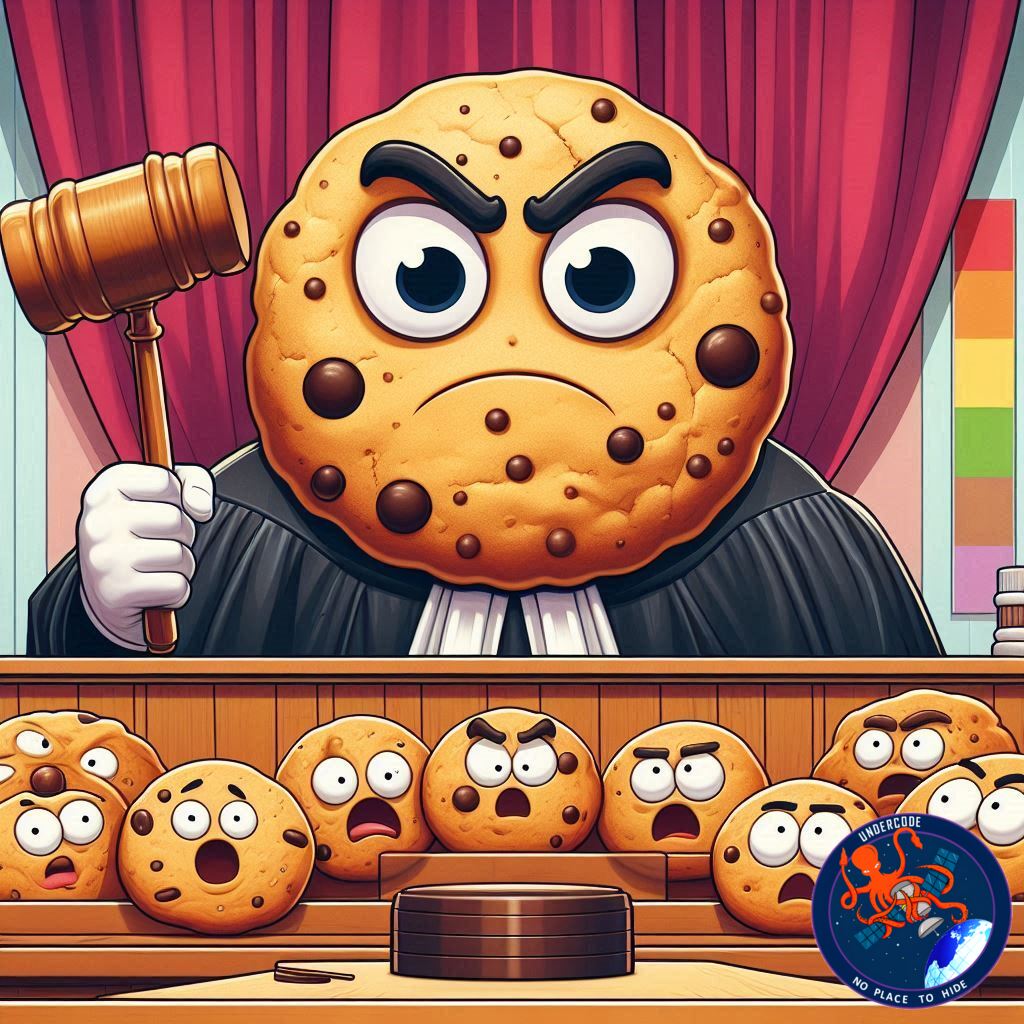
France’s data protection authority, CNIL, has imposed a hefty fine of €750,000 on Les Publications Condé Nast, citing repeated breaches of cookie consent regulations on the Vanity Fair website. Despite previous warnings, the company continued setting cookies on users’ devices without obtaining explicit consent, a clear violation of European data privacy laws. This action underscores CNIL’s commitment to enforcing strict privacy standards and protecting user autonomy online.
The ruling highlights ongoing tensions between global media companies and European data protection frameworks. While cookies are often used to track user behavior and serve targeted advertising, EU law requires that websites must provide clear, informed consent before placing such tracking technologies. In Condé Nast’s case, CNIL determined that the publisher had failed to implement the necessary mechanisms to ensure users could actively accept or reject cookies, even after earlier reminders.
This fine serves as a stern reminder that non-compliance carries serious financial repercussions. CNIL’s decision reflects an increasing regulatory trend in Europe, where authorities are cracking down on large corporations that disregard user privacy rights. For Vanity Fair readers in France, this may result in stricter cookie management options and enhanced transparency about how personal data is collected and used.
The penalty also raises questions about the broader digital advertising ecosystem. Many online media outlets rely heavily on cookies for revenue, which can create conflicts between business models and privacy obligations. Experts suggest that companies failing to align with privacy laws risk not only fines but also reputational damage and loss of user trust.
Beyond France, the case may have ripple effects across Europe. Regulators in other EU countries are watching closely, as consistent enforcement strengthens the overall effectiveness of the GDPR framework. Companies operating internationally will need to reassess their cookie practices to avoid similar sanctions.
For the tech industry, this decision underscores the importance of proactive compliance measures. Transparency, user education, and accessible consent mechanisms are no longer optional—they are mandatory. As privacy awareness among consumers grows, businesses ignoring these expectations face increasing scrutiny.
CNIL’s action against Condé Nast also signals an evolving regulatory landscape where repeated offenses are treated more severely. Rather than issuing repeated warnings, authorities are willing to levy substantial financial penalties to enforce compliance.
In practice, this means that publishers must adopt sophisticated cookie consent tools, conduct regular audits of tracking practices, and ensure all third-party cookies are clearly disclosed. The ruling sets a precedent for other digital media organizations that might assume minimal compliance is sufficient.
What Undercode Say:
The CNIL fine against Condé Nast highlights the friction between traditional online business models and modern privacy regulations. Cookies, long the backbone of digital advertising, are increasingly becoming a legal liability rather than a neutral tool. Condé Nast’s repeated violations suggest a systemic failure in internal compliance processes, rather than a one-off oversight. Organizations managing multiple high-traffic websites must prioritize automated compliance solutions that not only track consent but also provide auditable evidence of user choices.
Moreover, this case emphasizes the role of regulatory bodies in shaping corporate behavior. The financial penalty is significant, but the reputational implications could be more damaging. Users are becoming more aware of their rights under GDPR and are likely to shift loyalty to platforms that respect their privacy. Companies that neglect this trend may find themselves facing both legal consequences and declining engagement metrics.
Technically, the challenge lies in balancing user experience with regulatory adherence. Pop-ups and banners for cookie consent are often criticized for being intrusive, yet insufficient disclosure violates the law. Effective solutions include granular consent mechanisms, real-time tracking audits, and transparent privacy dashboards. Adopting these tools can safeguard both legal compliance and user trust, which are increasingly intertwined.
From a business perspective, fines like this can catalyze industry-wide shifts. Media organizations dependent on targeted advertising must innovate alternative monetization strategies that minimize invasive tracking, such as contextual advertising or subscription-based models. Failure to evolve may result in repeated sanctions across multiple jurisdictions.
Internationally, CNIL’s actions send a clear signal: European regulators will not tolerate repeated non-compliance. This serves as a warning for global publishers operating in the EU. Legal departments must integrate data privacy compliance into all operational levels, from IT to marketing. Regular staff training and compliance audits are no longer optional—they are essential risk mitigation tools.
Interestingly, this incident also reflects a broader societal demand for digital accountability. Consumers increasingly expect transparency and control over their personal information. Companies ignoring these expectations risk not only legal penalties but also eroding the social license to operate in digital markets.
In conclusion, Condé Nast’s fine is more than a regulatory enforcement—it is a call to action. The interplay between user consent, business revenue models, and regulatory scrutiny will define the future of digital media. Firms that embrace compliance as a strategic asset, rather than a bureaucratic burden, are likely to gain a competitive advantage in trust and user engagement. The digital landscape is evolving rapidly, and privacy-conscious companies are best positioned to thrive in this new era.
Fact Checker Results:
✅ CNIL fined Condé Nast €750,000 for cookie consent violations.
✅ Violations occurred despite prior warnings from the regulator.
❌ No evidence that Condé Nast has fully corrected its cookie practices yet.
Prediction:
💡 Expect tighter EU enforcement on digital media companies in 2026, with larger fines for repeated GDPR violations.
💡 Publishers may adopt more transparent, user-friendly consent mechanisms to avoid reputational damage.
💡 Alternative monetization strategies, like subscriptions or contextual ads, will likely gain traction over invasive tracking models.
🕵️📝✔️Let’s dive deep and fact‑check.
References:
Reported By: x.com
Extra Source Hub (Possible Sources for article):
https://www.stackexchange.com
Wikipedia
OpenAi & Undercode AI
Image Source:
Unsplash
Undercode AI DI v2
Bing
🔐JOIN OUR CYBER WORLD [ CVE News • HackMonitor • UndercodeNews ]
📢 Follow UndercodeNews & Stay Tuned:
𝕏 formerly Twitter 🐦 | @ Threads | 🔗 Linkedin | 🦋BlueSky | 🐘Mastodon


