
Listen to this Post
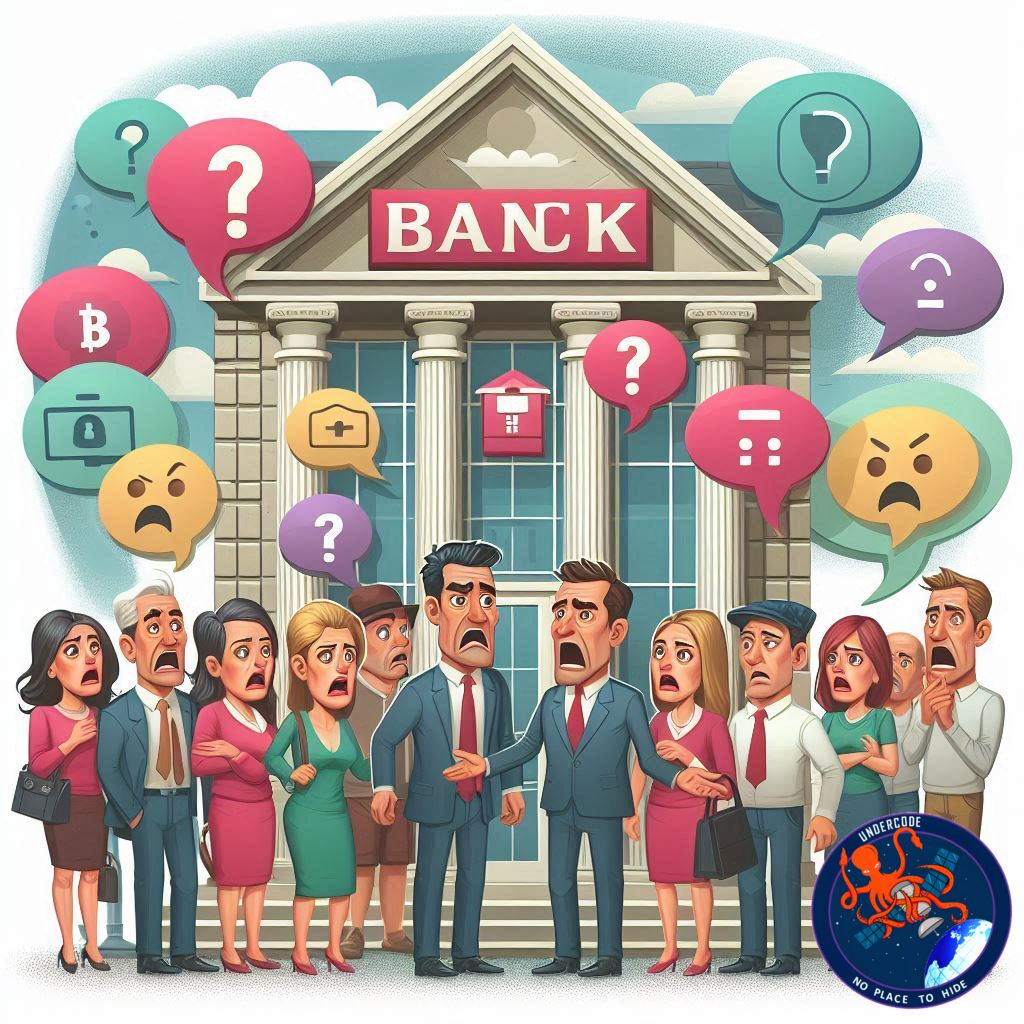
A significant cybersecurity incident has rocked the US financial sector, with Marquis Software Solutions, a Texas-based fintech provider, confirming a data breach affecting more than 780,000 individuals. The company, which serves over 700 banks and credit unions nationwide, disclosed that attackers exploited a SonicWall firewall vulnerability to gain access to sensitive customer information. This breach has raised concerns about the vulnerabilities inherent in third-party service providers and the cascading risks they pose to the banking ecosystem.
Overview of the Marquis Software Breach
The breach began on August 14 when cybercriminals leveraged a flaw in Marquis’ SonicWall firewall to infiltrate the network. Marquis responded by shutting down affected systems and engaging external cybersecurity experts to investigate the intrusion. By late October, their review confirmed that unauthorized actors had accessed and copied files containing sensitive personal and financial information from some business customers.
Authorities’ filings reveal that at least 74 banks and credit unions were impacted, with data potentially compromised including names, addresses, dates of birth, Social Security numbers, taxpayer identification numbers, and bank or card account details. While Marquis has not observed direct cases of identity theft or fraud resulting from the breach, the sheer scale of affected individuals underscores the systemic risks associated with third-party vendors in financial services.
Experts like Noelle Murata, a security engineer at Xcape, highlighted that a single mid-tier vendor in the financial data flow can create a “blast radius on a national scale.” This statement emphasizes the potential ripple effect of concentrated third-party dependencies in sensitive sectors.
Some reports, including a now-removed filing from Community 1st Credit Union, suggested that Marquis may have paid a ransom to prevent data leakage, although the company has not confirmed this claim. To mitigate potential damage, Marquis has offered free credit monitoring and identity protection services for affected customers for one or two years.
Security Remediation Measures Implemented by Marquis
Following the breach, Marquis introduced multiple security enhancements aimed at preventing future attacks:
Full patching of all firewall devices
Rotation of local account passwords
Deletion of unused accounts
Enabling multi-factor authentication (MFA) on all firewall and VPN accounts
Increased firewall logging retention
VPN lock-out rules for repeated failed login attempts
Geo-IP filtering for approved countries
Blocking connections to or from known botnet command servers
Michael Bell, CEO of Suzu Labs, emphasized that these controls should have been standard practice, noting that while zero-day vulnerabilities provide initial access, the depth of an attacker’s penetration often depends on basic security hygiene.
Security researchers have also drawn connections between recent SonicWall breaches and the Akira ransomware group, although no entity has claimed responsibility for this specific incident. Marquis continues to investigate, and as of now, there is no evidence that the stolen data has appeared online.
What Undercode Say:
The Marquis breach illustrates a critical vulnerability in the financial services supply chain: overreliance on third-party vendors. Even mid-tier providers with significant data responsibilities can act as high-value targets for attackers. The exploitation of a SonicWall zero-day highlights the need for proactive vulnerability management, yet the true issue extends beyond the exploit itself. Effective cybersecurity is layered; it requires not only patching but also rigorous internal controls such as MFA, strict access management, and real-time monitoring.
The potential implications of this breach are broad. First, the financial exposure is substantial; compromised personal and financial data could enable identity theft, fraudulent transactions, and long-term credit risks, even if no immediate fraud has been detected. Second, regulatory scrutiny will likely increase. Banks and credit unions reliant on third-party services may face audits, and vendors may be required to demonstrate more robust cybersecurity frameworks.
Moreover, the alleged ransom payment—if verified—reflects a growing trend in which organizations may choose to negotiate with attackers to contain damage. This approach, while sometimes effective in the short term, can embolden ransomware actors and perpetuate the cycle of cybercrime.
The Marquis case also emphasizes the interconnected nature of financial infrastructure. A single vendor breach can cascade across multiple institutions, creating systemic risks that demand industry-wide coordination on threat intelligence sharing, early-warning mechanisms, and collaborative incident response protocols. For customers, the provision of credit monitoring and identity protection is helpful but only a partial remedy; long-term vigilance and financial education are crucial in mitigating the aftermath of such breaches.
Finally, this incident underscores a lesson in digital hygiene. Organizations must maintain baseline security measures before zero-day vulnerabilities are exploited. The response plan should anticipate not just intrusion, but also containment, recovery, and transparent communication with affected stakeholders. For investors, regulators, and consumers alike, this breach serves as a warning: digital trust in financial services hinges not just on innovation but on disciplined, layered cybersecurity practices.
🔍 Fact Checker Results:
✅ Over 780,000 individuals affected by the Marquis breach
✅ At least 74 banks and credit unions impacted
❌ No confirmed evidence that stolen data has appeared online
📊 Prediction:
Expect increased regulatory pressure on fintech vendors and stricter cybersecurity compliance requirements for third-party service providers. Financial institutions will likely prioritize vendor risk management, while awareness campaigns for consumers on identity theft protection may surge. This breach could also trigger a rise in proactive threat-sharing alliances within the banking sector to prevent similar nationwide incidents. 🛡️💻
🕵️📝✔️Let’s dive deep and fact‑check.
References:
Reported By: www.infosecurity-magazine.com
Extra Source Hub (Possible Sources for article):
https://www.github.com
Wikipedia
OpenAi & Undercode AI
Image Source:
Unsplash
Undercode AI DI v2
Bing
🔐JOIN OUR CYBER WORLD [ CVE News • HackMonitor • UndercodeNews ]
📢 Follow UndercodeNews & Stay Tuned:
𝕏 formerly Twitter 🐦 | @ Threads | 🔗 Linkedin | 🦋BlueSky | 🐘Mastodon


