
Listen to this Post
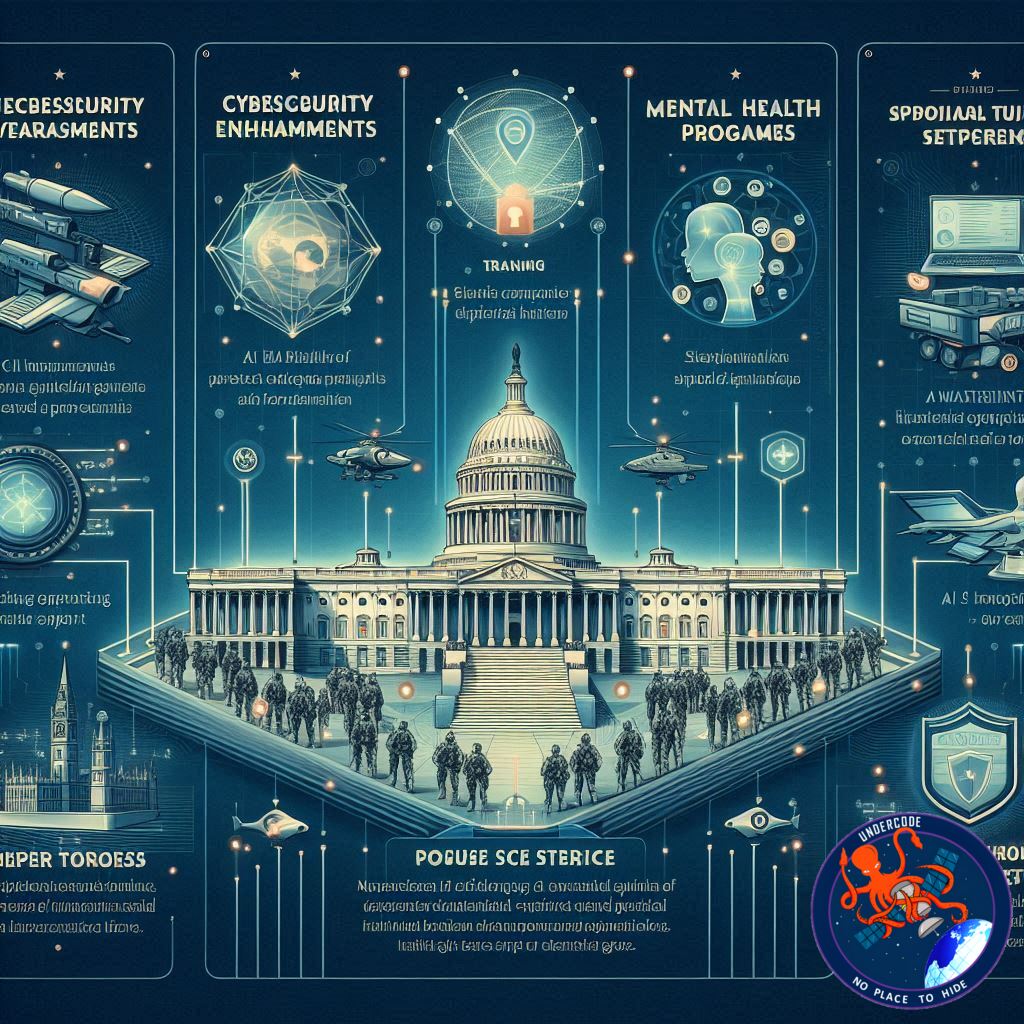
The U.S. Defense Department is set to implement sweeping changes aimed at strengthening national security, modernizing military cyber capabilities, and addressing the mental health of personnel under a newly negotiated annual defense policy bill. The legislation, part of the fiscal 2026 National Defense Authorization Act (NDAA), not only sets a record $901 billion budget for the Pentagon but also introduces significant cybersecurity and AI-focused measures. From secure mobile communications for senior leaders to mental health access for cyber specialists, this bill signals a strategic shift in how the military manages digital threats and the human factors behind them.
Summary of the Bill
The NDAA compromise mandates that senior defense officials and other personnel handling sensitive national security tasks use wireless mobile phones that meet strict cybersecurity standards, including advanced data encryption. This measure comes after the Pentagon watchdog’s review of the Signalgate incident, which spotlighted vulnerabilities in secure communications at the highest levels.
Behavioral health support is another priority. The bill directs the Pentagon to deploy specialists with the necessary security clearances to both the United States Cyber Command and the Cyber Mission Force, ensuring that mental health resources are available for personnel who operate in high-pressure digital defense roles.
Training reforms are also included. The legislation requires that mandatory cybersecurity training for military members and civilian employees integrate lessons on artificial intelligence and its unique cybersecurity challenges. This acknowledges the growing role of AI in both defense and potential cyber threats.
In addition, the bill contains a range of other cybersecurity provisions. It prohibits splitting the leadership of U.S. Cyber Command and the National Security Agency, ensuring that the Cyber Command’s responsibilities, authority, and oversight remain intact. For defense contractors, the NDAA calls for harmonizing cybersecurity requirements across all contracts and reducing contract-specific variations, aligning with broader federal cybersecurity strategies.
The legislation also takes a strong stance on commercial spyware. It declares opposition to misuse of such tools, particularly against journalists and human rights activists, and calls for coordination with international allies to prevent exports to entities likely to abuse them. While these policy statements do not carry legal force, they reflect a clear legislative intent to establish robust protections and ethical guidelines in digital operations.
What Undercode Say:
The new NDAA provisions highlight the Pentagon’s acknowledgment that cybersecurity is now inseparable from overall defense strategy. Mandating secure phones for senior officials is a pragmatic move, but it also signals an increasing awareness of insider threats and the vulnerabilities posed by personal devices in sensitive operations. The inclusion of AI-focused training recognizes that artificial intelligence is no longer a peripheral concern; it has become a central element in both cyber offense and defense.
Mental health resources for cyber personnel represent a forward-thinking approach to workforce resilience. Cyber troops face unique stressors, including constant exposure to high-stakes operations and sophisticated adversaries, and behavioral health support can mitigate burnout and operational errors. This mirrors trends in tech-driven industries where mental health is increasingly seen as integral to productivity and security.
By prohibiting the splitting of Cyber Command leadership from the NSA, the bill ensures centralized oversight in an area where fragmentation could weaken defense posture. Similarly, harmonizing contractor cybersecurity requirements reduces operational friction and aligns private sector partners with federal standards, which is critical given the Pentagon’s reliance on contractors for sensitive projects.
The stance on commercial spyware, while non-binding, sets an important precedent. Lawmakers are signaling that ethical considerations in cyber operations are rising to the level of policy discussions. Protecting journalists and human rights activists aligns the U.S. with broader international norms and could influence global cybersecurity governance.
The NDAA’s record $901 billion budget indicates that lawmakers are prioritizing both technological advancement and personnel well-being. However, funding alone will not suffice; effective implementation, especially of AI-focused cybersecurity training and mental health programs, will be crucial. The bill also implicitly acknowledges that digital warfare is now as critical as traditional military domains.
Overall, the legislation demonstrates a shift toward a more holistic approach to cyber defense—one that integrates technology, policy, and human factors. By combining secure communications, AI readiness, ethical oversight, and mental health support, the NDAA aims to prepare the U.S. military for the multi-dimensional threats of the modern age.
Fact Checker Results:
✅ Senior leaders must have secure mobile phones.
✅ Cyber troops will receive mental health support and AI-focused training.
✅ Bill sets ethical guidelines for commercial spyware, though non-binding.
Prediction:
📊 The NDAA’s cybersecurity and AI measures are likely to become a blueprint for future military modernization. We can expect accelerated AI integration in defense operations, tighter contractor compliance with cybersecurity standards, and broader mental health initiatives across cyber units. Ethical use of spyware may influence global norms, potentially reducing abuses against journalists and human rights activists.
🕵️📝✔️Let’s dive deep and fact‑check.
References:
Reported By: cyberscoop.com
Extra Source Hub (Possible Sources for article):
https://www.pinterest.com
Wikipedia
OpenAi & Undercode AI
Image Source:
Unsplash
Undercode AI DI v2
Bing
🔐JOIN OUR CYBER WORLD [ CVE News • HackMonitor • UndercodeNews ]
📢 Follow UndercodeNews & Stay Tuned:
𝕏 formerly Twitter 🐦 | @ Threads | 🔗 Linkedin | 🦋BlueSky | 🐘Mastodon


