
Listen to this Post
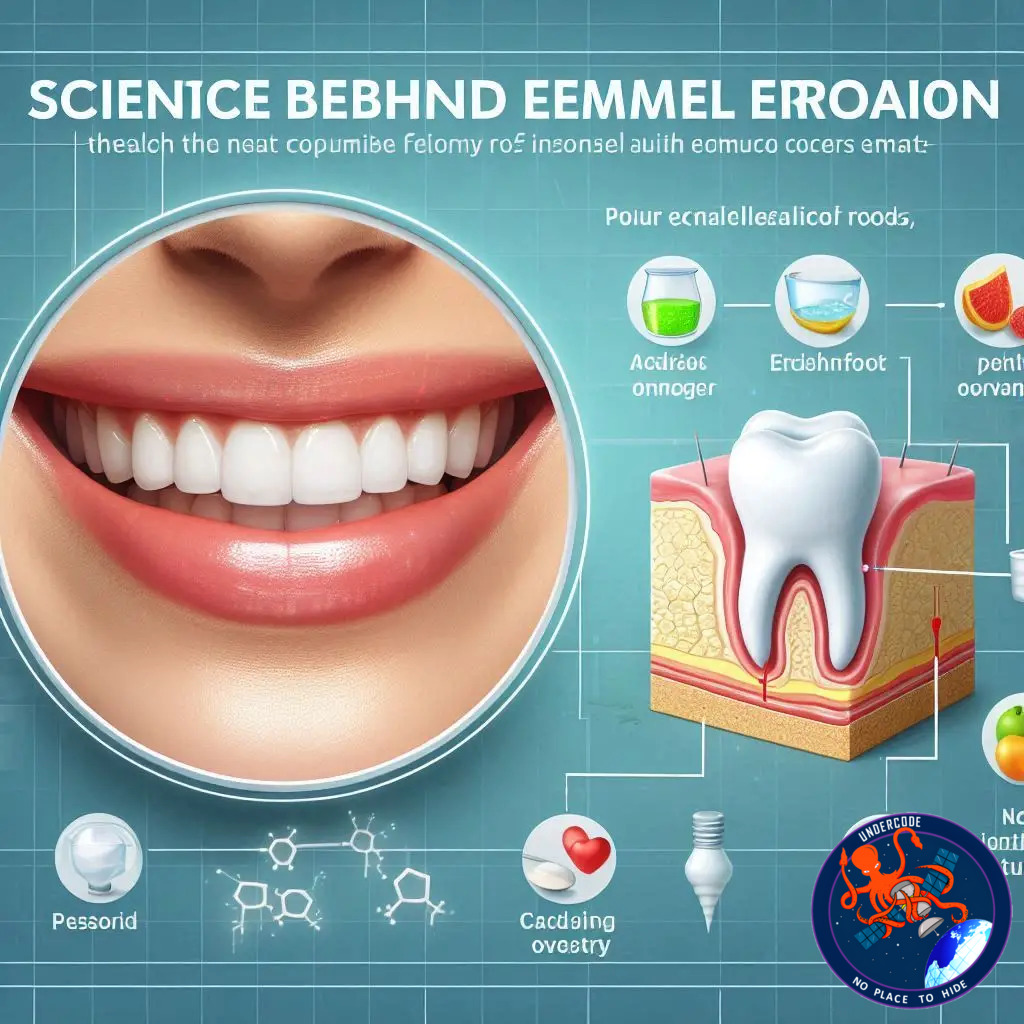
A Quiet Crisis Behind the Camera
You open your front-facing camera, ready to record a reel, only to notice something you swear wasn’t there before. Your teeth look dull. The brightness you once saw has faded into a soft yellow tint. It doesn’t look like a coffee stain. It looks deeper, almost as if the surface of your teeth has thinned. What you’re seeing is enamel wear, a slow and silent problem that hides in plain sight.
Enamel is our invisible armour. It is naturally white, resilient, and incredibly strong. Yet once it begins to erode, the yellow dentin underneath becomes visible. And unlike a quick whitening fix, enamel cannot regenerate. That is why caring for it is not just good practice. It is essential for long-term oral health, aesthetics, comfort, and confidence.
The Science Behind Enamel: The Body’s Hardest Protector
Enamel is the glossy, mineral-rich outer layer of every tooth. Composed of roughly 95 percent hydroxyapatite, it is harder than bone. But enamel has one tragic flaw. It contains no living cells. So when it erodes, chips, or dissolves, it cannot be rebuilt by the body.
This makes enamel your permanent first line of defense against sensitivity, decay, cavities, and long-term tooth damage. Once it weakens, every other dental structure becomes more vulnerable.
Why Enamel Awareness Is Shockingly Low in India
Despite its importance, enamel care rarely enters everyday conversations. Studies indicate that only a small percentage of Indians truly understand what enamel wear is, even though a vast majority face its risk.
Hard brushing, acidic snacks, lifestyle habits like sipping soft drinks through the day, and even stress-driven teeth grinding silently remove enamel layer by layer. Dentists across India report a rising number of patients already showing visible erosion. The issue is widespread, but the awareness remains surprisingly shallow.
How Enamel Quietly Erodes Over Time
Enamel erosion rarely announces itself early. It creeps in through ordinary habits.
Excessive brushing
Pushing the toothbrush too aggressively strips away enamel instead of cleaning it.
Acidic foods and beverages
Citrus fruits, colas, sports drinks, and certain sauces lower mouth pH and weaken enamel.
Constant snacking
Frequent eating keeps teeth bathed in acids far beyond mealtimes.
Teeth grinding
Night-time grinding places enormous pressure on enamel surfaces.
Neglected hygiene
Plaque allowed to linger produces acids that slowly destroy enamel.
The danger lies in how painless this process is in its early stages. You often only notice the damage when it is already advanced.
Why Enamel Care Must Become a Priority
When enamel thins, the dentin beneath shines through, creating a yellow tint that whitening cannot fix. Sensitivity soon follows, especially with hot, cold, or sweet foods. In advanced stages, cavities, nerve exposure, and even tooth loss become real risks.
But the damage isn’t limited to health. A dimmer smile can affect confidence, self-esteem, and social comfort. The emotional impact is as significant as the physical one. Protecting enamel is therefore about preserving not just teeth, but quality of life itself.
Simple, Effective Ways to Protect Enamel
Enamel care doesn’t require complex routines. Small corrections can change everything.
Gentle brushing
Use a soft-bristled brush and lighter motion rather than force.
Smarter food decisions
Limit acids and sugars, or rinse with water after consuming them.
Brush at the right time
Wait at least 30 minutes after acidic meals.
Stay hydrated
Water boosts saliva, the body’s natural defense system.
Routine check-ups
Early detection saves enamel before irreversible damage sets in.
Enamel-focused toothpaste
Formulas specifically designed for enamel can strengthen and protect the natural shield your teeth rely on.
In a country where enamel awareness is low yet risks are high, education and prevention are key. Enamel is the silent hero of oral well-being, a protector that works tirelessly. But even the strongest shield weakens if ignored.
What Undercode Say:
The quiet rise of enamel erosion is more than a dental concern. It reflects a broader pattern where lifestyle shifts outpace health awareness. Modern diets, stress-loaded routines, and quick-fix attitudes form the perfect storm for enamel damage. What makes the issue crucial is that enamel loss is irreversible. Unlike gum inflammation or minor cavities, enamel does not repair. This introduces a long-term structural vulnerability in the mouth, one that gradually compounds as daily habits continue.
The psychology behind enamel neglect is fascinating. People often associate dental problems with pain, so the absence of pain early on creates a false sense of security. This delayed symptom response means individuals don’t act until visible yellowing or sensitivity appears. By that point, erosion is already significant. The pattern mirrors many lifestyle-driven health concerns where prevention is undervalued because the damage remains invisible for too long.
Another aspect is cultural behavior. The belief that harder brushing equals cleaner teeth is widespread, yet scientifically flawed. Modern oral care requires precision, not strength. The lack of public emphasis on enamel in mainstream conversation exacerbates the problem. Advertisements often focus on whitening or cavity prevention, rarely addressing structural erosion or long-term tooth integrity.
From a broader health perspective, enamel care intersects with nutrition, stress management, and routine health checks. Each of these plays a subtle but cumulative role. Even hydration, often overlooked, influences enamel health by affecting saliva production. Saliva is the natural regulator of mouth acidity, yet its importance is rarely discussed in everyday oral care advice.
The solution is not complex. It lies in consistent habits, timely checkups, and mindful decisions. The challenge is awareness. As enamel erosion continues to increase among younger populations, the urgency to build a culture of preventive oral care becomes stronger. The goal is not just protecting teeth. It is preserving confidence, daily comfort, and long-term well-being. Enamel deserves that attention. It has earned it through years of silent work—shielding, protecting, and enduring more than we realize.
🔍 Fact Checker Results
Enamel is the hardest substance in the human body. ✅
Once enamel erodes, the body can regenerate it naturally. ❌
Acidic foods and hard brushing are major contributors to enamel wear. ✅
📊 Prediction
Enamel erosion will likely become one of the most common dental concerns in urban India within the next decade as diets become more acidic and lifestyles more fast-paced. Digital self-awareness, such as noticing changes in reels or photos, will push more people to seek preventive care. 🚀
🕵️📝✔️Let’s dive deep and fact‑check.
References:
Reported By: timesofindia.indiatimes.com
Extra Source Hub (Possible Sources for article):
https://www.pinterest.com
Wikipedia
OpenAi & Undercode AI
Image Source:
Unsplash
Undercode AI DI v2
Bing
🔐JOIN OUR CYBER WORLD [ CVE News • HackMonitor • UndercodeNews ]
📢 Follow UndercodeNews & Stay Tuned:
𝕏 formerly Twitter 🐦 | @ Threads | 🔗 Linkedin | 🦋BlueSky | 🐘Mastodon


