
Listen to this Post
Introduction
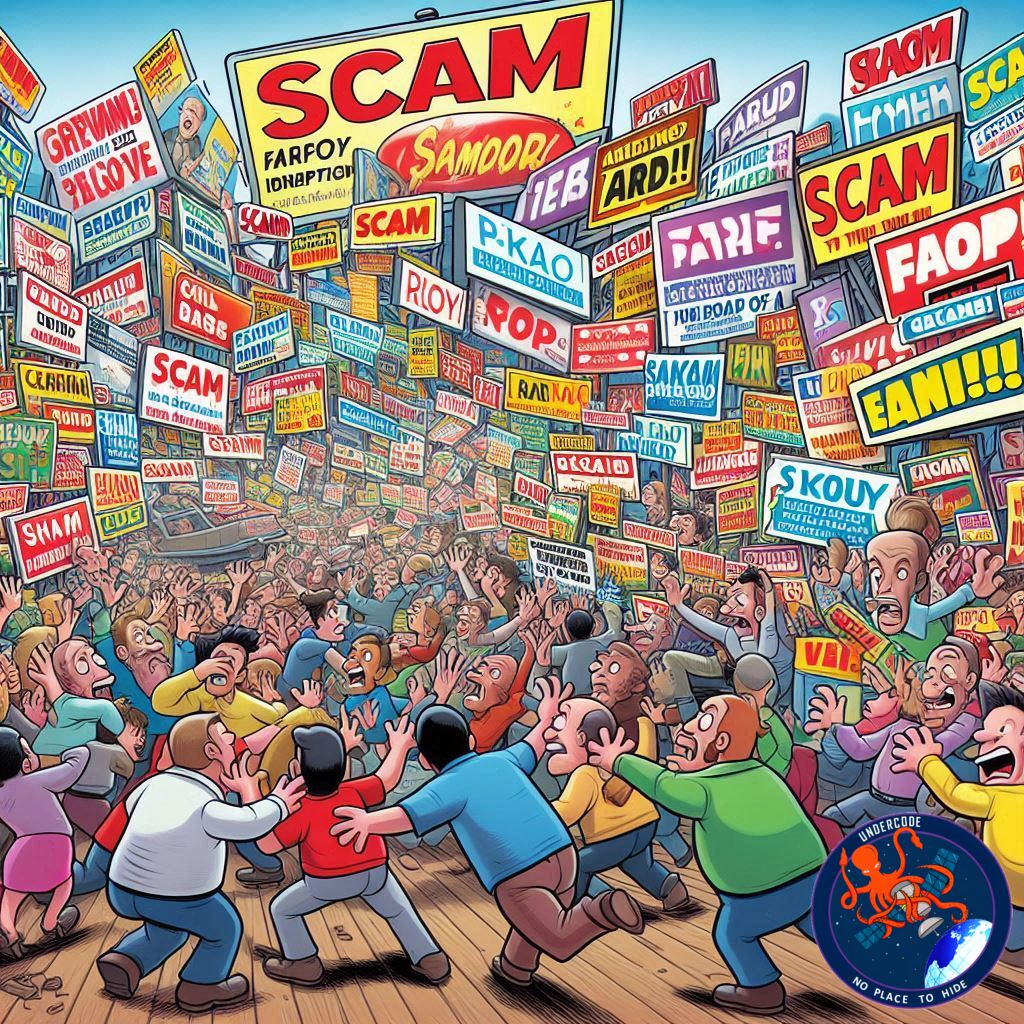
Behind Meta’s polished promises of safety and trust, a far more troubling narrative has quietly taken shape. Internal documents and whistleblower-style revelations suggest that for years, scam advertising linked to Chinese businesses flowed freely across Facebook, Instagram, and WhatsApp, generating billions in revenue while leaving victims across Asia and North America financially devastated. At the heart of the controversy lies a familiar tension in Big Tech: where does responsibility end when profits keep rising?
Billions in Revenue, Millions of Victims: A the Allegations
Internal Meta documents reviewed by Reuters paint a stark picture of the company’s China advertising business. Despite Meta’s platforms being officially banned for use by Chinese citizens, Chinese companies are allowed to advertise globally. This loophole allegedly became a massive channel for fraud. Meta reportedly calculated that it earned more than $3 billion annually from China-based advertising tied to scams and other illegal content.
In 2024 alone, Meta’s total advertising revenue from China surpassed $18 billion, accounting for over 10% of its global income. Alarmingly, around 19% of that figure was linked to ads promoting scams, illegal gambling, pornography, and other prohibited products. The scale extended far beyond China. Nearly one-quarter of all ads displayed globally on Meta platforms reportedly originated from China, amplifying the reach of deceptive campaigns.
Victims spanned continents. Taiwanese consumers were misled into purchasing fake health products. Investors in the United States and Canada reportedly lost life savings after being lured by fraudulent investment ads. Internally, concern reached a boiling point during an April 2024 staff meeting, where employees warned management of “growing harm” and urged significant investment to curb the abuse.
Meta responded by creating a special anti-fraud team focused on Chinese advertisers. By late 2024, this group reportedly cut problematic Chinese ads by nearly 50%, reducing their share of China ad revenue from 19% to around 9%. Yet the progress was short-lived. Internal documents claim that after feedback from CEO Mark Zuckerberg, the enforcement team was asked to pause its work. The group was dissolved, and several anti-scam initiatives were either halted or abandoned.
Following the dissolution, the percentage of banned or scam-related ads rebounded, climbing to roughly 16% of Meta’s China revenue by mid-2025. Former Facebook executive Rob Leathern publicly criticized the situation, calling the scale of abuse “not defensible” and questioning how such levels could be tolerated.
Meta has pushed back on these claims. Spokesperson Andy Stone stated that the China-focused fraud team was always meant to be temporary and denied that Zuckerberg ordered its shutdown. Stone emphasized that Meta’s broader directive was to intensify scam prevention globally, including China. According to Meta, automated systems blocked or removed 46 million ads from Chinese advertisers over the past 18 months, often before users ever saw them. The company also claims to have severed ties with certain Chinese agencies and reduced commissions for repeat violators.
These disclosures come as Meta faces mounting scrutiny from regulators. Earlier Reuters reporting suggested that high-risk scam ads generate nearly $7 billion annually for the company, with up to 10% of its 2024 revenue tied to prohibited or fraudulent advertising. In response, two US senators have called on the SEC and FTC to investigate, citing internal documents that reportedly identify China as the single largest source of scam content on Meta platforms.
What Undercode Say:
This controversy exposes a structural flaw that goes far beyond one market or one company. Meta’s China ad business illustrates how global platforms can monetize regions they do not legally serve, while avoiding direct accountability for downstream harm. The fact that Chinese citizens cannot access Meta platforms domestically, yet Chinese advertisers dominate global ad inventory, is not a technical oversight. It is a strategic reality that has been profitable for years.
The rise and fall of Meta’s anti-fraud team is particularly telling. Cutting scam ads nearly in half in a matter of months proves the problem was never unsolvable. It was expensive, disruptive, and inconvenient to revenue streams. When enforcement reduces income by billions, the pressure to slow down becomes immense, especially in a public company driven by quarterly growth targets.
Meta’s defense leans heavily on automation metrics, such as millions of blocked ads. But scale cuts both ways. Blocking 46 million ads sounds impressive until weighed against billions in scam-linked revenue and repeat offenders that continue to re-enter the system through agencies and shell accounts. Automation without sustained human oversight often becomes a numbers game, not a solution.
There is also a deeper reputational risk. When internal documents allegedly identify one country as the primary source of fraud, yet enforcement efforts are paused or diluted, regulators take notice. The involvement of US senators signals that this issue has moved beyond corporate governance into the realm of national consumer protection and financial crime.
Most critically, this case highlights a moral contradiction. Meta publicly positions itself as a guardian against online harm, yet internal calculations reportedly quantified scam ads as a multibillion-dollar revenue line. That framing alone suggests a culture where harm is measured, tolerated, and optimized rather than eradicated.
If regulators conclude that Meta knowingly accepted large volumes of scam advertising while slowing enforcement, the consequences could reshape how digital advertising is governed globally. This is no longer just about China ads. It is about whether platform economics can coexist with genuine user protection.
Fact Checker Results
✅ Reuters reported on internal Meta documents outlining China-linked scam ad revenues.
✅ Meta confirmed the existence of anti-fraud efforts and large-scale ad removals.
❌ Meta disputes claims that leadership ordered the shutdown of enforcement teams.
Prediction
📊 Regulatory pressure on Meta’s advertising practices is likely to intensify, particularly around high-risk markets.
📊 Future ad revenue disclosures may face stricter transparency rules tied to fraud exposure.
📊 The China ad pipeline could become a test case for global platform accountability.
▶️ Related Video (78% Match):
🕵️📝✔️Let’s dive deep and fact‑check.
References:
Reported By: timesofindia.indiatimes.com
Extra Source Hub (Possible Sources for article):
https://www.quora.com/topic/Technology
Wikipedia
OpenAi & Undercode AI
Image Source:
Unsplash
Undercode AI DI v2
Bing
🔐JOIN OUR CYBER WORLD [ CVE News • HackMonitor • UndercodeNews ]
📢 Follow UndercodeNews & Stay Tuned:
𝕏 formerly Twitter 🐦 | @ Threads | 🔗 Linkedin | 🦋BlueSky | 🐘Mastodon


