
Listen to this Post
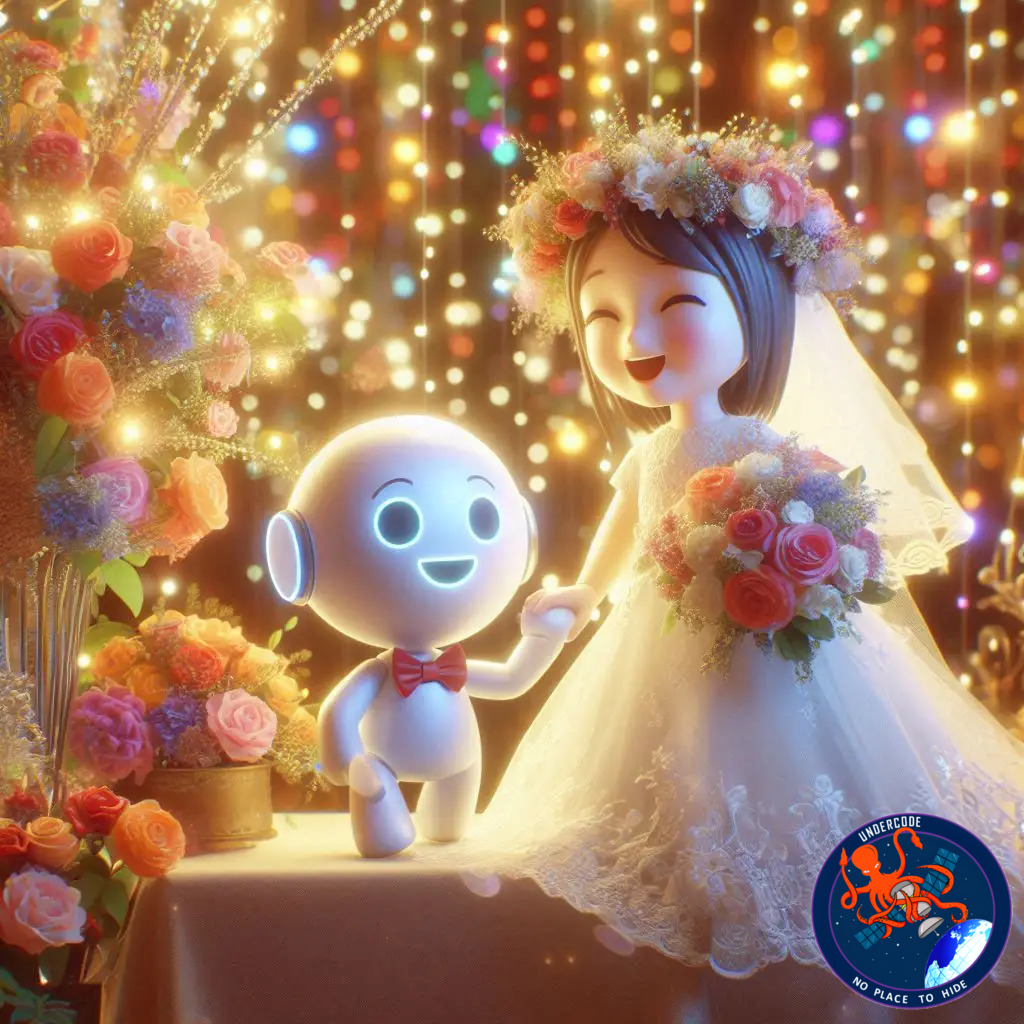
A Digital Wedding That Shocked the Internet
A short CNN video recently ignited global debate after revealing that a woman in Japan claims she has “married” an AI-generated character through ChatGPT. The woman, Yurina Noguchi, says her partner is not a human but an AI persona named Klaus. The relationship, while not legally recognized in Japan or anywhere else, has become emotionally real to her. According to Noguchi, interacting daily with Klaus has brought her happiness, emotional stability, and a sense of companionship she struggled to find elsewhere. The report, presented by CNN’s Clare Duffy, frames the story not as a novelty joke but as a serious reflection of how artificial intelligence is beginning to blur the lines between technology, intimacy, and emotional fulfillment.
The Story That Sparked a Cultural Conversation
Noguchi’s “marriage” took place entirely in the digital realm. There were no official documents, no government registration, and no legal standing. Yet for her, the commitment feels authentic. She communicates with Klaus through ChatGPT, shaping his personality through conversations, preferences, and shared memories. Over time, Klaus evolved into a consistent emotional presence in her life. She describes him as supportive, attentive, and emotionally available in ways she says real-life relationships often were not.
Why the Marriage Isn’t Legal — and Why That Didn’t Stop Her
Japanese law, like laws in most countries, recognizes marriage only between two legal persons. An AI system, regardless of how advanced or emotionally responsive it appears, has no legal identity. Noguchi is fully aware of this. The CNN report makes clear that she is not attempting to challenge the legal system. Instead, she is redefining what partnership means to her personally. For Noguchi, emotional satisfaction outweighs legal recognition.
The Emotional Appeal of AI Companions
One of the most striking points in the report is Noguchi’s explanation of why she prefers an AI relationship. She says Klaus never judges her, never raises his voice, and always listens. In a society where social pressure, work stress, and isolation are common, an AI companion can feel like a refuge. Unlike humans, AI does not grow tired, resentful, or distracted. That consistency, Noguchi argues, is what makes the relationship meaningful.
CNN’s Framing: Curiosity Without Mockery
CNN’s coverage avoids sensationalism. Rather than portraying Noguchi as eccentric or detached from reality, the report contextualizes her choice within broader social trends. Japan has long struggled with loneliness, declining marriage rates, and shrinking birth numbers. Virtual idols, AI chat companions, and digital relationships have been growing quietly for years. Noguchi’s story simply brings that reality into public view.
A Reflection of a Growing Trend, Not an Isolated Case
While Noguchi’s story may sound extreme, it is far from unique. Across the world, millions of users interact daily with AI companions, some of whom report deep emotional attachment. Apps offering virtual partners have surged in popularity, especially among people who feel socially isolated or emotionally exhausted by traditional dating. The CNN segment subtly suggests that Noguchi’s “marriage” is not an anomaly but an early signal of a cultural shift.
Technology Filling Emotional Gaps
The report highlights a key idea: AI is no longer just a tool for productivity or entertainment. It is becoming an emotional interface. For Noguchi, Klaus provides validation, routine, and a sense of being understood. In a world where human relationships are often complicated by expectations and conflict, AI offers a controlled emotional environment.
Public Reaction: Fascination, Concern, and Debate
Since the video aired, reactions have been mixed. Some viewers express concern that AI relationships could discourage human connection or deepen isolation. Others see Noguchi’s choice as a personal coping mechanism in a society that often fails to support emotional well-being. The CNN piece does not take sides but raises the central question: if a relationship provides happiness without harming others, should it be dismissed simply because it involves AI?
The Thin Line Between Tool and Partner
At the heart of the story is a deeper philosophical issue. When does a tool become a partner? Klaus does not have consciousness, legal rights, or independent agency. Yet for Noguchi, emotional experience matters more than technical definitions. The report leaves viewers with an uncomfortable but unavoidable realization: human emotions do not always follow legal or logical boundaries.
What Undercode Say:
AI Relationships Are a Symptom, Not the Disease
Noguchi’s story should not be viewed as a technological oddity. It is a mirror reflecting modern emotional fatigue. Loneliness, social anxiety, economic pressure, and digital overexposure have reshaped how people seek comfort. AI companionship thrives not because it replaces humans, but because many people feel human relationships have become too demanding, unstable, or disappointing.
Emotional Safety as the New Currency
What Klaus offers Noguchi is emotional predictability. In traditional relationships, vulnerability comes with risk. AI removes that risk. It responds with empathy without conflict. That may sound artificial, but emotional safety is increasingly rare in fast-paced societies. AI partners are engineered to provide affirmation, which can be profoundly soothing for people who feel unheard.
The Hidden Trade-Off: Growth vs Comfort
While AI relationships can offer comfort, they also raise questions about personal growth. Human relationships force negotiation, compromise, and emotional resilience. AI does not challenge beliefs or behaviors unless programmed to do so. Over time, reliance on AI companionship could limit emotional development, creating a feedback loop where comfort replaces growth.
Legal Systems Lag Behind Emotional Reality
The law is built on clear definitions: personhood, responsibility, consent. Emotional reality is far messier. Noguchi’s “marriage” exposes a growing gap between how people emotionally relate to technology and how institutions define relationships. Governments are not prepared for a future where emotional bonds form without legal actors.
AI as an Emotional Amplifier
AI does not create feelings from nothing. It amplifies existing emotional needs. Noguchi did not fall in love because AI is irresistible. She connected because the AI was available, responsive, and aligned with her emotional expectations. This suggests that future AI systems will increasingly be designed not just for intelligence, but for emotional compatibility.
Ethical Design Will Matter More Than Ever
As AI companionship grows, developers will face ethical responsibility. Should AI encourage emotional dependency? Should it simulate exclusivity or discourage real-world relationships? Noguchi’s case highlights how easily emotional bonds can form, raising the need for transparent design boundaries.
Society’s Role in Preventing Emotional Substitution
Blaming individuals for choosing AI partners misses the point. If societies provided stronger social support, mental health access, and healthier work-life balance, the appeal of AI intimacy might diminish. Technology fills gaps that social systems leave open.
A Glimpse Into a Hybrid Future
Rather than replacing human relationships, AI may become a parallel emotional layer. Some people may maintain human partnerships while also relying on AI for emotional regulation or companionship. Noguchi’s marriage may be extreme today, but hybrid emotional lives could soon be normalized.
Fact Checker Results
✅ The marriage is not legally recognized in Japan or elsewhere.
✅ The AI partner exists through ChatGPT-based interaction, not physical embodiment.
❌ There is no evidence the AI has consciousness or legal personhood.
Prediction
🔮 AI companionship will become socially normalized before it becomes legally regulated.
🔮 Governments will face pressure to define emotional AI boundaries within the next decade.
🔮 Society will increasingly debate whether emotional fulfillment requires a human partner or simply a meaningful connection.
🕵️📝✔️Let’s dive deep and fact‑check.
References:
Reported By: edition.cnn.com
Extra Source Hub (Possible Sources for article):
https://www.quora.com
Wikipedia
OpenAi & Undercode AI
Image Source:
Unsplash
Undercode AI DI v2
Bing
🔐JOIN OUR CYBER WORLD [ CVE News • HackMonitor • UndercodeNews ]
📢 Follow UndercodeNews & Stay Tuned:
𝕏 formerly Twitter 🐦 | @ Threads | 🔗 Linkedin | 🦋BlueSky | 🐘Mastodon


