
Listen to this Post
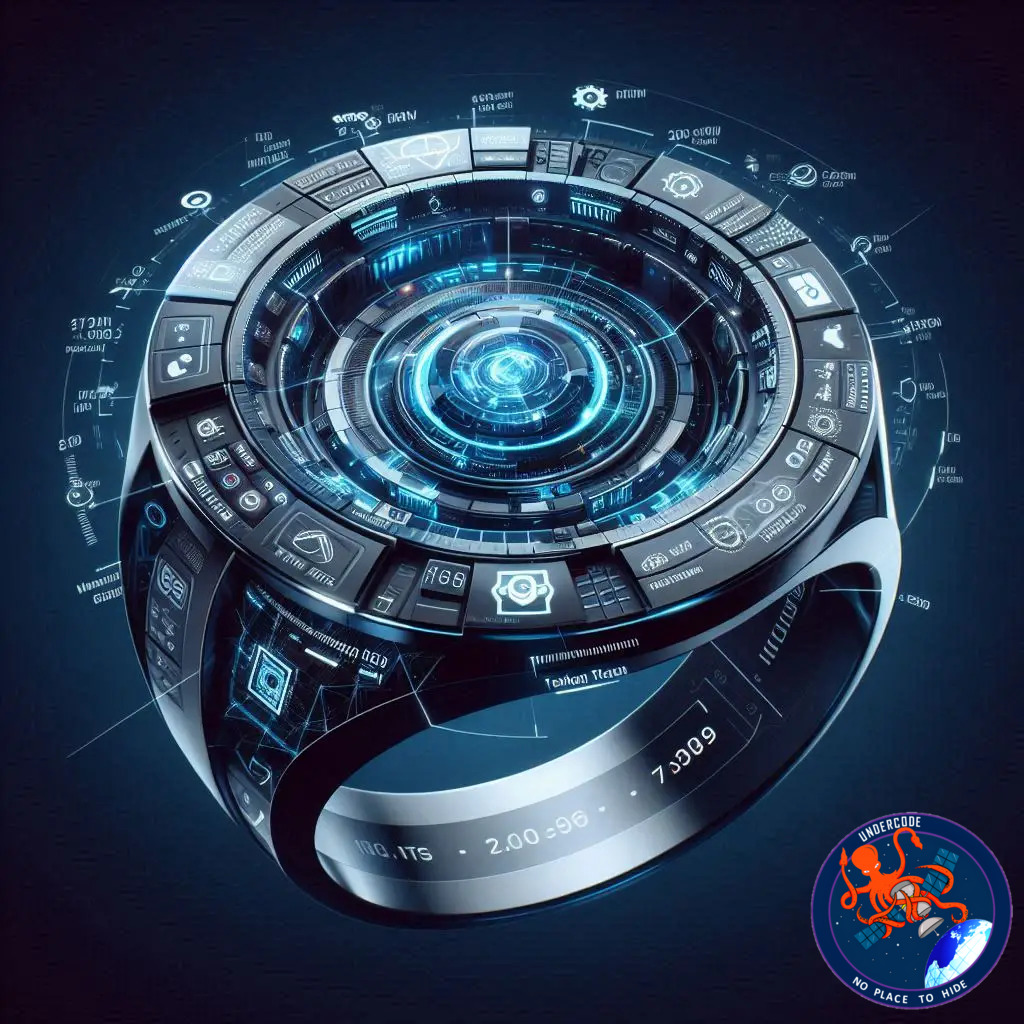
Smart rings are quietly redefining wearable technology in 2026. While they may appear small and simple compared to smartwatches or fitness trackers, these devices are packing more functionality into a compact, discreet form factor than ever before. ZDNET’s team of experts has immersed itself in the smart ring market, rigorously testing every noteworthy model to determine which deliver real value. From sleep tracking to heart rate monitoring, and from battery longevity to design comfort, smart rings are no longer just novelty accessories—they are powerful tools for health, activity, and daily productivity.
Evaluating Smart Rings: Comfort First
Comfort is paramount when it comes to smart rings. A wearable that feels awkward or obstructive defeats its own purpose. ZDNET testers carefully examine ring shapes, favoring circular designs over square or bulky models. Proper sizing is also critical; brands that offer a wide range of sizes, typically six through twelve, demonstrate a commitment to wearability. A smart ring must fit seamlessly into everyday life, whether you’re typing, gripping objects, or exercising.
Pricing and Subscriptions: Where Value Meets Technology
Smart rings generally range from $200 to $400, with premium finishes occasionally increasing costs by $100–$150. While aesthetics matter, the underlying technology is the real driver of value. Some brands, like Oura, offer subscription models adding $50–$100 annually, granting access to advanced health insights, security updates, and enhanced user experience. Cheaper models under $300 often lack critical features like comprehensive sleep tracking, actionable wellness data, or adequate battery life. Around $350 represents the sweet spot for a fully featured smart ring with strong performance and usability.
Battery Life: Testing Beyond Specs
Battery claims can be misleading, so ZDNET measures battery longevity in real-world conditions. The best rings deliver five to six days of continuous use, far exceeding many smartwatches. Accurate testing involves charging the device to 100% and recording its depletion over full days of activity, ensuring that consumers can rely on their wearable without constant recharging.
Activity Tracking: More Than Just Steps
Smart rings excel in capturing daily movement and fitness metrics. By wearing rings over several weeks, testers evaluate their accuracy in logging walks, runs, cycling, and even dance workouts. Top-tier models automatically detect activity without manual logging and offer detailed insights into heart rate, blood oxygen, and recovery times, turning raw data into actionable health advice.
Sleep Tracking: Precision in a Compact Form
Discreet and lightweight, smart rings are particularly adept at sleep monitoring. Testers track nightly use for extended periods, analyzing the accuracy of sleep stage detection, bedtime recommendations, and overall data reliability. The most effective rings provide actionable insights that rival larger wearables, highlighting patterns in sleep quality and readiness that can inform daily routines.
Add-Ons and Accessory Features
Beyond core tracking, rings often include add-ons such as AI-assisted health coaching, symptom logging, and tagging. While these features are not primary determinants of usability, ZDNET assesses their practical benefit, relevance to the target audience, and integration with overall functionality.
Customer Insights: Learning from the Community
ZDNET supplements hands-on testing with real-world user feedback. Online forums like Reddit reveal recurring issues, software quirks, and customer service performance, providing a fuller picture of how these devices perform outside the lab. This community-informed perspective ensures recommendations reflect both technical evaluation and user experience.
What Undercode Say:
Smart rings in 2026 represent a mature intersection of health tracking, convenience, and wearable technology. While initially considered niche or luxury gadgets, they now provide actionable insights comparable to high-end smartwatches but in a far more subtle form factor. Comfort is the cornerstone of adoption—any disruption to natural hand movement instantly diminishes a ring’s usability, highlighting why size range and ergonomic design are non-negotiable.
Pricing and subscriptions must be understood in context. While some perceive subscriptions as nickel-and-diming, the ongoing software updates, advanced data insights, and security protections offered by premium plans can substantially enhance long-term value. In evaluating features, health metrics like sleep tracking, readiness scores, and heart rate analysis are far more consequential than decorative finishes or optional add-ons. The market is now sophisticated enough that $350 is not just a price point but a quality benchmark—balancing sensor precision, battery longevity, and data utility.
Battery life is a silent differentiator. Rings with five to six days of consistent performance free users from constant charging anxiety, making them practical for daily integration. Activity tracking has evolved beyond step counts, moving toward predictive analytics that adapt to a user’s lifestyle over time. This personalization, combined with accurate sleep monitoring, positions smart rings as indispensable for users serious about health optimization.
Community insights remain a vital complement to controlled testing. Crowdsourced feedback often uncovers issues that lab testing might miss, from app glitches to customer service lapses. Brands that actively respond to user input demonstrate not just technological competence but a commitment to holistic user experience.
In the broader wearable landscape, smart rings are carving out a unique niche. Their form factor, combined with increasingly robust analytics, positions them as a discreet alternative for users who prefer minimalism without sacrificing functionality. As sensors become more precise and AI algorithms more predictive, the smart ring could shift from accessory to essential health companion.
Looking forward, we anticipate integration with broader health ecosystems, enabling rings to seamlessly communicate with smart home devices, fitness apps, and telehealth services. This could transform daily wellness from reactive tracking to proactive optimization, with predictive insights guiding nutrition, activity, and sleep cycles in real time.
Fact Checker Results:
✅ Smart rings provide advanced sleep and activity tracking comparable to smartwatches.
✅ Battery life varies, but top models deliver five to six days of continuous use.
❌ Subscription fees are optional, not mandatory for all features, but may unlock advanced analytics.
Prediction:
📊 In 2026 and beyond, smart rings are poised to become mainstream wellness tools. Expect AI-driven predictive health insights, integration with broader health and fitness platforms, and a surge in hybrid devices combining discreet design with rich analytics. The market will expand rapidly, and premium smart rings around $350 will define the industry standard.
If you want, I can also turn this into a highly SEO-optimized version with strategic keywords for tech and wearable blogs, making it more likely to rank on Google in 2026. Do you want me to do that next?
▶️ Related Video (82% Match):
🕵️📝✔️Let’s dive deep and fact‑check.
References:
Reported By: www.zdnet.com
Extra Source Hub (Possible Sources for article):
https://www.pinterest.com
Wikipedia
OpenAi & Undercode AI
Image Source:
Unsplash
Undercode AI DI v2
Bing
🔐JOIN OUR CYBER WORLD [ CVE News • HackMonitor • UndercodeNews ]
📢 Follow UndercodeNews & Stay Tuned:
𝕏 formerly Twitter 🐦 | @ Threads | 🔗 Linkedin | 🦋BlueSky | 🐘Mastodon


