
Listen to this Post
 Introduction: A Digital Leak That Crossed Into the Physical World
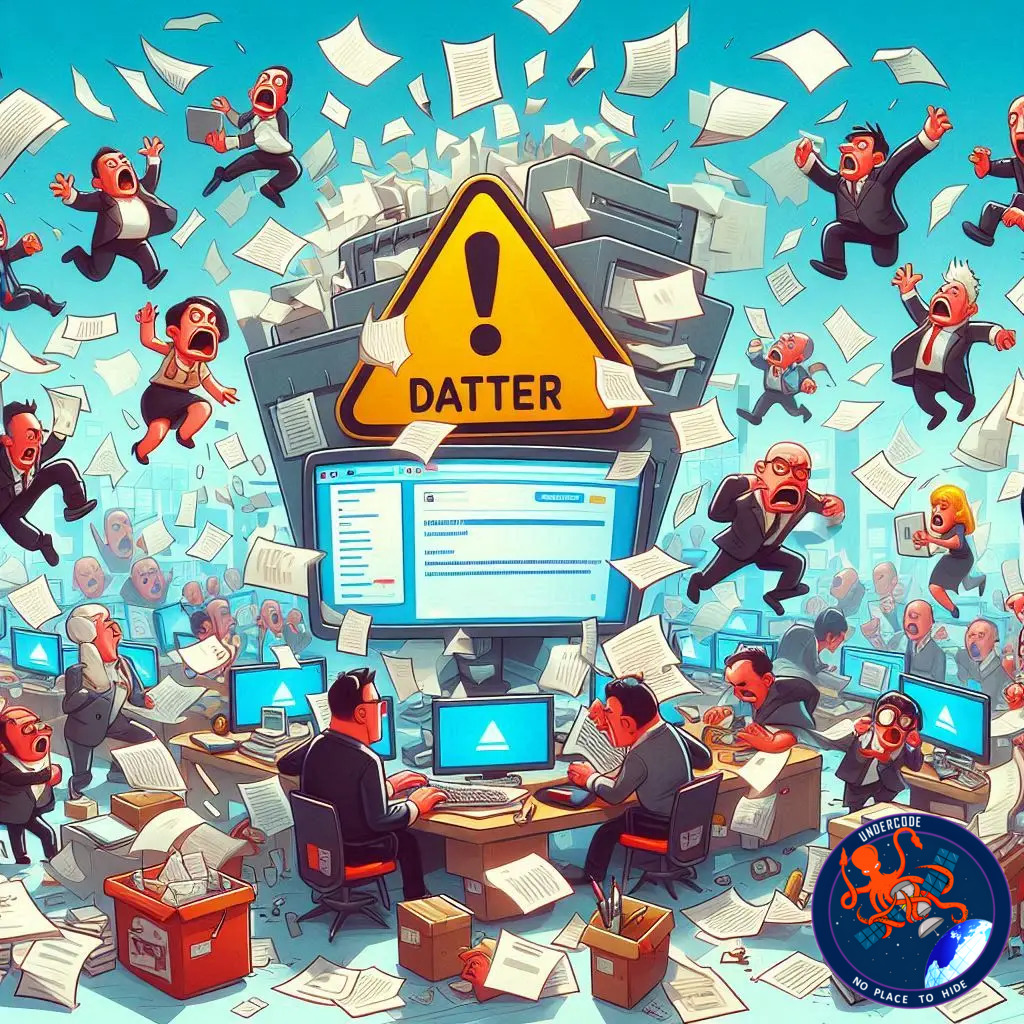
A newly uncovered data breach tied to Instagram has shaken the cybersecurity community, not because of its scale alone, but because of what the stolen data enables. Around 17.5 million users have allegedly had their personal information exposed, including usernames, email addresses, phone numbers, and most alarmingly, physical home addresses. What began as confusion over unexpected password reset emails has now evolved into a far more serious narrative involving dark web marketplaces, targeted abuse, and tangible threats to personal safety.
the Original Report: How the Breach Unfolded
Researchers at Malwarebytes Labs revealed that a massive database containing personal details of approximately 17.5 million Instagram users has surfaced in cybercriminal circles. Since January 10, 2026, nearly one million users have reported receiving unsolicited password reset emails, triggering fears of a coordinated cyberattack. Investigations uncovered a database being sold on a cybercrime forum, marketed as a “doxxing kit” and affecting nearly 18 million accounts. Unlike previous Instagram-related data scrapes that relied mostly on public profile information, this dataset reportedly includes verified physical home addresses linked directly to Instagram user IDs.
The researchers believe the attackers did not rely on Instagram data alone. Instead, they likely enriched Instagram user IDs with information from external sources such as marketing databases, data brokers, e-commerce leaks, or previously compromised customer records. This cross-referencing allowed cybercriminals to connect online personas with real names and real-world locations. According to reports cited by The Cybersec Guru, portions of the database are already being auctioned on illicit marketplaces, sold in region-based batches and sorted by follower count. This structure makes influencers, entrepreneurs, and high-profile accounts especially attractive targets.
Security experts warn that this breach elevates the threat level far beyond spam or account hijacking. Linking digital identities to physical addresses opens the door to stalking, swatting, extortion, and identity theft. The data is reportedly active in underground markets, not sitting dormant, which increases the urgency for users to take protective measures. Recommended actions include ignoring suspicious password reset emails, changing passwords only through the official Instagram app, verifying legitimate messages via Instagram’s email log, enabling app-based two-factor authentication instead of SMS, and revoking access from unknown third-party applications that may have played a role in the exposure.
What Undercode Say: Why This Breach Signals a Dangerous Shift
The Evolution From Data Scraping to Identity Mapping
This incident highlights a critical shift in cybercrime strategy. Attackers are no longer satisfied with harvesting isolated datasets. They are now assembling identity maps, combining fragments from multiple breaches to build profiles that mirror real human lives. An Instagram username alone has limited value. An Instagram username tied to a physical address changes everything.
The Silent Role of Data Brokers and Legacy Leaks
What makes this breach particularly concerning is the likelihood that Instagram itself was not directly hacked. Instead, the ecosystem around social platforms has become the weak link. Data brokers, marketing lists, and poorly secured third-party services act as silent amplifiers, allowing attackers to stitch together information users never knowingly shared in one place.
Influencers as High-Value, High-Risk Targets
The reported sorting of stolen records by follower count reveals clear intent. Influencers and business accounts are not just digital brands, they are monetizable pressure points. With home addresses exposed, extortion threats become more credible, and harassment campaigns gain psychological leverage that pure online data could never provide.
When Privacy Breaches Become Safety Threats
This case redraws the boundary between cybersecurity and personal safety. Swatting incidents, stalking, and offline intimidation are no longer theoretical outcomes. They are realistic consequences when physical location data is paired with public-facing social profiles. The industry must stop framing breaches as abstract privacy failures and start treating them as public safety issues.
Why User Awareness Alone Is No Longer Enough
While recommended user actions are necessary, they are not sufficient. Expecting individuals to outmaneuver coordinated data aggregation operations is unrealistic. Platforms and regulators must confront the broader data economy that allows identity enrichment at scale, often without meaningful user consent or transparency.
Fact Checker Results
✅ Malwarebytes Labs confirmed the existence of a database linked to Instagram user data.
✅ Reports indicate portions of the dataset are being sold on cybercrime forums.
❌ No public evidence confirms a direct breach of Instagram’s core infrastructure.
Prediction: What Comes Next for Instagram Users 📊
🔮 More attacks will focus on identity correlation rather than single-platform breaches.
🔮 Influencers and verified accounts will face increased extortion and harassment attempts.
🔮 Regulatory pressure on data brokers and third-party app ecosystems will intensify as real-world harm becomes harder to ignore.
▶️ Related Video (86% Match):
🕵️📝✔️Let’s dive deep and fact‑check.
References:
Reported By: securityaffairs.com
Extra Source Hub (Possible Sources for article):
https://www.quora.com
Wikipedia
OpenAi & Undercode AI
Image Source:
Unsplash
Undercode AI DI v2
Bing
🔐JOIN OUR CYBER WORLD [ CVE News • HackMonitor • UndercodeNews ]
📢 Follow UndercodeNews & Stay Tuned:
𝕏 formerly Twitter 🐦 | @ Threads | 🔗 Linkedin | 🦋BlueSky | 🐘Mastodon


