
Listen to this Post
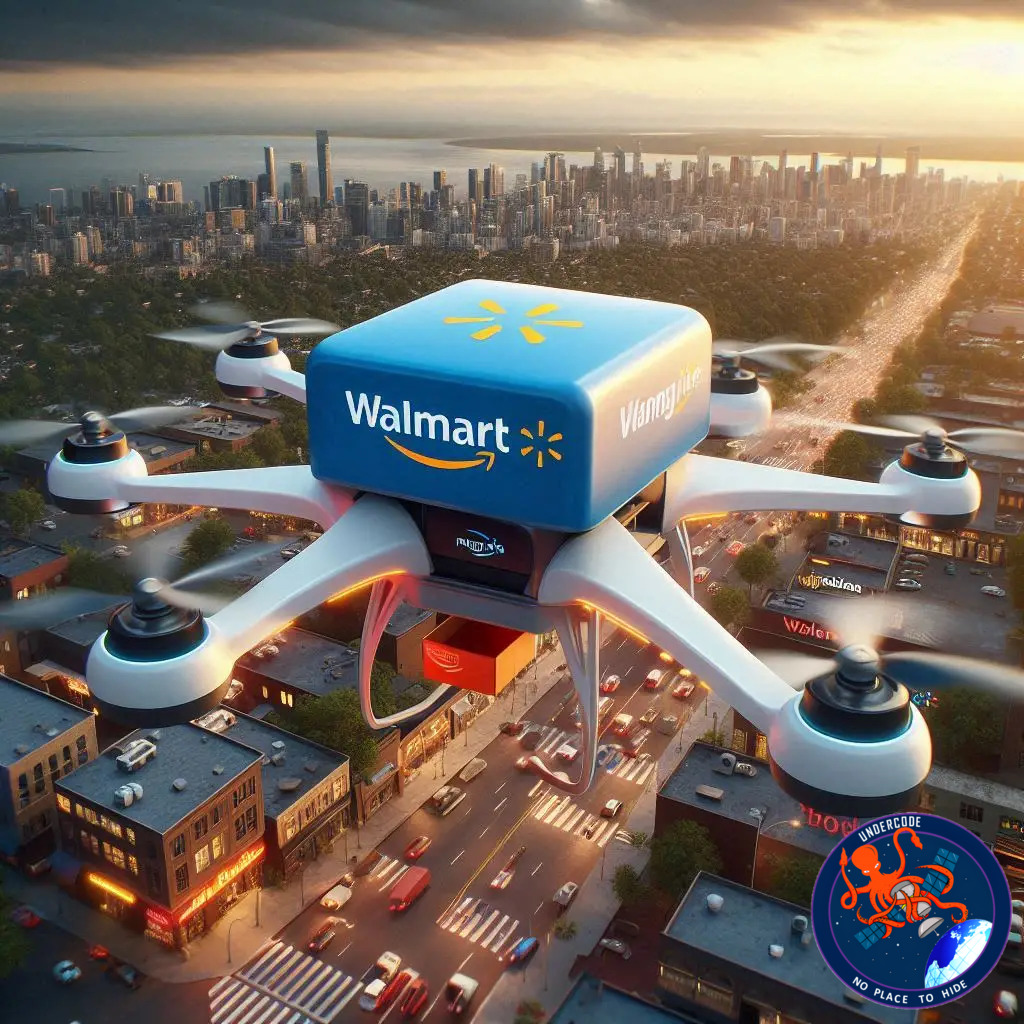
🎯 Introduction: A Turning Point for Autonomous Retail Logistics
Alphabet’s drone delivery subsidiary, Wing, is stepping into what could be its most decisive year yet. Backed by Google CEO Sundar Pichai’s public optimism and a deepening partnership with Walmart, Wing is no longer experimenting on the fringes of retail logistics. Instead, it is positioning itself as a nationwide infrastructure player. With an aggressive expansion plan, ultra-fast delivery promises, and access to America’s largest retailer, Wing is openly challenging Amazon’s long-held dominance in last-mile innovation.
🧩 A Public Vote of Confidence From Google’s Top Leadership
Google CEO Sundar Pichai has openly signaled that 2026 could mark a breakthrough year for Wing. Speaking during the NRF Big Show, Pichai highlighted the scale and ambition of the company’s collaboration with Walmart, calling it a defining moment for drone-based delivery in the United States. His remarks underscored not just optimism, but strategic intent from Alphabet’s leadership.
🧩 Walmart and Wing Announce Massive Retail Expansion
At the same event, Walmart and Wing revealed plans to extend their drone delivery service to 150 additional Walmart stores. Once fully implemented, this expansion is expected to reach as many as 40 million people, transforming what was once a pilot program into a mass-market service. The announcement positions Walmart as the largest physical retail partner in the drone delivery ecosystem.
🧩 Houston Launch Marks the Start of Nationwide Rollout
The expansion officially begins in Houston on January 15, serving as the first major testbed for scaled urban drone delivery. From there, operations will extend into major metropolitan regions including Los Angeles, St. Louis, Cincinnati, and Miami. These cities represent diverse airspace environments, population densities, and regulatory landscapes.
🧩 A Network Targeting 270 Locations by 2027
Wing has confirmed that the long-term plan involves operating across more than 270 locations by 2027. This would create one of the most extensive drone delivery networks in the country. The scale suggests Wing is preparing not for novelty, but for operational permanence in daily retail life.
🧩 Technology Built for Everyday Emergencies
Wing CEO Adam Woodworth emphasized that years of engineering and testing have gone into making drone delivery seamless and dependable. The goal is to remove friction from everyday problems, whether customers run out of groceries, need medicine, or forget a small but essential item. Speed and reliability are presented as the core value proposition.
🧩 Walmart Frames Drone Delivery as a Daily Utility
Walmart executives describe drone delivery not as a futuristic experiment, but as a normal extension of modern shopping behavior. According to company leadership, the service is increasingly woven into everyday routines for busy families, late-night shoppers, and time-sensitive needs.
🧩 Convenience as the New Competitive Battlefield
Greg Cathey, Walmart’s Senior Vice President of Digital Fulfillment Transformation, framed drone delivery as a critical pillar of Walmart’s future logistics strategy. The company sees strong customer adoption as proof that immediate fulfillment is becoming an expectation, not a luxury.
🧩 Amazon Watches Closely From the Sidelines
While Wing accelerates its rollout, Amazon continues to test its Prime Air service in limited markets. Despite years of development, Amazon’s drone program remains more cautious in scope, giving competitors like Wing an opportunity to define public perception and operational standards first.
What Undercode Say:
Wing’s expansion is not just about faster deliveries, it is about control of last-mile infrastructure. By aligning with Walmart, Wing gains something Amazon lacks in this space: thousands of physical retail locations already embedded in residential communities. This dramatically reduces the logistical friction that has slowed other drone initiatives.
Unlike Amazon, which often builds vertically integrated systems from scratch, Wing is leveraging Walmart’s existing footprint to scale faster. This partnership transforms drones from experimental aircraft into practical retail tools. The choice of cities is also strategic, focusing on dense metro areas where speed offers the highest perceived value.
Another overlooked factor is regulatory confidence. Wing has quietly accumulated years of operational data, safety records, and FAA cooperation. That institutional trust matters more than flashy demos when expanding nationwide. Walmart’s brand further stabilizes public acceptance, making drone delivery feel less intrusive and more routine.
Amazon’s Prime Air, while technologically impressive, remains constrained by limited rollout zones and cautious timelines. Wing, by contrast, is betting that normalization beats perfection. Delivering eggs, medicine, and chargers reliably at scale builds consumer habits faster than rare high-profile launches.
From a competitive standpoint, this move pressures Amazon to accelerate or risk losing narrative leadership in autonomous delivery. If customers associate drone delivery with Walmart rather than Amazon, the psychological advantage shifts. Wing does not need to replace trucks, it only needs to own urgency.
This expansion also signals a broader shift in retail logistics. The future is not warehouses versus stores, but hybrid systems where drones, local inventory, and digital ordering converge. Wing’s model suggests that autonomy works best when paired with proximity.
If successful, Wing’s network could become infrastructure rather than service, a platform others must compete against rather than replicate. That possibility explains Sundar Pichai’s confidence. Alphabet rarely makes such public endorsements unless scale is within reach.
🔍 Fact Checker Results
✅ Wing and Walmart confirmed expansion to 150 additional stores.
✅ Houston launch date aligns with January 15 rollout plans.
❌ No evidence yet that Wing has surpassed Amazon in total drone deliveries.
📊 Prediction
🚀 Wing’s partnership with Walmart will accelerate public adoption of drone delivery faster than any previous program.
📦 Amazon will likely respond with a broader Prime Air expansion within 18 months.
🛰️ By 2027, drone delivery will shift from novelty to expectation in major U.S. metro areas.
▶️ Related Video (78% Match):
🕵️📝✔️Let’s dive deep and fact‑check.
References:
Reported By: timesofindia.indiatimes.com
Extra Source Hub (Possible Sources for article):
https://www.linkedin.com
Wikipedia
OpenAi & Undercode AI
Image Source:
Unsplash
Undercode AI DI v2
Bing
🔐JOIN OUR CYBER WORLD [ CVE News • HackMonitor • UndercodeNews ]
📢 Follow UndercodeNews & Stay Tuned:
𝕏 formerly Twitter 🐦 | @ Threads | 🔗 Linkedin | 🦋BlueSky | 🐘Mastodon


