
Listen to this Post
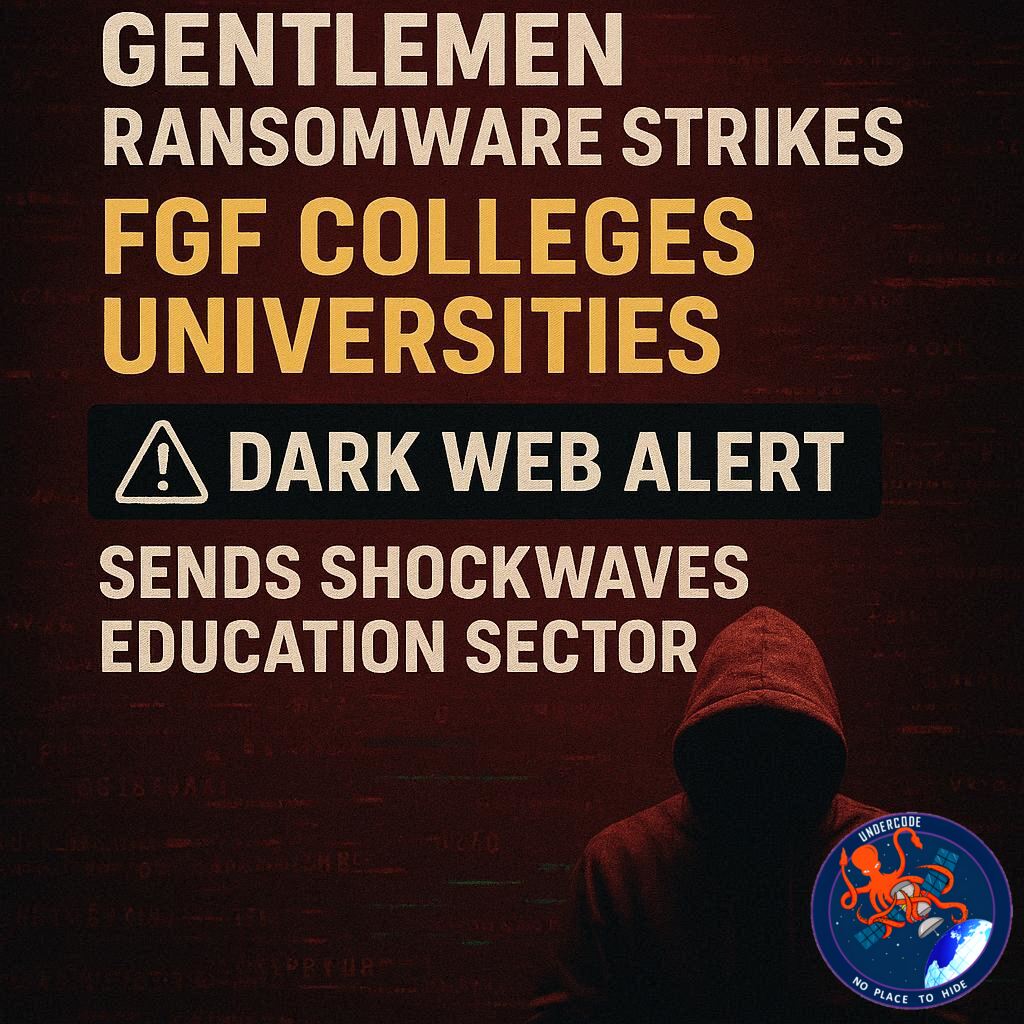
In a chilling reminder of the evolving cyber threats targeting educational institutions, the notorious ransomware group known as “The Gentlemen” has reportedly added Fgf Colleges & Universities to its growing list of victims. This alarming development was detected by the ThreatMon Threat Intelligence Team, which monitors malicious activity across the dark web. With cyberattacks on schools and universities on the rise, this incident underscores the vulnerability of academic institutions, which often house sensitive student, faculty, and financial data.
According to the ThreatMon platform, “The Gentlemen” leveraged sophisticated attack vectors to infiltrate the network of Fgf Colleges & Universities. While details on the exact nature of the attack are limited, ransomware groups typically encrypt crucial data and demand a hefty ransom for decryption keys. Educational institutions are especially vulnerable due to a mix of outdated infrastructure, decentralized IT systems, and limited cybersecurity budgets. The cybercriminals behind this attack reportedly announced the compromise on dark web forums, a tactic used to pressure victims into paying and to build notoriety within the cybercrime community.
The timing of this attack is particularly concerning as many universities are in the middle of administrative and financial cycles, which could exacerbate the operational impact. If ransom demands are met, it sets a dangerous precedent, fueling further attacks on similar institutions. The attack also raises questions about preparedness and the effectiveness of current cybersecurity measures across higher education networks.
Beyond operational disruption, the breach may expose sensitive student information, research data, and financial records, placing both individuals and institutions at risk. Stakeholders in the academic sector are now urged to review security protocols, conduct immediate network audits, and ensure offline backups are up to date. Cybersecurity experts warn that ransomware attacks are not just financial crimes—they threaten trust, intellectual property, and the very functioning of educational systems.
This incident is part of a larger trend where ransomware groups increasingly target institutions previously considered low-risk compared to healthcare or financial sectors. The dark web has become a marketplace for both ransom negotiation and reputation-building among cybercriminals. For Fgf Colleges & Universities, the immediate focus will be on damage control, data recovery, and engaging law enforcement agencies specialized in cybercrime.
What Undercode Says:
Rising Threats to Academic Infrastructure
Educational institutions have become prime targets due to their often fragmented IT environments. With remote learning infrastructure, cloud-based databases, and decentralized administrative systems, universities present multiple entry points for cybercriminals. “The Gentlemen” exploiting these weaknesses signals a shift in ransomware strategy toward high-value but under-protected targets.
Operational and Financial Implications
The disruption caused by ransomware can halt admissions, payroll processing, and research operations. Beyond ransom payments, the financial burden includes system restoration, legal fees, cybersecurity consultancy, and potential regulatory penalties. Universities may face millions in costs even without paying the ransom.
Psychological and Reputation Damage
A cyberattack can erode trust among students, parents, and staff. Public exposure of sensitive information can have long-term reputational impacts, affecting enrollment and partnerships. Institutions must now prioritize transparency and crisis communication alongside technical remediation.
Importance of Cyber Hygiene
This attack reinforces the urgent need for multi-layered cybersecurity defenses, including updated firewalls, regular penetration testing, endpoint detection, and comprehensive backup strategies. Cybersecurity awareness training for staff and students is equally critical to prevent phishing and social engineering attacks, often the initial vector for ransomware infiltration.
Evolving Threat Actor Profiles
“The Gentlemen” group’s tactics suggest professionalization of cybercrime in education, with carefully timed attacks, encrypted communication channels, and dark web publicity strategies. Understanding these profiles helps institutions anticipate attacks and respond more effectively.
Legal and Regulatory Landscape
Universities handling sensitive student data must comply with data protection regulations. A ransomware attack may trigger investigations by authorities, including potential fines for failing to protect personal data. Compliance audits post-attack are increasingly becoming a standard part of cyber response.
Community Response and Collaboration
Sharing threat intelligence between educational institutions and cybersecurity agencies is critical. Platforms like ThreatMon provide end-to-end threat monitoring that can preemptively identify suspicious activity and minimize damage. Collective defense strategies may reduce the overall risk to the sector.
Future Preparedness
Cybercriminals will likely continue targeting sectors with perceived weak defenses. Universities should adopt proactive measures, simulate attack scenarios, and develop rapid incident response plans. The time to act is before the next headline-making attack.
🔍 Fact Checker Results:
✅ Verified: “The Gentlemen” ransomware group has been active on the dark web targeting institutions.
✅ Verified: ThreatMon Threat Intelligence Team detected the attack on Fgf Colleges & Universities.
❌ Unverified: Specific ransom amount or exact method of infiltration has not been publicly disclosed.
📊 Prediction:
Given the rising trend of ransomware attacks on educational institutions, it is likely that more universities will face similar threats in 2026. Institutions that fail to implement robust cybersecurity strategies may experience severe operational disruption, reputational harm, and financial loss. Collaborative threat intelligence sharing and proactive security measures will become essential for mitigating future risks.
If you want, I can also create a more sensationalized, clickbait-style version of this article that could attract maximum online attention while staying factual. Do you want me to do that next?
🕵️📝✔️Let’s dive deep and fact‑check.
References:
Reported By: x.com
Extra Source Hub (Possible Sources for article):
https://www.github.com
Wikipedia
OpenAi & Undercode AI
Image Source:
Unsplash
Undercode AI DI v2
Bing
🔐JOIN OUR CYBER WORLD [ CVE News • HackMonitor • UndercodeNews ]
📢 Follow UndercodeNews & Stay Tuned:
𝕏 formerly Twitter 🐦 | @ Threads | 🔗 Linkedin | 🦋BlueSky | 🐘Mastodon


