
Listen to this Post
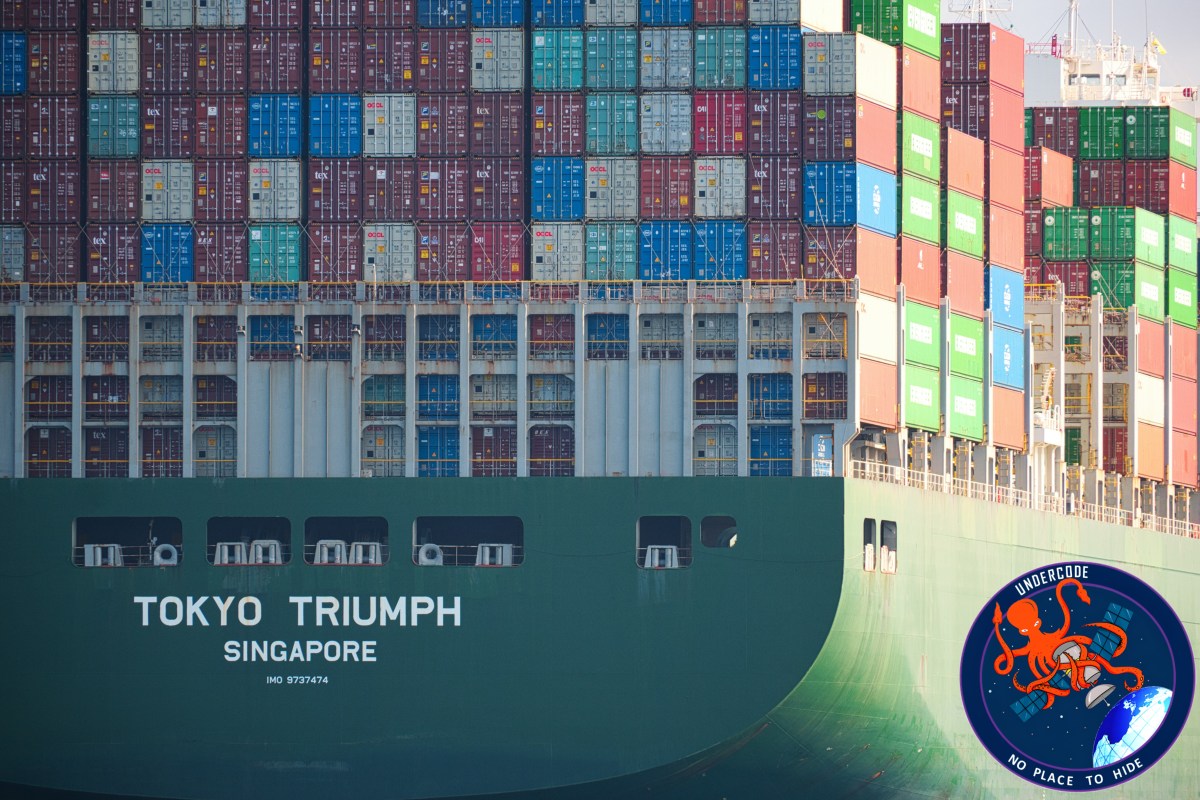
After a year of relative calm on the pricing front, early 2026 is showing signs that the cost of tariffs may finally be reaching consumers. While businesses absorbed much of the burden from sweeping trade levies last year, new data suggests that patience may be wearing thin. The result: a potential wave of price increases that could test the narrative that tariffs have had little impact on inflation.
Throughout 2025, many companies chose to hold the line on prices despite higher import costs tied to trade policies introduced under the Donald Trump administration. That restraint helped limit visible inflationary pressure, allowing policymakers to argue that tariffs were not significantly harming consumers. However, January 2026 — historically a month when companies reset pricing — may be telling a different story.
The latest data points to a sharp shift. Adobe’s Digital Price Index recorded its largest month-over-month increase in 12 years, even surpassing the surge seen during the inflation spike of 2022. Economists at UBS observed notable price jumps in categories such as electronics, furniture, bedding, and appliances — sectors heavily exposed to import costs and tariffs. They suggested that the strong January rise could signal greater “tariff pass-through” as firms begin transferring previously absorbed expenses to customers.
Still, analysts caution against overreaction. The index has shown volatility before, including a sharp decline in November, raising the possibility that January’s spike could be temporary. Official government inflation data has yet to be released, delayed amid concerns about a potential government shutdown. Yet other indicators reinforce the narrative of upward pricing pressure.
The Institute for Supply Management reported that its manufacturing price index climbed to its highest level since September. Meanwhile, anecdotal evidence compiled by the Federal Reserve suggests growing willingness among businesses to raise prices in 2026.
Regional reports highlight the trend. The Federal Reserve Bank of Atlanta noted that many firms plan to implement price increases in the first half of the year to protect margins — particularly those that held prices steady in 2025. Similarly, the Federal Reserve Bank of Philadelphia observed expectations that tariffs would gradually “seep” into broader price levels.
Speaking publicly, Tom Barkin, president of the Federal Reserve Bank of Richmond, described intense debates inside corporate boardrooms. Sales teams fear losing customers if prices rise too aggressively, while finance departments are reluctant to sacrifice margins by absorbing higher input costs. The tension underscores the delicate balancing act businesses now face.
Economists remain divided. ING’s chief international economist James Knightley expressed skepticism that tariff effects will fade quickly, suggesting that delays — including uncertainty surrounding a pending Supreme Court of the United States ruling on tariff legality — may have postponed rather than prevented price pass-through. His warning: the costs may ultimately reach consumers, just more gradually than expected.
In short, while tariffs did not trigger an immediate inflation shock, early 2026 may reveal their delayed consequences.
What Undercode Say:
The unfolding pricing dynamic reveals a classic economic lag effect. Tariffs, by design, increase input costs for import-dependent industries. But businesses rarely pass those costs on instantly. Instead, they evaluate competitive positioning, consumer sensitivity, and inventory buffers. What we are likely witnessing now is the exhaustion of those buffers.
In 2025, firms appeared to rely on margin compression and cost optimization to stay competitive. Many also hoped for policy reversals or favorable legal outcomes. The pending Supreme Court decision may have encouraged a “wait-and-see” strategy. If tariffs were overturned, raising prices prematurely could have damaged customer loyalty for no long-term benefit.
However, prolonged uncertainty creates its own pressure. Companies answer to shareholders. Earnings calls throughout 2025 reflected growing concern over profitability sustainability. If January’s pricing spike reflects coordinated industry behavior, it may indicate that firms now believe tariff costs are structural rather than temporary.
Another factor is psychology. Inflation expectations matter as much as actual cost increases. When consumers and businesses believe prices will rise, behavior changes. Companies may feel emboldened to increase prices if they perceive competitors doing the same. That collective shift can amplify inflation beyond the initial tariff effect.
The Federal Reserve’s position is delicate. If tariff-driven price increases appear temporary, tightening monetary policy could unnecessarily slow growth. Yet if the pass-through becomes persistent, the Fed may need to maintain higher interest rates for longer. Policymakers must distinguish between one-off adjustments and embedded inflation trends.
There is also a political dimension. The administration has highlighted the limited inflationary impact of tariffs as validation of its strategy. A delayed surge complicates that narrative. Inflation that re-accelerates, even modestly, could reshape voter perceptions about affordability and economic stewardship.
Importantly, not all sectors are equally exposed. Services inflation — driven largely by wages — follows different dynamics. But goods categories such as electronics and appliances are highly sensitive to import costs. If consumer demand weakens in response to higher prices, businesses could face a second-round effect: declining sales volumes.
Ultimately, the story is not simply about tariffs. It is about timing, expectations, and corporate strategy under uncertainty. The January data may be the first visible crack in a dam that held longer than many expected.
Fact Checker Results:
Current data confirms a notable January increase in private digital price indexes and survey-based manufacturing price measures.
Official federal inflation data for January 2026 remains pending at the time referenced.
No definitive evidence yet proves sustained nationwide tariff pass-through; trends require several months of confirmation.
Prediction
If January’s momentum continues into the spring, headline inflation could tick modestly higher by mid-2026, particularly in goods categories. However, unless wage growth accelerates simultaneously, the surge may stabilize after an initial adjustment phase. The more decisive factor will be the Supreme Court ruling on tariff legality: a reversal could ease forward-looking inflation expectations, while affirmation may lock in a longer period of gradual consumer price pressure.
🕵️📝✔️Let’s dive deep and fact‑check.
References:
Reported By: axioscom_1771884348
Extra Source Hub (Possible Sources for article):
https://www.stackexchange.com
Wikipedia
OpenAi & Undercode AI
Image Source:
Unsplash
Undercode AI DI v2
Bing
🔐JOIN OUR CYBER WORLD [ CVE News • HackMonitor • UndercodeNews ]
📢 Follow UndercodeNews & Stay Tuned:
𝕏 formerly Twitter 🐦 | @ Threads | 🔗 Linkedin | 🦋BlueSky | 🐘Mastodon


