
Listen to this Post
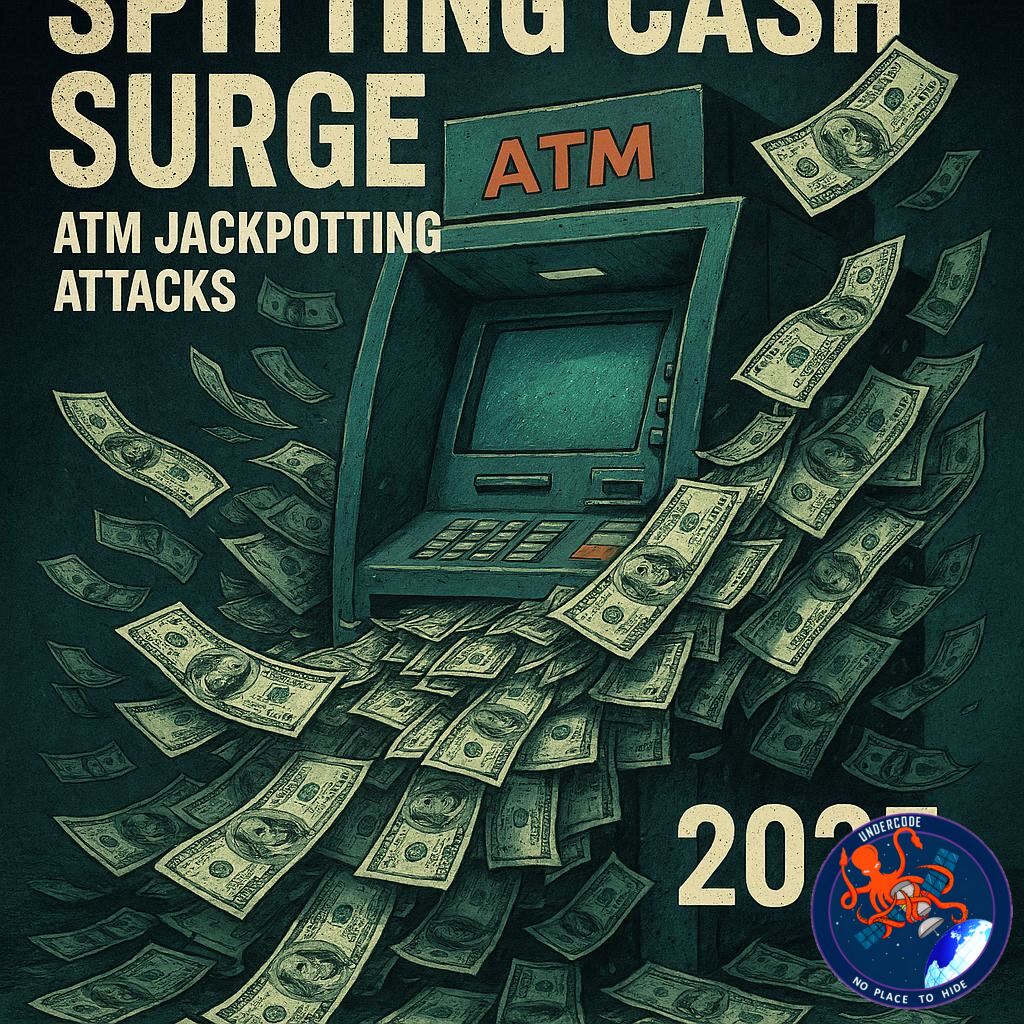
Introduction: The Unseen Risk Behind Everyday Cash
In 2025, a shadowy wave of cybercrime hit the United States with surprising intensity. While banks have invested billions in securing apps, encrypting databases, and deploying advanced fraud detection systems, one glaring vulnerability remained: ATMs. Those metal boxes of cash, ubiquitous across streets, malls, and gas stations, became the focal point of organized criminal attacks, costing financial institutions millions. Known as “ATM jackpotting,” these attacks exposed a mix of outdated technology, weak physical security, and sophisticated malware—painting a stark picture of vulnerabilities that have persisted despite years of vigilance.
The 2025 ATM Jackpotting Surge
Last year, cybercriminals successfully compromised 700 ATMs nationwide, according to the FBI, contributing to a total of 1,900 recorded incidents since 2020. Losses exceeded $20 million, highlighting the continuing allure of jackpotting for organized crime. At its core, ATM jackpotting is deceptively simple: attackers gain access to the ATM’s internal electronics, manipulate the software or hardware, and command the machine to dispense cash—no card, no PIN, no bank authorization required.
The attacks often involve malware, such as the infamous Ploutus, which exploits the XFS (eXtensions for Financial Services) layer of ATM software. Once installed, Ploutus can issue its own commands, bypassing bank authorization entirely. Attackers sometimes remove hard drives, replace them with infected versions, or compromise central administrative systems to propagate malware across multiple ATMs. These operations can produce rapid cash-outs, often undetected until after the theft has occurred.
Organized Crime Behind the Curtain
The rise in jackpotting has coincided with law enforcement crackdowns. Since December 2025, 93 individuals—including members of the Venezuelan Tren de Aragua (TdA) group—have been charged with ATM-related crimes. These individuals face penalties ranging from 20 to 355 years in prison. Investigations show a clear trend: these attacks are increasingly orchestrated by organized crime networks rather than lone hackers.
The Persistent Vulnerabilities
Experts argue that ATM jackpotting succeeds not because of advanced hacking techniques but due to overlooked vulnerabilities. Many ATMs operate on legacy systems that are hard to patch, lack endpoint protection, and rely on weak remote access controls. Physical security remains inconsistent, with ATMs in malls, gas stations, and other unattended locations providing easy opportunities for attackers. The ready availability of generic ATM keys and reverse-engineered XFS documentation only exacerbates the problem.
Security research and ATM manufacturers like Diebold Nixdorf have stressed the importance of collaboration among financial institutions. Recommendations include strengthening physical locks, deploying tamper detection mechanisms, enforcing secure boot and firmware integrity checks, and limiting remote access through multifactor authentication and least-privilege enforcement.
Technology and Malware Insights
The 2025 attacks demonstrate that malware targeting ATMs has evolved, but not radically. Ploutus remains the most commonly used tool, and its functionality is well-understood in the hacker community. Attackers often leverage open-source knowledge, cheap hardware tools, and accessible malware to carry out attacks. Combined with insufficient monitoring and outdated ATM software, these factors create a high-risk environment for cash dispensing theft.
Preventive Measures and Security Recommendations
Experts emphasize a multi-layered approach to defending ATMs:
Replace default locks and keys, ensuring physical hardware is protected.
Implement tamper-detection and alert systems.
Use BIOS protections and enforce secure boot protocols.
Apply strict IP and application whitelisting.
Regularly patch operating systems and software.
Secure remote management with multifactor authentication and eliminate shared credentials.
Without these measures, ATMs remain an enticing, low-resistance target for criminal networks.
What Undercode Say:
The surge in ATM jackpotting highlights a glaring disconnect in banking cybersecurity strategies. While digital platforms and online banking receive robust protections, physical cash machines continue to operate under decades-old paradigms, making them prime targets for exploitation. The criminal approach is elegant in its simplicity: leverage outdated hardware, exploit weak access controls, and combine with widely available malware tools to orchestrate rapid cash extraction.
The involvement of organized crime groups like TdA signals a significant evolution in the threat landscape. These are not opportunistic attacks by isolated hackers; they are coordinated, well-planned operations backed by networks capable of sustaining prolonged campaigns. This trend underscores the need for institutions to adopt a holistic security model that bridges both digital and physical domains.
From a technical standpoint, the prevalence of legacy operating systems in ATMs is a critical weakness. Unlike modern endpoints, these systems often cannot support contemporary cybersecurity measures, creating a persistent attack surface. Additionally, the human factor—negligent maintenance, shared credentials, or lax physical security—amplifies the risk.
Interestingly, malware such as Ploutus shows how attackers can exploit system design rather than circumvent high-level banking controls. By targeting the ATM hardware and software interface directly, criminals bypass the entire network security stack, demonstrating that effective cybersecurity requires attention to endpoints that bridge the physical and digital worlds.
The financial impact of jackpotting extends beyond immediate cash losses. Each attack erodes consumer trust, forces costly audits and hardware replacements, and increases insurance premiums. Banks are thus incentivized to adopt preventive security measures, yet resistance persists due to operational costs and legacy system dependencies.
Physical security innovations—tamper-proof locks, reinforced housings, surveillance, and proximity alarms—must complement software protections. Cybersecurity policies should mandate strict operational protocols for ATM maintenance and patching, while also limiting remote access privileges and continuously monitoring for anomalies.
Moreover, open-source research and widely available hacking tools present a dual-edged sword: they accelerate learning for security teams but also equip threat actors. As such, proactive threat intelligence, penetration testing, and collaborative information-sharing frameworks become essential to staying ahead.
In essence, 2025’s ATM attacks demonstrate a critical lesson: cybersecurity cannot be siloed. Threats exploit gaps across digital, physical, and human domains. The focus must shift toward integrated defense models that combine endpoint hardening, malware detection, physical security, and continuous monitoring. Financial institutions that embrace this comprehensive strategy can significantly mitigate the risks posed by both opportunistic attackers and organized crime syndicates.
Fact Checker Results:
✅ FBI reports 700 ATMs attacked in 2025.
✅ $20 million estimated losses confirmed by banking and DOJ statements.
✅ Ploutus identified as primary malware targeting XFS ATM systems.
Prediction:
📊 The trend of ATM jackpotting will likely continue into 2026 and beyond unless banks implement stricter endpoint and physical security measures. Organized crime groups will refine attack methods, possibly combining digital intrusion with coordinated insider access. Expect regulatory pressure on ATM operators to enforce standardized cybersecurity and tamper detection, alongside AI-driven monitoring to detect anomalous dispenser commands in real time.
▶️ Related Video (88% Match):
🕵️📝✔️Let’s dive deep and fact‑check.
References:
Reported By: www.darkreading.com
Extra Source Hub (Possible Sources for article):
https://www.pinterest.com
Wikipedia
OpenAi & Undercode AI
Image Source:
Unsplash
Undercode AI DI v2
Bing
🔐JOIN OUR CYBER WORLD [ CVE News • HackMonitor • UndercodeNews ]
📢 Follow UndercodeNews & Stay Tuned:
𝕏 formerly Twitter 🐦 | @ Threads | 🔗 Linkedin | 🦋BlueSky | 🐘Mastodon


