
Listen to this Post
Introduction: A New Cybersecurity Alarm From the Netherlands
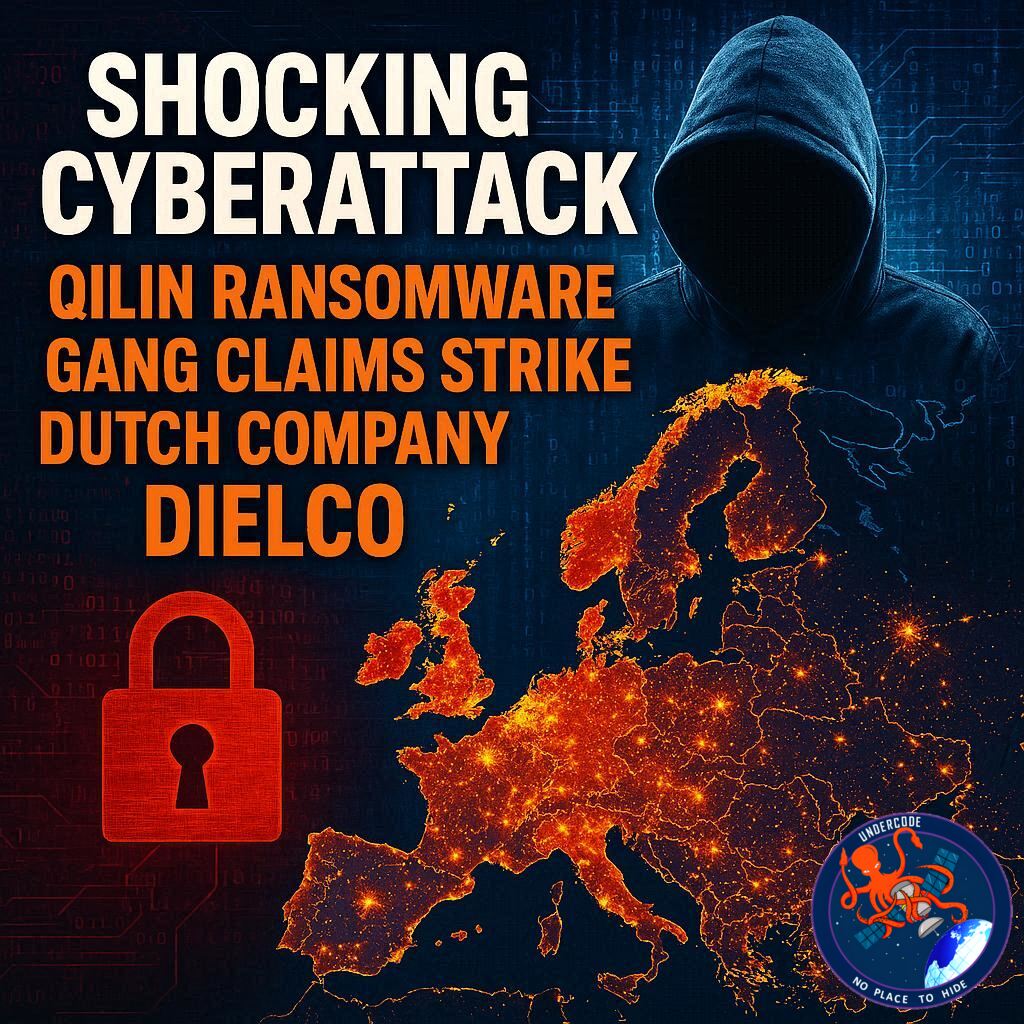
A new cybersecurity incident has emerged in Europe after a ransomware group publicly claimed responsibility for attacking a Dutch company. The threat actor, known as Qilin, reportedly targeted Dielco, a company located in the Netherlands.
The incident, first reported on March 7, 2026, has raised immediate concerns among cybersecurity professionals and organizations across Europe. While the attackers claim responsibility, critical details such as the ransomware payload used, the scale of the breach, and the demanded ransom amount remain undisclosed.
Despite the limited information currently available, the announcement alone signals a potential cybersecurity crisis. Ransomware groups often publicize attacks early to pressure victims into paying quickly, especially when sensitive corporate data might be involved.
Initial Discovery of the Cyberattack
The cyberattack was reportedly discovered on March 7, 2026, when the ransomware group made a claim that it had successfully breached systems belonging to Dielco. Such claims are commonly posted by ransomware groups through dark web leak sites or affiliated monitoring channels that track cyber incidents.
At the moment, there is no publicly available confirmation from Dielco regarding the breach, leaving analysts to rely primarily on threat intelligence monitoring sources that track ransomware activity globally.
The Role of the Qilin Ransomware Group
The group behind the alleged attack, Qilin, has been increasingly active in the ransomware ecosystem. Cybersecurity researchers have previously linked the group to a variety of corporate attacks targeting organizations across multiple sectors.
Qilin operates under a ransomware-as-a-service model, where the core developers provide tools and infrastructure while affiliated hackers execute the attacks. This structure allows the group to scale its operations rapidly and conduct simultaneous campaigns worldwide.
Limited Technical Details About the Attack
At the time of reporting, no technical breakdown of the attack has been released. Analysts do not yet know the specific malware variant, the exploitation method, or whether the attackers gained access through phishing, stolen credentials, or vulnerability exploitation.
Equally unclear is whether any sensitive corporate or customer data was exfiltrated before the ransomware deployment. Data theft has become a common tactic in modern ransomware attacks, allowing criminals to threaten victims with public leaks if ransom payments are refused.
Ransom Demands Remain Unknown
One of the most notable missing details is the ransom amount demanded by the attackers. Ransomware groups often tailor their demands based on the victim organization’s size, revenue, and perceived ability to pay.
In recent ransomware cases involving European companies, ransom demands have ranged from hundreds of thousands to tens of millions of dollars. However, without confirmation from Dielco or the attackers themselves, the financial scope of this incident remains speculative.
Rising Ransomware Threats Across Europe
This incident comes amid a broader surge in ransomware attacks targeting organizations across Europe. Governments, healthcare providers, manufacturing firms, and logistics companies have all been frequent victims in recent years.
Cybercriminal groups have increasingly shifted their focus toward European targets due to varying cybersecurity maturity levels and regulatory environments across different countries.
Why Companies Often Stay Silent After an Attack
Organizations frequently avoid immediately confirming ransomware incidents. Public disclosure can damage reputation, affect stock prices, and create legal liabilities depending on the nature of the breach.
Companies may also delay statements while internal investigations are underway. Digital forensics teams typically need time to determine the attack timeline, affected systems, and whether sensitive data was compromised.
The Growing Influence of Ransomware Leak Sites
Modern ransomware operations rely heavily on public leak sites where attackers list victims and threaten to release stolen data. These platforms act as psychological pressure tools designed to force organizations into paying quickly.
If the claim by Qilin is accurate, Dielco could eventually appear on such a site if negotiations fail or if the attackers attempt to increase public pressure.
What Undercode Says:
The Strategic Timing of Public Attack Claims
Ransomware groups increasingly announce attacks before the full technical details emerge. This tactic is not accidental—it is part of a calculated psychological strategy designed to control the narrative before the victim organization can respond publicly.
By announcing the breach first, groups like Qilin attempt to create a sense of urgency. Companies suddenly face media scrutiny, internal panic, and the possibility of customer mistrust before they even complete their internal investigation.
Ransomware as a Business Model
The modern ransomware ecosystem functions more like a structured criminal economy than random hacking. Groups operate development teams, affiliate recruitment programs, and even customer-support style negotiation portals.
This industrialization of cybercrime means attacks can occur more frequently and on a larger scale. Even mid-sized companies—once considered low-value targets—now face the same threats as large enterprises.
Why European Companies Are Increasingly Targeted
European organizations have become particularly attractive to ransomware groups for several reasons. First, the region hosts many high-value manufacturing and logistics companies that rely heavily on continuous operations.
Second, regulatory frameworks such as GDPR introduce additional pressure. If attackers steal sensitive data, the victim company may face regulatory penalties in addition to operational disruption, making them more likely to pay quickly.
The Information Gap During Early Breach Reports
In the first hours or days after an attack claim, there is often a major information vacuum. Security researchers may only know that a group claims responsibility, without evidence confirming whether the attack actually occurred.
This uncertainty creates a complicated situation for journalists, cybersecurity teams, and the affected company. Premature reporting risks spreading misinformation, while waiting too long may allow attackers to control the narrative.
The Role of Threat Intelligence Communities
Cybersecurity monitoring networks and threat intelligence communities play a critical role in identifying and tracking ransomware activity. They frequently detect early signals of attacks long before official statements emerge.
These communities often monitor underground forums, dark web leak sites, and criminal infrastructure. Their alerts provide early warnings that allow organizations to investigate potential breaches faster.
Data Extortion Is Now the Real Weapon
Traditional ransomware focused solely on encrypting systems. Modern ransomware operations, however, prioritize data theft first. Once sensitive data is stolen, encryption becomes just one of several pressure tactics.
This strategy significantly increases the attackers’ leverage. Even if the victim restores systems from backups, they still face the risk of confidential data being leaked publicly.
The Psychological Warfare of Cybercrime
Ransomware groups increasingly rely on psychological pressure instead of purely technical attacks. Public claims, countdown timers, and data leak threats are all part of a broader strategy designed to break resistance.
In many cases, the goal is not just technical disruption but emotional and reputational damage that forces quick decision-making under stress.
Why Transparency Is Becoming Essential
Organizations that respond quickly and transparently to cyber incidents often recover faster. Clear communication can prevent rumors from spreading and maintain trust with customers and partners.
However, many companies still hesitate to provide early disclosures due to legal concerns, insurance policies, and ongoing investigations.
🔍 Fact Checker
Claim: Qilin announced an attack on Dielco
✅ Ransomware monitoring sources reported that the Qilin group publicly claimed the incident.
Claim: Technical details of the attack are known
❌ No confirmed payload, attack vector, or ransom amount has been disclosed.
Claim: The attack was discovered on March 7, 2026
✅ Monitoring reports indicate that the incident surfaced on that date.
📊 Prediction
Rising Activity From Qilin in 2026
If historical patterns continue, the Qilin ransomware group is likely to increase its activity throughout 2026. Groups that successfully gain media visibility often accelerate operations to exploit their growing reputation.
More European Companies May Be Targeted
Europe’s industrial sector remains highly attractive to ransomware groups. Manufacturing, logistics, and engineering companies often operate legacy infrastructure that can be difficult to secure fully.
This makes them ideal targets for cybercriminal groups seeking high-impact disruptions.
The Attack Could Reveal Larger Campaigns
Many ransomware incidents initially appear isolated but later turn out to be part of broader campaigns targeting specific industries or regions.
If investigators confirm the Dielco breach, it may reveal additional victims or previously unnoticed intrusion attempts connected to the same ransomware operation.
🕵️📝✔️Let’s dive deep and fact‑check.
References:
Reported By: x.com
Extra Source Hub (Possible Sources for article):
https://www.quora.com
Wikipedia
OpenAi & Undercode AI
Image Source:
Unsplash
Undercode AI DI v2
Bing
🔐JOIN OUR CYBER WORLD [ CVE News • HackMonitor • UndercodeNews ]
📢 Follow UndercodeNews & Stay Tuned:
𝕏 formerly Twitter 🐦 | @ Threads | 🔗 Linkedin | 🦋BlueSky | 🐘Mastodon


