
Listen to this Post
Introduction
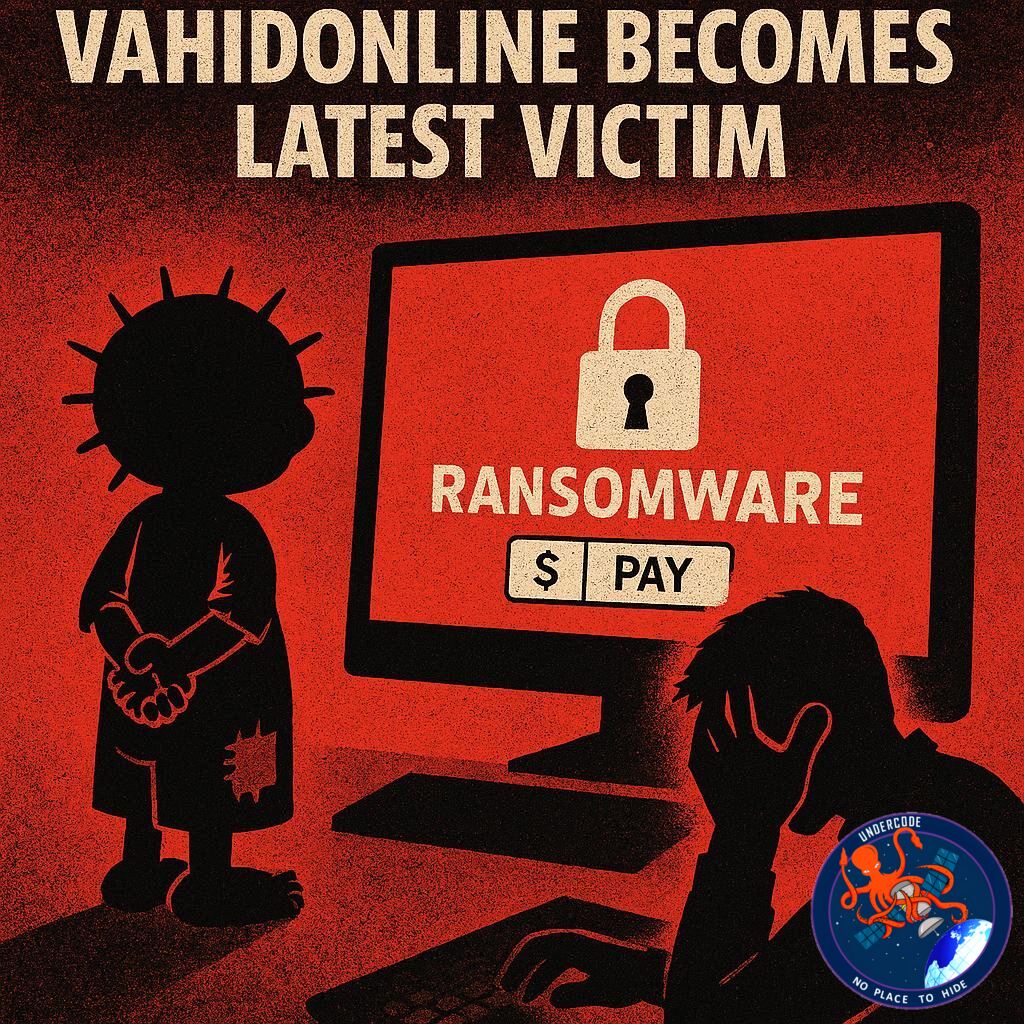
In a chilling escalation of cybercrime, the notorious ransomware group Handala has reportedly targeted the popular online entity VahidOnline. This incident, detected by the ThreatMon Threat Intelligence Team, highlights the growing sophistication of ransomware attacks on high-profile digital platforms. As ransomware continues to threaten both businesses and individual users, cybersecurity experts warn that no online presence is completely safe.
the Incident
On March 17, 2026, at 11:11 UTC +3, Handala ransomware infiltrated VahidOnline, adding it to its growing list of victims. The attack was immediately flagged by the ThreatMon End-to-End Threat Intelligence Platform, which monitors indicators of compromise (IOC) and command-and-control (C2) infrastructure for suspicious activity. Handala, previously linked to multiple high-profile cyberattacks, has leveraged advanced encryption methods to lock victims’ digital assets and demand ransoms, typically in cryptocurrency.
The attack appears consistent with Handala’s known modus operandi: targeting influential online figures and digital platforms that hold valuable information. While the exact motive behind this specific attack has not been disclosed, ransomware analysts suggest that such operations are often financially motivated but can also serve as tools for coercion or political messaging.
Reports indicate that social media channels quickly became abuzz following the revelation, with thousands tracking the unfolding situation. As of the initial alert, there have been no confirmed statements from VahidOnline regarding the attack, leaving users and stakeholders anxious about potential data breaches. ThreatMon’s platform continues to track and update real-time intelligence, providing security teams worldwide with actionable insights to counter the threat.
What Undercode Says:
The Rising Threat of Ransomware Groups
Ransomware groups like Handala are evolving at an alarming pace. What used to be opportunistic attacks are now meticulously planned, with attackers carefully selecting targets that can yield the highest financial or reputational payoff. VahidOnline’s inclusion in this list demonstrates that even well-known digital entities are not immune.
Impact on Digital Trust
Cyberattacks of this magnitude severely affect user trust. Audiences rely on online platforms for reliable information, and a breach can quickly erode credibility. For content creators and online services, maintaining cybersecurity is no longer optional—it’s essential for survival.
Financial Implications
Ransomware attacks are increasingly monetized through cryptocurrency, making tracing and recovery more complex. Victims may face not only ransom payments but also long-term revenue losses, reputational damage, and regulatory fines for data breaches.
Importance of Threat Intelligence
The role of platforms like ThreatMon is becoming critical. Continuous monitoring of IOC and C2 data allows companies to anticipate threats, respond quickly, and reduce potential damage. Early detection is often the difference between a contained incident and a catastrophic breach.
Broader Cybersecurity Trends
Handala’s attack on VahidOnline signals broader trends in global cybersecurity: ransomware groups are becoming more strategic, targeting high-value individuals and platforms, often accompanied by public shaming or leak threats to pressure victims. This represents a shift from random attacks to targeted digital warfare.
Lessons for Organizations
Organizations must implement layered cybersecurity measures, including regular backups, encrypted storage, and incident response planning. Staff training on phishing and social engineering tactics is also critical, as human error remains a leading cause of successful ransomware infiltration.
Regulatory and Legal Pressures
Governments worldwide are tightening regulations around digital security and ransomware response. Companies that fail to protect sensitive data may face fines, legal consequences, and increased public scrutiny. In this context, proactive measures and compliance with cybersecurity laws are more important than ever.
Future-Proofing Against Ransomware
As ransomware groups refine their methods, organizations must adopt proactive, intelligence-driven security approaches. This includes real-time threat monitoring, AI-assisted anomaly detection, and partnerships with global cybersecurity networks to stay ahead of attackers.
The Psychological Toll
Victims of ransomware also face psychological stress, from uncertainty about data loss to fear of public exposure. Ensuring transparent communication and professional support during such crises is essential for minimizing long-term damage.
International Cooperation
Handala’s activities highlight the need for cross-border cybersecurity collaboration. Sharing threat intelligence, harmonizing regulations, and coordinated response efforts are crucial to mitigating ransomware impacts globally.
Technological Countermeasures
Advanced encryption detection, intrusion prevention systems, and AI-driven predictive analytics are now key tools in defending against ransomware. Investments in cybersecurity technology are increasingly seen as a business necessity rather than a discretionary expense.
Lessons for Individuals
Even individuals with smaller digital footprints must remain vigilant. Strong passwords, two-factor authentication, and awareness of phishing campaigns can significantly reduce the risk of ransomware infection.
Reputation Management
For public figures and digital brands, ransomware attacks can irreparably damage reputation. Swift communication, transparency, and demonstrating robust security measures are vital for retaining public trust.
Long-Term Implications
Repeated attacks on influential platforms like VahidOnline could encourage ransomware groups to escalate demands or employ more aggressive tactics, making preemptive defenses and crisis planning crucial.
Cybersecurity Awareness
Raising awareness about ransomware among users, organizations, and policymakers is essential to building a resilient digital ecosystem. Education, training, and public campaigns can reduce the success rate of these attacks.
Economic Consequences
The financial impact of ransomware extends beyond ransom payments: disrupted operations, lost business opportunities, and reputational harm can cost victims millions in USD, underscoring the need for comprehensive risk management strategies.
Summary Analysis
Handala’s attack on VahidOnline illustrates the ongoing evolution of ransomware threats, the critical role of threat intelligence, and the urgent need for organizations to strengthen cybersecurity practices. With digital dependence growing globally, no platform is entirely immune.
🔍 Fact Checker Results
✅ Handala ransomware is a verified threat actor linked to multiple past attacks.
✅ ThreatMon provides real-time IOC and C2 tracking for cybersecurity threats.
❌ No official confirmation from VahidOnline about the breach has been publicly released yet.
📊 Prediction
Ransomware attacks like Handala’s targeting high-profile digital platforms are likely to increase in 2026. Organizations with robust threat intelligence systems and proactive cybersecurity protocols will fare better, but overall digital risk will continue to rise. Stakeholders should prepare for faster response requirements, larger ransom demands, and more public exposure of incidents as these groups grow more audacious.
🕵️📝✔️Let’s dive deep and fact‑check.
References:
Reported By: x.com
Extra Source Hub (Possible Sources for article):
https://www.quora.com/topic/Technology
Wikipedia
OpenAi & Undercode AI
Image Source:
Unsplash
Undercode AI DI v2
Bing
🔐JOIN OUR CYBER WORLD [ CVE News • HackMonitor • UndercodeNews ]
📢 Follow UndercodeNews & Stay Tuned:
𝕏 formerly Twitter 🐦 | @ Threads | 🔗 Linkedin | 🦋BlueSky | 🐘Mastodon


