
Listen to this Post
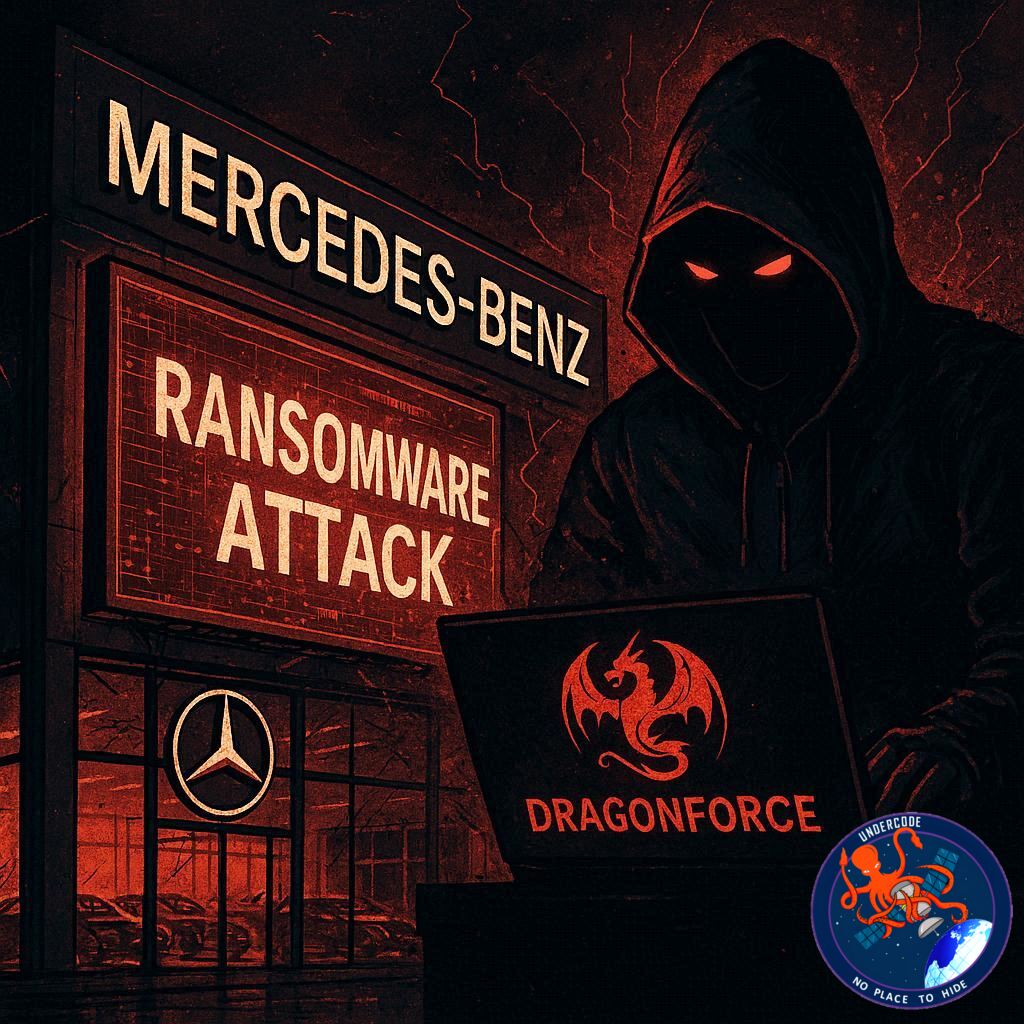
A Sudden Cyberattack Shakes a Major U.S. Car Dealership
A major cybersecurity incident has disrupted operations at a U.S.-based Mercedes-Benz dealership, raising serious concerns about the growing vulnerability of the automotive retail sector. The dealership, located in Arlington, fell victim to a ransomware attack orchestrated by a threat group known as DragonForce. This attack did not just halt daily operations—it also involved the encryption of critical systems and the theft of sensitive data, leaving the company under intense pressure from extortion demands.
Systems Locked and Data Stolen in Coordinated Assault
According to initial reports, DragonForce executed a well-planned cyberattack that targeted the dealership’s internal systems. Key infrastructure was encrypted, rendering employees unable to access essential tools needed to conduct business. At the same time, attackers reportedly exfiltrated valuable data, creating a dual-threat scenario: operational paralysis combined with the risk of data exposure.
The nature of ransomware attacks has evolved significantly in recent years. No longer limited to simple system lockouts, modern attackers use a “double extortion” strategy—encrypting data while also threatening to leak it unless a ransom is paid. This appears to be the case in the Arlington incident, where the attackers are leveraging both disruption and reputational risk to maximize pressure.
Automotive Industry Increasingly Targeted by Cybercriminals
The attack highlights a growing trend: cybercriminal groups are increasingly targeting the automotive sector. Dealerships, often handling large volumes of financial transactions and sensitive customer information, present attractive targets. Unlike large automakers with robust cybersecurity defenses, individual dealerships may lack the same level of protection, making them more vulnerable.
This incident is not isolated. Around the same time, another threat group known as Akira claimed responsibility for breaching a construction company, threatening to release approximately 20GB of sensitive data. These parallel attacks underscore a broader pattern of escalating cyber threats across multiple industries.
Business Operations Disrupted Amid Rising Tensions
For the Arlington dealership, the consequences are immediate and severe. With systems offline, daily operations—from sales processing to customer service—have been significantly disrupted. Employees are unable to access records, process transactions, or communicate effectively within internal systems.
Meanwhile, customers may face delays or uncertainty regarding their purchases, service appointments, or financial data. The longer the systems remain compromised, the greater the potential financial and reputational damage to the business.
The Growing Threat of Ransomware Groups Like DragonForce
DragonForce represents a new generation of ransomware operators that are highly organized and strategic. These groups often function like businesses themselves, complete with structured operations, negotiation tactics, and even customer “support” channels for victims willing to pay.
Their methods typically involve exploiting vulnerabilities, gaining unauthorized access, and moving laterally across networks before launching the final encryption attack. By the time the victim becomes aware, the attackers already have full control and have extracted sensitive data.
What Undercode Says:
The Silent Expansion of Cybercrime into Everyday Businesses
What stands out most in this incident is not just the attack itself, but the type of target. A dealership—once considered a relatively low-risk entity in cybersecurity terms—has now become a prime target. This signals a shift in cybercriminal strategy, where attackers are moving beyond large corporations and focusing on mid-sized, operationally critical businesses that may lack enterprise-grade defenses.
Double Extortion Is No Longer Optional—It’s the Standard
The DragonForce attack reinforces the reality that double extortion has become the default playbook. Encryption alone is no longer enough leverage. Attackers now ensure that even if backups exist, victims still face the threat of public data exposure. This dramatically increases the likelihood of ransom payments, especially for businesses concerned about customer trust and legal consequences.
The Weak Link: Distributed Infrastructure in Dealership Networks
Car dealerships often operate with fragmented IT systems—sales platforms, financing tools, inventory databases, and customer management systems. This distributed infrastructure can create multiple entry points for attackers. If even one system is inadequately secured, it can serve as a gateway to the entire network.
Human Factor Remains a Critical Vulnerability
While technical vulnerabilities are often blamed, human error continues to play a major role. Phishing emails, weak passwords, and poor security awareness can easily open the door for attackers like DragonForce. In many ransomware cases, the initial breach is traced back to simple mistakes rather than sophisticated exploits.
Financial Impact Could Extend Beyond Immediate Losses
The immediate disruption is only the beginning. Long-term consequences may include regulatory fines, lawsuits, customer churn, and increased cybersecurity costs. For a dealership, where trust and reputation are key, the damage could linger long after systems are restored.
Cyber Insurance May Not Be the Safety Net Companies Expect
Many businesses rely on cyber insurance as a fallback, but insurers are becoming increasingly cautious. Policies now often include strict requirements, and payouts may be denied if security standards were not met. This leaves companies exposed even after investing in coverage.
The Psychological Warfare of Ransomware Negotiations
Modern ransomware attacks are as much psychological as they are technical. Attackers use urgency, fear, and pressure tactics to push victims into paying quickly. The threat of leaked data—especially customer financial information—creates a high-stakes environment where decision-making becomes extremely difficult.
Industry-Wide Implications Are Hard to Ignore
This incident should serve as a wake-up call for the entire automotive retail industry. Cybersecurity can no longer be treated as an afterthought or a compliance checkbox. It must become a core component of business strategy, with continuous investment in prevention, detection, and response.
🔍 Fact Checker Results
Verified Attack Details
✅ Reports confirm a ransomware attack targeting a Mercedes-Benz dealership in Arlington, involving encrypted systems and stolen data.
Corroborated Threat Trends
✅ The rise of double extortion tactics is widely documented across multiple cybersecurity cases.
Limited Public Disclosure
❌ Specific technical details about DragonForce’s methods in this incident remain undisclosed, limiting full verification of attack vectors.
📊 Prediction
Escalation of Targeted Attacks on Dealerships
Ransomware groups will increasingly target automotive dealerships due to their financial data and relatively weaker defenses.
Surge in Double Extortion Cases
Expect a continued rise in attacks combining encryption with data leaks, making recovery more complex and costly.
Regulatory Pressure Will Intensify
Governments may introduce stricter cybersecurity requirements for businesses handling consumer financial data, including dealerships.
Cybersecurity Spending Will Spike
Companies in the automotive retail sector will likely increase investment in advanced threat detection, employee training, and incident response systems to prevent similar attacks.
🕵️📝✔️Let’s dive deep and fact‑check.
References:
Reported By: x.com
Extra Source Hub (Possible Sources for article):
https://www.facebook.com
Wikipedia
OpenAi & Undercode AI
Image Source:
Unsplash
Undercode AI DI v2
Bing
🔐JOIN OUR CYBER WORLD [ CVE News • HackMonitor • UndercodeNews ]
📢 Follow UndercodeNews & Stay Tuned:
𝕏 formerly Twitter 🐦 | @ Threads | 🔗 Linkedin | 🦋BlueSky | 🐘Mastodon


