
Listen to this Post
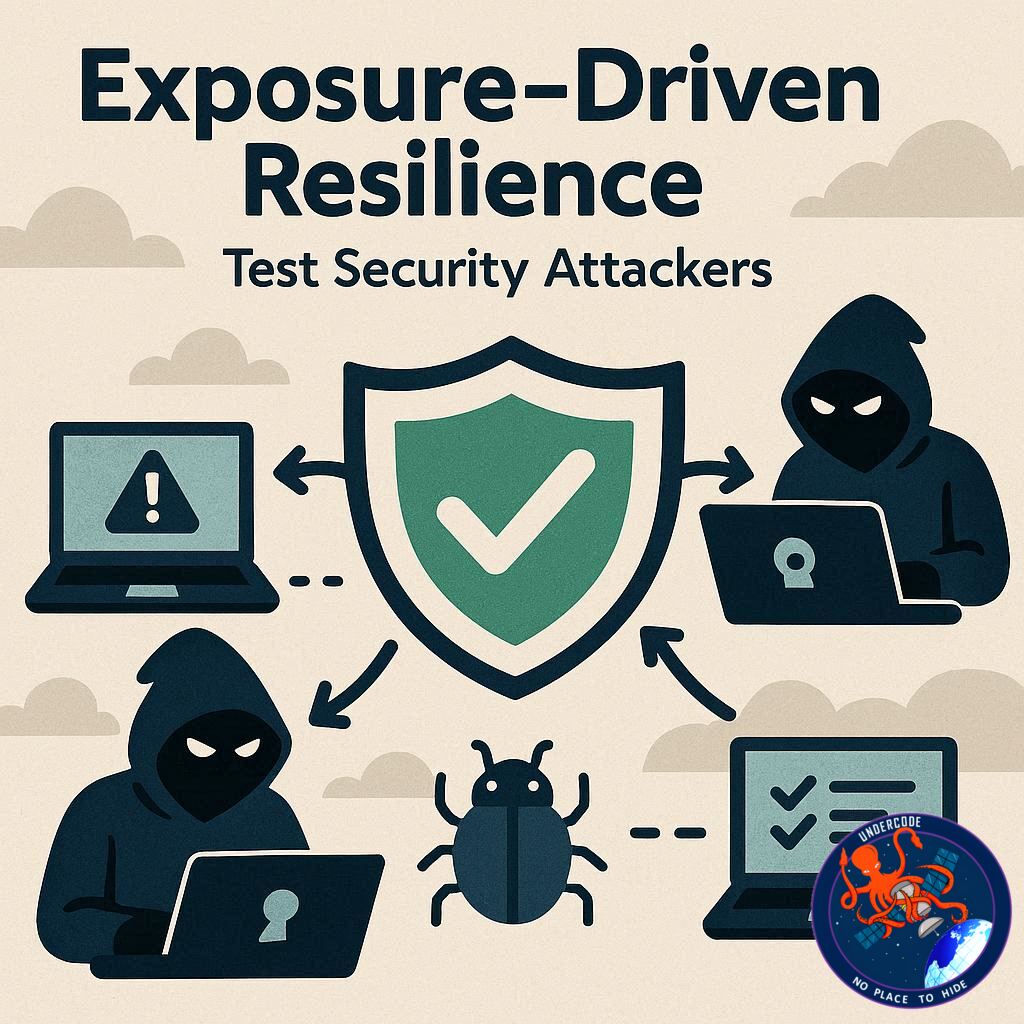
In today’s digital world, many organizations believe they’re secure simply because they have tools, dashboards, and alerts in place. Security teams watch metrics, receive threat intelligence updates, and feel confident that their defenses are sufficient. But confidence isn’t proof. The real question remains: if an attacker tried to breach your systems right now, would your defenses actually stop them? This article explores a practical approach to bridging that gap—validating security posture through continuous, exposure-driven testing.
Understanding the Reality of Security Tools
Most security teams operate under the assumption that having controls automatically equals protection. Detection rules are active, monitoring alerts are firing, and dashboards are constantly updated. On the surface, everything appears well-managed. However, without rigorous testing against real attack scenarios, this confidence is largely theoretical. A control may exist, but that doesn’t guarantee it will work when it’s truly needed. The same applies to threat detection—alerts may trigger in theory, but are they effective under pressure from a skilled attacker?
The Gap in Security Assurance
The core challenge is simple yet critical: organizations rarely test how their defenses perform against live, step-by-step attack scenarios. This leaves a significant blind spot. Teams may know what controls they have but lack empirical evidence that those controls can withstand determined adversaries. Security audits and compliance checks often provide a false sense of reassurance because they focus on presence, not performance.
Introducing Exposure-Driven Resilience
The upcoming webinar, Exposure-Driven Resilience: Automate Testing to Validate & Improve Your Security Posture, is designed to address this very gap. Its central principle is clear: stop guessing, start proving. Instead of relying on infrequent testing or assumptions, the session demonstrates how organizations can continuously validate their security posture using the techniques and behaviors of real attackers.
Pressure-Testing Controls and Processes
The webinar emphasizes practical strategies to test not just security tools but also operational processes. By simulating attacks, teams can identify weaknesses in both automated controls and human workflows. Threat intelligence becomes a guide for targeted testing, ensuring that every simulation is relevant to the latest attacker tactics.
Integrating into Everyday Security Operations
One of the session’s key benefits is its focus on operational integration. Automated testing doesn’t have to disrupt daily Security Operations Center (SOC) routines or incident response workflows. Instead, it can complement existing processes, providing actionable insights without unnecessary complexity.
Real-World Demonstrations
Experts Jermain Njemanze and Sébastien Miguel will lead the session, showcasing how exposure-driven resilience works in practice. Attendees will see live demonstrations of testing methodologies, illustrating how continuous validation can uncover gaps that traditional monitoring often misses.
The Importance of Proof Over Assumptions
At its core, this approach shifts the mindset from trusting that defenses exist to proving that they work. Organizations gain measurable confidence in their security posture, reducing the likelihood of catastrophic breaches. Rather than waiting for incidents to reveal vulnerabilities, exposure-driven testing empowers teams to proactively strengthen defenses.
Operational Benefits Beyond Security
Continuous validation also benefits operational efficiency. By identifying weak points early, teams can prioritize remediation efforts, allocate resources more effectively, and ensure compliance with evolving regulatory requirements. It’s a proactive approach that transforms security from reactive to strategic.
What Undercode Says:
Continuous Validation is Non-Negotiable
Organizations relying solely on dashboards and alerts are operating on assumptions. Exposure-driven testing ensures security investments are actually effective, rather than just present.
Threat Intelligence as a Tactical Tool
Leveraging threat intelligence to guide testing transforms passive data into actionable scenarios. Teams can focus on likely attack paths instead of testing everything blindly.
Closing Gaps in Security Processes
Human processes often fail under attack pressure. Simulations reveal procedural weaknesses and provide insight into staff readiness, improving incident response over time.
Integrating Testing into Daily SOC Operations
Embedding automated testing into daily routines avoids disruption while generating continuous feedback. This allows security teams to iterate and strengthen defenses without operational bottlenecks.
Live Demonstrations Drive Understanding
Seeing real-world simulations helps teams grasp practical application, ensuring that strategies are not theoretical but actionable.
Cost-Effectiveness of Targeted Testing
By focusing on the most probable attack scenarios, organizations can optimize spending while maximizing security effectiveness.
Building a Culture of Security Proof
Shifting from a “checklist” mentality to one of proof fosters a culture where security is continually verified, not assumed.
Preparing for Advanced Threats
Exposure-driven resilience ensures defenses are tested against advanced attack techniques, not just known vulnerabilities, reducing long-term risk.
Measuring Security Posture Over Time
Continuous testing allows organizations to track improvements, quantify risk reduction, and justify security investments with data.
Enhancing Compliance Confidence
Proactive testing supports regulatory compliance by providing tangible evidence of effective controls rather than theoretical adherence.
Actionable Insights for Leadership
Security leaders gain visibility into true operational effectiveness, enabling informed decision-making and strategic planning.
Reducing Incident Response Surprises
Simulations reveal potential blind spots before they manifest in real incidents, shortening response times and minimizing impact.
Aligning Security Strategy with Business Goals
Effective security isn’t just about tools—it’s about protecting business-critical assets. Exposure-driven resilience ensures defenses align with organizational priorities.
Strengthening Employee Readiness
Testing human processes prepares teams for high-pressure scenarios, improving confidence and reducing mistakes during actual incidents.
Adapting to Evolving Threat Landscapes
Continuous validation allows teams to respond to new tactics quickly, keeping defenses relevant in a fast-changing threat environment.
🔍 Fact Checker Results
Verification of Claims
✅ Continuous testing of security controls is more effective than relying on assumptions alone.
✅ Threat intelligence can be used to simulate realistic attack scenarios.
❌ Traditional dashboards alone are insufficient to ensure security posture under active attack.
📊 Prediction
Organizations that adopt exposure-driven resilience and automated validation will see measurable reductions in breach incidents over the next 12–18 months. Teams that integrate continuous testing into SOC workflows will outperform peers relying solely on alerts and dashboards, creating a new standard for proactive security practices. By proving defenses instead of assuming them, enterprises will gain both operational confidence and regulatory assurance.
If you want, I can also create a punchy, SEO-optimized headline version that grabs attention for publishing online. Do you want me to do that next?
🕵️📝✔️Let’s dive deep and fact‑check.
References:
Reported By: thehackernews.com
Extra Source Hub (Possible Sources for article):
https://www.linkedin.com
Wikipedia
OpenAi & Undercode AI
Image Source:
Unsplash
Undercode AI DI v2
Bing
🔐JOIN OUR CYBER WORLD [ CVE News • HackMonitor • UndercodeNews ]
📢 Follow UndercodeNews & Stay Tuned:
𝕏 formerly Twitter 🐦 | @ Threads | 🔗 Linkedin | 🦋BlueSky | 🐘Mastodon


