
Listen to this Post
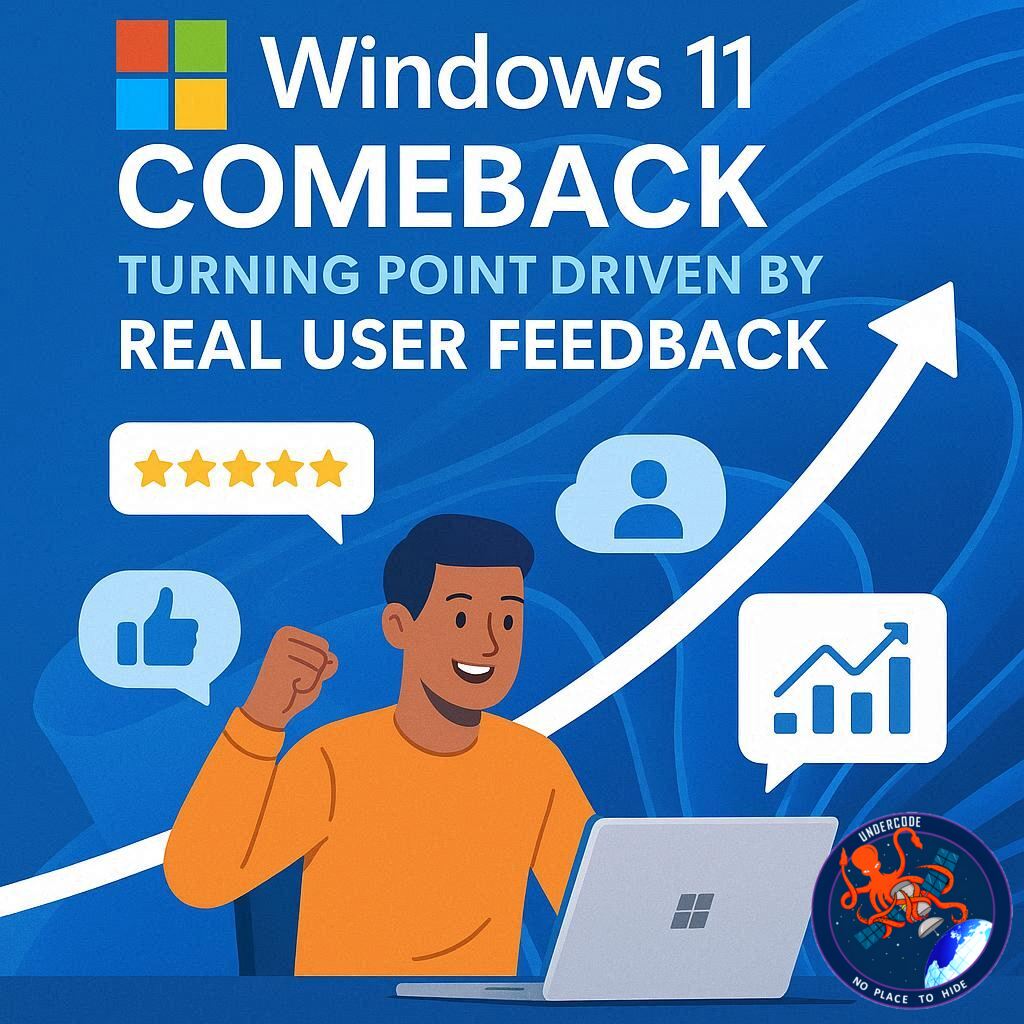
Introduction: A Critical Moment for Windows
For years, Windows 11 has struggled to maintain the trust it once held among everyday users and tech enthusiasts alike. Complaints have piled up across social media, shaping a narrative that paints Windows as bloated, intrusive, and increasingly disconnected from user needs. From forced updates to aggressive integrations with services like Microsoft Edge and Bing, frustration has reached a boiling point.
Now, however, something unusual is happening. Instead of silence or corporate deflection, Microsoft is stepping into the conversation. Its leadership is acknowledging the criticism openly and promising tangible improvements. For the first time in years, there is a sense that Windows might be entering a meaningful transformation phase.
Summary: Microsoft Finally Listens to Its Users
The current state of Windows has made it difficult for uninformed buyers to confidently choose a Windows PC. Negative sentiment dominates online discussions, fueled by persistent issues such as inconsistent performance, high memory usage, intrusive AI integrations, forced updates, and a user interface that often feels cluttered or unfinished.
Recognizing these challenges, Microsoft’s Windows chief, Pavan Davuluri, published a detailed blog outlining a renewed commitment to improving Windows 11. He emphasized that months were spent analyzing community feedback, highlighting that users deeply care about the platform and want it to succeed. The company now aims to raise the quality standard and actively shape Windows based on user input.
What makes this moment different is not just the announcement, but the behavior that followed. Microsoft executives and engineers are now engaging directly with users on social media, particularly on X. This shift comes after a period where negativity was so overwhelming that even Davuluri had to disable replies on earlier posts.
Now, conversations are more balanced. While skepticism remains, it is increasingly accompanied by cautious optimism. Influential voices, including the Hardware Canucks, have acknowledged that even partial delivery on Microsoft’s promises would represent significant progress.
Key frustrations are finally being addressed. Users have long criticized Windows for aggressive behaviors such as forced updates and persistent upselling. Scott Hanselman confirmed that a “calmer” operating system with fewer upsells is a goal. He even acknowledged user frustration over mandatory Microsoft account requirements, stating that improvements are underway.
Core system components are also receiving attention. Tali Roth has been actively responding to feedback about performance, reliability, and system bloat. Issues ranging from File Explorer inconsistencies to niche bugs are being acknowledged and added to development priorities.
Meanwhile, the Windows Insider Program is undergoing changes to ensure feedback is no longer ignored. Marcus Ash admitted that users previously felt unheard and committed to making engagement more transparent and impactful.
This renewed approach extends across teams. Designers like Diego Baca are working on improvements to core UI elements such as the Start menu and taskbar. Engineers are exploring ways to provide more control over updates and reduce system interruptions. Accessibility leaders like Dave Dame are directly consulting users to refine features like voice typing.
Internally, enthusiasm is reportedly high, with team members expressing unprecedented excitement about the initiative. All signs point to a coordinated effort across multiple departments to rebuild Windows from the ground up.
What Undercode Say:
A Rare Shift in Corporate Behavior
What stands out most is not the promise of fixes, but the change in attitude. Large tech companies rarely admit faults publicly, especially at scale. Microsoft’s willingness to engage openly signals internal pressure and recognition that user trust has eroded significantly.
Social Media as a Development Tool
Traditionally, platforms like X were seen as PR channels. Now, Microsoft is treating them as real-time feedback systems. This creates a faster loop between complaint and response, potentially accelerating product improvements in ways traditional telemetry cannot.
The Risk of Overpromising
However, there is a risk. Public engagement raises expectations dramatically. If Microsoft fails to deliver meaningful improvements, the backlash could be even stronger than before. Trust, once rebuilt partially, can collapse faster the second time.
The Importance of “Small” Fixes
Interestingly, many of the issues being discussed are not groundbreaking innovations but everyday annoyances. File Explorer bugs, update interruptions, and UI inconsistencies may seem minor individually, but collectively they define user experience. Fixing these could have a disproportionate impact on perception.
Internal Alignment Matters
The fact that multiple teams, from design to accessibility, are aligned suggests this is not a surface-level PR campaign. It indicates a coordinated internal push, which is essential for a platform as complex as Windows.
Competition Is Driving Change
Pressure from alternatives, including macOS and lightweight Linux distributions, has likely played a role. Users now have more viable choices than ever, forcing Microsoft to adapt or risk losing relevance among power users and developers.
The “Agentic OS” Vision
Davuluri’s earlier mention of an “agentic OS” hints at a future where AI plays a deeper role in Windows. However, given user backlash against intrusive features, Microsoft must balance innovation with restraint.
Cultural Reset Inside Microsoft
Statements from employees suggest a cultural shift. When engineers publicly admit flaws and show excitement about fixing them, it often reflects deeper organizational changes rather than isolated efforts.
The Real Test: Execution
Plans, blog posts, and tweets are easy. Delivering consistent updates that improve performance, reduce bloat, and respect user autonomy is far more difficult. The next 6 to 12 months will determine whether this initiative succeeds.
Fact Checker Results
✅ Microsoft leadership has publicly acknowledged user complaints and committed to improvements.
✅ Multiple teams are actively engaging with users and confirming ongoing work.
❌ No concrete timeline or guaranteed delivery for all promised fixes has been confirmed.
Prediction
Microsoft’s renewed focus on user feedback could mark the beginning of a significant turnaround for Windows. If the company delivers even half of its promises, perception around Windows 11 could shift from frustration to cautious approval.
However, failure to execute will deepen distrust and push more users toward alternatives. The next wave of updates will not just improve an operating system, they will determine whether Windows can reclaim its reputation in a rapidly evolving tech landscape.
🕵️📝✔️Let’s dive deep and fact‑check.
References:
Reported By: www.windowslatest.com
Extra Source Hub (Possible Sources for article):
https://www.reddit.com
Wikipedia
OpenAi & Undercode AI
Image Source:
Unsplash
Undercode AI DI v2
Bing
🔐JOIN OUR CYBER WORLD [ CVE News • HackMonitor • UndercodeNews ]
📢 Follow UndercodeNews & Stay Tuned:
𝕏 formerly Twitter 🐦 | @ Threads | 🔗 Linkedin | 🦋BlueSky | 🐘Mastodon


