
Listen to this Post
Introduction: The Hidden Side of Bullying Every Parent Fears
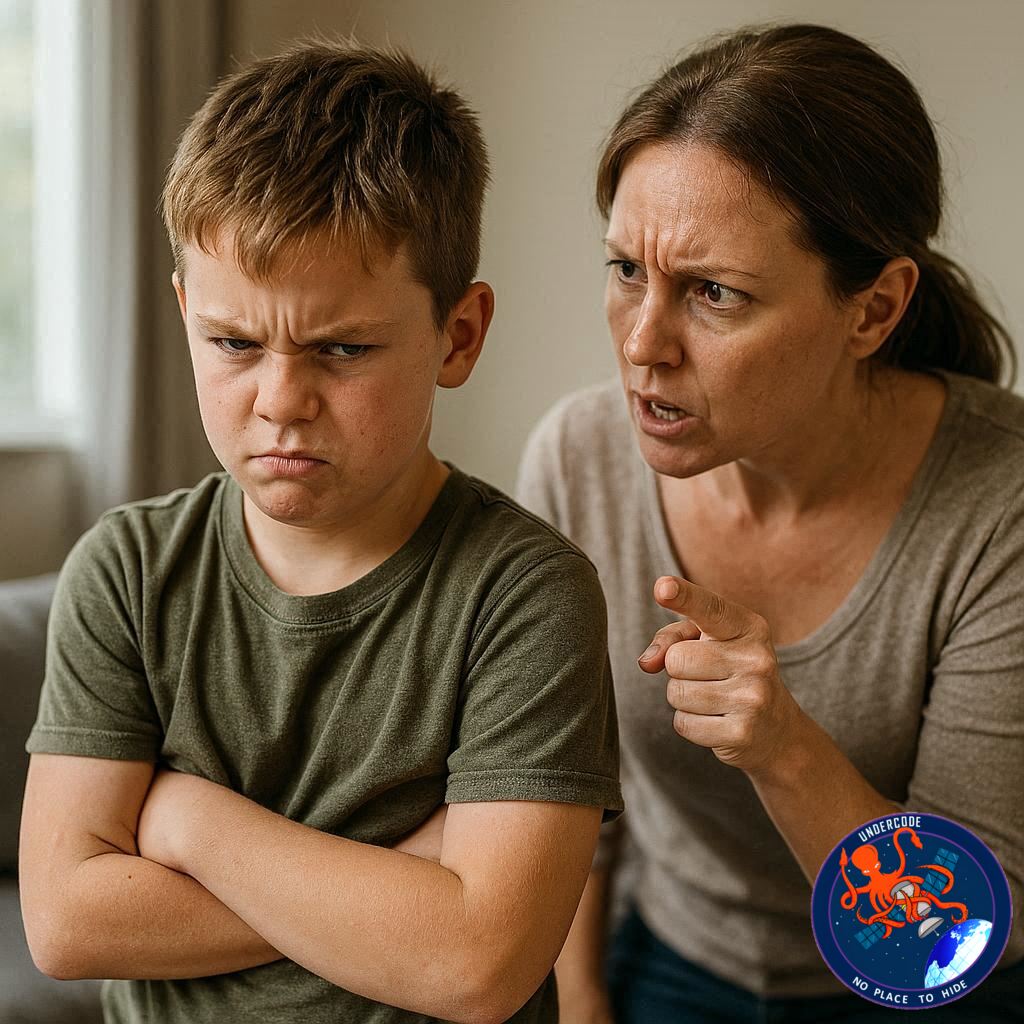
Conversations about bullying almost always center on the victim—and rightly so. Empathy naturally flows toward those who are hurt, and society instinctively rallies to defend fairness and justice. But there’s a quieter, more uncomfortable reality that many parents are unprepared to face: what happens when your own child is accused of being the one causing harm?
This situation challenges not only your perception of your child but also your identity as a parent. It forces you into a space filled with confusion, defensiveness, and emotional conflict. Suddenly, the simple narrative of “good versus bad” becomes blurred. Navigating this moment requires more than instinct—it demands awareness, emotional control, and thoughtful guidance.
the Original
The article explores a perspective often overlooked in discussions about bullying: the experience of parents whose children are accused of harmful behavior, particularly in online environments. While society tends to empathize with victims, parents in this position face a deeply internal struggle. Their perception of their child as kind and well-raised clashes with accusations that suggest otherwise, creating emotional tension and confusion.
From a cognitive-behavioral standpoint, parental reactions begin with thoughts that shape emotions and ultimately drive behavior. When confronted with accusations, parents may instinctively minimize or deny the situation, especially if it threatens their identity or beliefs about their parenting. This defensive response is a natural psychological mechanism aimed at protecting one’s self-image.
The article emphasizes that the space between an event and a reaction—though small—is critical. Within this space lies the opportunity to pause, reflect, and respond thoughtfully rather than react impulsively. Emotional responses such as anger or shame often emerge depending on how parents interpret the situation. For instance, perceiving unfairness may trigger anger, while feelings of personal failure may lead to shame.
Parents are encouraged to reconnect with their core values during these moments. Whether those values are responsibility, empathy, or accountability, they serve as a compass for guiding both the parent’s response and the child’s learning process. Rather than focusing solely on correcting behavior, this approach transforms the situation into a broader opportunity for growth.
The article also highlights the importance of tone and communication. Children are more likely to open up when approached with calm curiosity rather than accusation. Understanding the underlying reasons behind harmful behavior is essential, as cyberbullying often stems from unmet emotional needs such as a desire for belonging, validation, or difficulty managing emotions.
Another key distinction is made between shame and responsibility. When children internalize shame, they may withdraw or become defensive. In contrast, fostering a sense of responsibility encourages reflection and growth. Parents should focus on the behavior rather than labeling the child, reinforcing that mistakes do not define who they are.
Repairing the situation is also crucial. Beyond acknowledging wrongdoing, children should be guided to understand the impact of their actions and take meaningful steps to make amends. However, this process should follow genuine awareness to avoid superficial apologies.
Ultimately, the article frames these difficult moments as opportunities for development. With proper guidance, children can learn empathy, accountability, and emotional regulation. Parents play a vital role not only in addressing the behavior but in shaping how their children understand relationships, consequences, and personal growth.
What Undercode Say:
The Psychological Conflict Parents Rarely Admit
One of the most striking elements of this discussion is how deeply it exposes the fragile intersection between identity and reality. Parents don’t just see their child’s behavior—they see a reflection of themselves. When that reflection cracks, the instinct is not to investigate but to protect. This is not negligence; it is human psychology at work.
The Danger of Defensive Parenting
Defensiveness is perhaps the most dangerous reaction in these scenarios. When parents rush to defend their child without fully understanding the situation, they unintentionally reinforce harmful behavior. The child learns that consequences can be avoided, and accountability becomes optional rather than essential.
Why Emotional Regulation Matters More Than Discipline
Traditional discipline often focuses on punishment, but this approach overlooks a critical factor: emotional intelligence. A child who understands why their behavior was harmful is far more likely to change than one who is simply punished. Emotional regulation, both in the parent and the child, becomes the foundation for meaningful behavioral change.
The Role of Digital Environments in Shaping Behavior
The online world removes immediate emotional feedback—no facial expressions, no tone of voice, no visible pain. This absence creates a psychological disconnect, making it easier for children to engage in harmful behavior without fully grasping its impact. Parents must recognize that digital behavior is not separate from real-world consequences—it is an extension of it.
Misinterpreting Behavior as Character
A common mistake is equating a child’s actions with their identity. Labeling a child as “a bully” can be more damaging than the behavior itself. It locks them into a fixed narrative, making change harder. Addressing actions instead of identity keeps the door open for growth.
The Power of Curiosity Over Accusation
Curiosity is an underrated parenting tool. When parents ask questions instead of making accusations, they create a safe space for honesty. This shift transforms the conversation from confrontation into collaboration, increasing the likelihood of genuine understanding.
Why Shame Backfires Every Time
Shame is often mistaken for accountability, but the two are fundamentally different. Shame attacks the self, while accountability addresses the behavior. When children feel ashamed, they are more likely to hide, deny, or repeat the behavior rather than learn from it.
Repair as a Learning Mechanism
Apologies are often treated as the end of the process, but they should be the beginning. True repair involves understanding impact, taking responsibility, and making meaningful changes. This process teaches empathy in a way that punishment alone never can.
The Parent’s Role as Emotional Guide
Parents are not just authority figures—they are emotional guides. How they handle conflict teaches children how to handle their own mistakes. A calm, reflective approach models resilience and accountability more effectively than any lecture.
Conflict Between Parents Can Escalate the Situation
When multiple parents become involved, the situation can quickly spiral. Each side wants to protect their child, often leading to blame rather than resolution. A collaborative mindset, focused on understanding rather than winning, is essential for de-escalation.
The Missed Opportunity in Crisis Moments
Many parents focus on ending the conflict as quickly as possible, missing the deeper opportunity for growth. These moments, while uncomfortable, are powerful teaching experiences that can shape a child’s long-term emotional development.
Technology as Both Risk and Tool
While digital platforms can enable harmful behavior, they can also provide opportunities for awareness and intervention. Monitoring tools, when used responsibly, can help parents stay informed without becoming intrusive.
The Long-Term Impact of How Parents Respond
The way a parent reacts in these moments can have lasting consequences. A supportive yet firm response builds trust and accountability, while a harsh or dismissive reaction can damage communication and hinder emotional development.
Fact Checker Results
The article accurately reflects established psychological principles, particularly those related to cognitive-behavioral responses and emotional regulation.
There is strong evidence supporting the distinction between shame and responsibility in child development.
The connection between online environments and reduced empathy is well-documented and widely accepted in behavioral research.
Prediction
As digital interactions continue to dominate children’s social lives, cases of cyberbullying involving both victims and perpetrators will rise. Parents will increasingly need emotional intelligence and communication skills rather than relying solely on discipline. Future parenting strategies will likely shift toward proactive emotional education, where children are taught empathy, accountability, and digital responsibility before problems arise.
🕵️📝✔️Let’s dive deep and fact‑check.
References:
Reported By: www.bitdefender.com
Extra Source Hub (Possible Sources for article):
https://www.twitter.com
Wikipedia
OpenAi & Undercode AI
Image Source:
Unsplash
Undercode AI DI v2
Bing
🔐JOIN OUR CYBER WORLD [ CVE News • HackMonitor • UndercodeNews ]
📢 Follow UndercodeNews & Stay Tuned:
𝕏 formerly Twitter 🐦 | @ Threads | 🔗 Linkedin | 🦋BlueSky | 🐘Mastodon


