
Listen to this Post
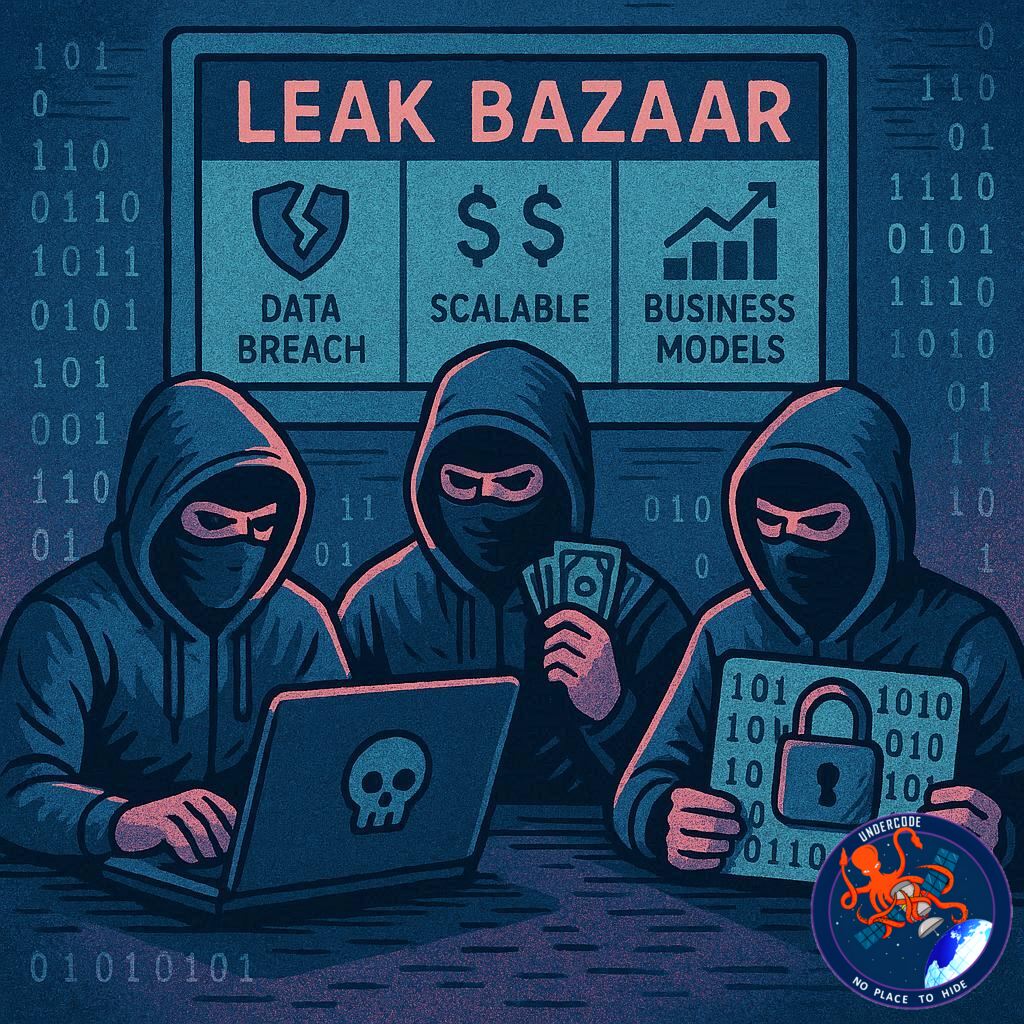
A New Era of Cyber Extortion Begins
Cybercrime has always evolved alongside technology, but every so often, a shift occurs that redefines the entire landscape. On March 25, 2026, a threat actor known as Snow, representing SnowTeam, introduced a platform called Leak Bazaar on a well-known TierOne hacking forum. This launch is not just another underground marketplace. It signals a transformation in how stolen data is monetized, packaged, and weaponized.
For years, ransomware attacks followed a familiar pattern. Hackers infiltrate systems, exfiltrate data, demand payment, and threaten exposure. If the victim refuses to pay, the attackers typically dump massive amounts of raw data online. While this creates pressure, the data itself is often chaotic and difficult to navigate. Leak Bazaar changes that dynamic entirely by turning disorganized breaches into refined, market-ready intelligence.
Summary of the Original Report
On March 25, 2026, a cybercriminal operating under the alias Snow launched Leak Bazaar, a new service designed to reshape how stolen data is handled after ransomware attacks fail. Traditionally, when companies refuse to pay ransom demands, attackers release large volumes of stolen data publicly. These dumps are often messy, filled with duplicate files, corrupted datasets, and technical debris, making it difficult for anyone to extract meaningful insights.
Leak Bazaar introduces a more structured approach. Instead of simply hosting raw data, the platform processes and refines it using advanced analytics. A dedicated infrastructure of server clusters filters irrelevant information, removes system noise, and extracts valuable content. Machine learning plays a central role in cleaning datasets and reconstructing fragmented databases, enabling the platform to turn chaotic files into usable intelligence.
However, automation is not the only component. Human analysts are involved in the final stages of data preparation. They review outputs to ensure accuracy, relevance, and value before listing the information for sale. This combination of machine efficiency and human judgment creates a curated product that is far more accessible and actionable than traditional data dumps.
The business model behind Leak Bazaar is equally notable. The platform offers a revenue-sharing system where data suppliers receive 70 percent of the profits, while the platform retains 30 percent as a service fee. This fee covers processing, analysis, hosting, and distribution.
Buyers are given two purchasing options. The first is an exclusive purchase, where a buyer pays a premium to obtain full ownership of the data, after which it is removed from the marketplace. The second is a multi-buyer option, allowing multiple customers to purchase access at a lower price. This model transforms stolen data into a recurring revenue asset rather than a one-time commodity.
To ensure trust within the criminal ecosystem, transactions are secured through a guarantor system. Additionally, Leak Bazaar offers support during active ransom negotiations by presenting refined and categorized data as leverage against victims. This structured presentation increases psychological pressure and raises the likelihood of payment.
Ultimately, Leak Bazaar is positioned not just as a marketplace, but as a service layer within cybercrime operations. It extends the lifecycle of a data breach, ensuring that even failed ransom attempts can still generate significant financial returns.
What Undercode Say:
The Industrialization of Cybercrime
Leak Bazaar represents something deeper than innovation. It reflects the industrialization of cybercrime. What used to be opportunistic attacks are now part of structured, repeatable business processes. Data theft is no longer the end goal. It is just the first stage in a multi-phase revenue pipeline.
From Chaos to Commodity
Raw data dumps were always inefficient. They created noise but limited usability. Leak Bazaar solves this problem by transforming data into a product. Clean, categorized, and searchable information becomes far more valuable, not just for extortion, but for espionage, fraud, and competitive intelligence.
Machine Learning as a Criminal Tool
The use of machine learning is particularly significant. It lowers the barrier to entry for buyers who may not have the technical expertise to parse complex datasets. By automating data cleaning and reconstruction, the platform effectively democratizes access to stolen intelligence.
Human Intelligence Still Matters
Despite the reliance on automation, human analysts remain part of the process. This hybrid model ensures quality control. It also highlights a key truth: even in highly automated cybercrime ecosystems, human judgment is still critical when determining value and usability.
Subscription-Based Crime Models
The multi-buyer option introduces a concept rarely seen in traditional cybercrime operations: recurring revenue. Instead of selling data once, attackers can profit multiple times from the same breach. This aligns more closely with legitimate SaaS business models than with conventional hacking tactics.
Psychological Pressure as a Service
Leak Bazaar does not just sell data. It sells leverage. By organizing and presenting stolen information clearly, it strengthens the attacker’s position during negotiations. Victims are no longer facing vague threats. They are shown precise, damaging evidence, making the risk feel immediate and tangible.
Trust Mechanisms in Illegal Markets
The inclusion of guarantors highlights the maturity of underground economies. Trust is a fundamental requirement for any marketplace, legal or not. By implementing structured transaction systems, Leak Bazaar reduces friction and increases participation.
Lowering Risk for Hackers
Traditionally, failed ransom attempts meant wasted effort. Leak Bazaar changes that by providing a fallback revenue stream. This reduces financial risk for attackers and may encourage more aggressive targeting strategies.
Expanding the Attack Lifecycle
The platform extends the lifecycle of a breach. Instead of ending with a ransom demand, the process now includes data refinement, marketplace listing, multiple sales, and ongoing monetization. Each stage adds value and increases profitability.
Implications for Businesses
For organizations, this development raises the stakes. Data exposure is no longer a one-time event. Even if a company refuses to pay a ransom, its data can still be repackaged and sold repeatedly, amplifying long-term damage.
A Shift in Defensive Strategy
Traditional cybersecurity strategies often focus on preventing breaches or responding to ransom demands. Leak Bazaar suggests that companies must also consider post-breach scenarios, including how their data might be reused, analyzed, and redistributed.
Data as a Persistent Liability
Once stolen, data does not simply disappear after a leak. It becomes a persistent liability. Platforms like Leak Bazaar ensure that the value of stolen data continues to grow over time rather than diminish.
The Role of Intelligence Firms
The mention of research sources indicates that cybersecurity intelligence firms are actively tracking these developments. Their role will become increasingly important as cybercrime platforms become more sophisticated and harder to detect.
Competitive Dynamics Among Hackers
Leak Bazaar also introduces competition within the cybercriminal ecosystem. Hackers who use such platforms may gain financial advantages over those who rely on traditional methods, potentially driving widespread adoption.
Ethical and Legal Challenges
Law enforcement faces a complex challenge. Platforms like Leak Bazaar operate across jurisdictions, use anonymization technologies, and rely on decentralized participants. Disrupting such ecosystems requires coordinated international efforts.
The Normalization of Cybercrime Services
The structured nature of Leak Bazaar reflects a broader trend: the normalization of cybercrime services. Just as legitimate businesses rely on specialized service providers, cybercriminals are building their own service economies.
Future Risks
If this model proves successful, similar platforms will likely emerge. Competition could lead to even more advanced data processing techniques, better user interfaces, and more aggressive monetization strategies.
Fact Checker Results
✅ Leak Bazaar introduces a refined approach to handling stolen data rather than raw dumps
✅ The platform’s revenue-sharing and multi-buyer model aligns with reported cybercrime monetization trends
❌ No independent public verification yet confirms the full scale of its adoption across multiple hacking groups
Prediction
🔮 Platforms like Leak Bazaar will become standard tools in ransomware ecosystems within the next two years
🔮 Cybercriminal operations will increasingly resemble legitimate tech startups in structure and strategy
🔮 Organizations will shift toward proactive data minimization and encryption to reduce long-term exposure risks
🕵️📝✔️Let’s dive deep and fact‑check.
References:
Reported By: cyberpress.org
Extra Source Hub (Possible Sources for article):
https://www.medium.com
Wikipedia
OpenAi & Undercode AI
Image Source:
Unsplash
Undercode AI DI v2
Bing
🔐JOIN OUR CYBER WORLD [ CVE News • HackMonitor • UndercodeNews ]
📢 Follow UndercodeNews & Stay Tuned:
𝕏 formerly Twitter 🐦 | @ Threads | 🔗 Linkedin | 🦋BlueSky | 🐘Mastodon


