
Listen to this Post
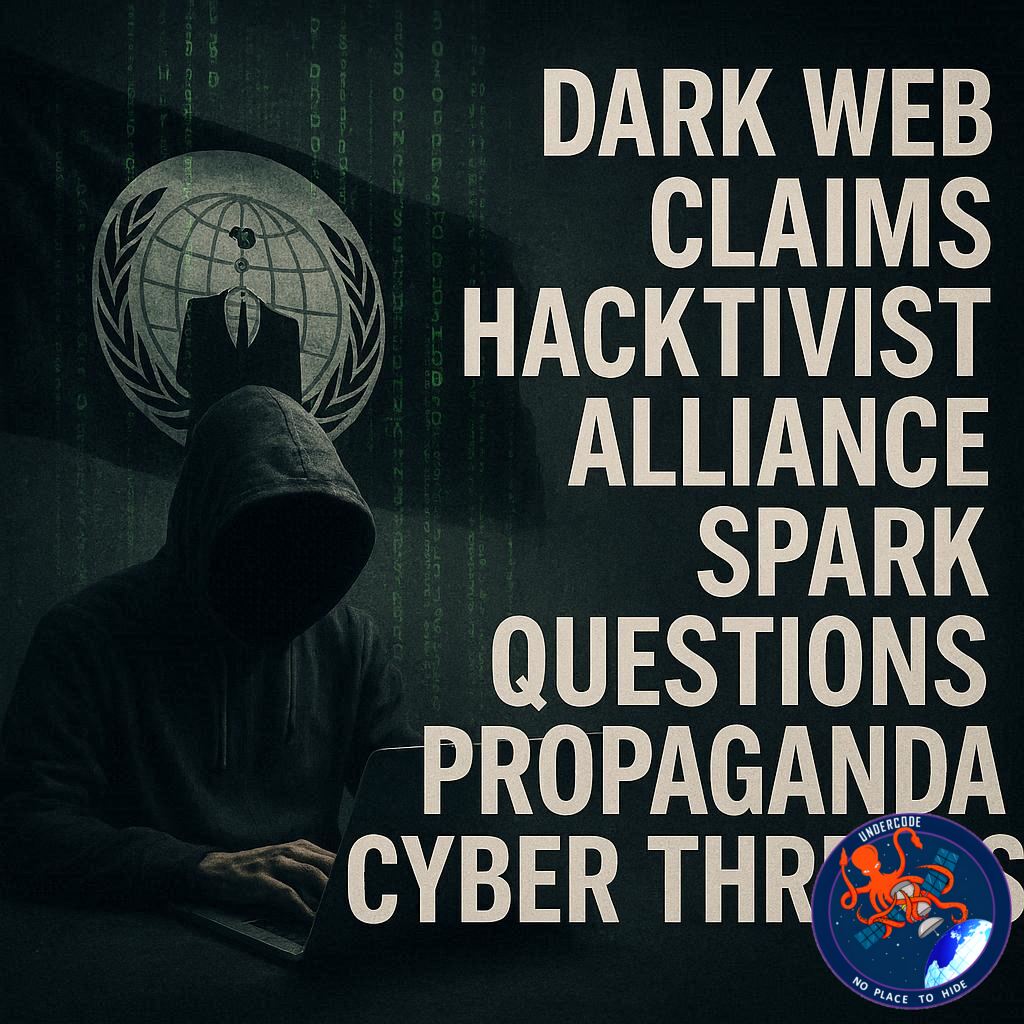 Introduction: A Viral Claim From the Shadows of the Internet
A recent message circulating on Telegram has stirred attention across cybersecurity circles, claiming a newly formed alliance between two hacktivist groups: “BD Anonymous Team” and “Wolves of Turan.” While such announcements often generate immediate concern, especially given the growing influence of cyber collectives in geopolitical narratives, experts remain cautious about taking these claims at face value. The dark web and associated communication platforms have long been breeding grounds for both legitimate threat coordination and exaggerated propaganda. This development highlights not only the evolving nature of hacktivist behavior but also the blurred line between psychological operations and real cyber threats.
the Original Report
The initial report, shared by a well-known dark web monitoring account, outlines a purported alliance between two hacktivist entities. According to the circulating message, the “BD Anonymous Team” and “Wolves of Turan” appear to be presenting themselves under a unified banner, suggesting a coordinated effort or shared agenda. Observers noted the presence of joint branding, which implies a deliberate attempt to visually and symbolically merge identities. Additionally, the messaging across channels appeared synchronized, indicating possible collaboration in crafting narratives and outreach strategies.
The content of the announcement heavily leaned into ideological and geopolitical framing. This suggests that the alliance is not merely technical in nature but also driven by shared beliefs or political motivations. The messaging called for unity under a common cause, a tactic frequently used in online movements to rally support and expand influence.
Despite these observations, analysts remain skeptical about the authenticity and operational significance of the alliance. The assessment indicates that this is more likely a case of propaganda or influence messaging rather than a genuine disclosure of coordinated cyber capabilities. Such announcements are often designed to amplify visibility, attract attention, and create the illusion of increased strength.
The report also highlights that these types of alliances are commonly used to boost perceived credibility within the hacktivist ecosystem. By associating with other groups, even loosely, organizations can enhance their reputation and intimidate potential targets. However, there is no concrete evidence provided to confirm actual joint operations or technical collaboration between the two groups.
Nevertheless, the possibility of future coordinated activities cannot be entirely dismissed. Analysts recommend ongoing monitoring of several indicators, including cross-group operations, synchronization of messaging, and emerging targeting patterns. These factors could reveal whether the alliance evolves from a symbolic gesture into a functional partnership.
In addition to the primary report, public reactions on social media varied widely. Some users dismissed the claim as exaggerated or even हास्य-worthy, questioning whether groups associated with “Anonymous” are now being labeled as terrorists. Others pointed out the tendency for inexperienced actors, often referred to as “script kiddies,” to make bold claims without substantial backing.
The broader context includes trending discussions around ethical hacking and cybersecurity, indicating that the topic resonates with both professionals and the general public. As cyber threats continue to evolve, distinguishing between real risks and performative declarations becomes increasingly important.
Overall, the report paints a picture of a potentially strategic announcement that may serve more as a psychological tool than an operational milestone. However, given the unpredictable nature of hacktivist groups, vigilance remains essential.
The Rise of Hacktivist Alliances in the Digital Age
Hacktivist alliances are not a new phenomenon, but their frequency and visibility have increased significantly in recent years. Groups often collaborate to amplify their reach, share resources, and
🕵️📝✔️Let’s dive deep and fact‑check.
References:
Reported By: x.com
Extra Source Hub (Possible Sources for article):
https://www.quora.com/topic/Technology
Wikipedia
OpenAi & Undercode AI
Image Source:
Unsplash
Undercode AI DI v2
Bing
🔐JOIN OUR CYBER WORLD [ CVE News • HackMonitor • UndercodeNews ]
📢 Follow UndercodeNews & Stay Tuned:
𝕏 formerly Twitter 🐦 | @ Threads | 🔗 Linkedin | 🦋BlueSky | 🐘Mastodon


