
Listen to this Post
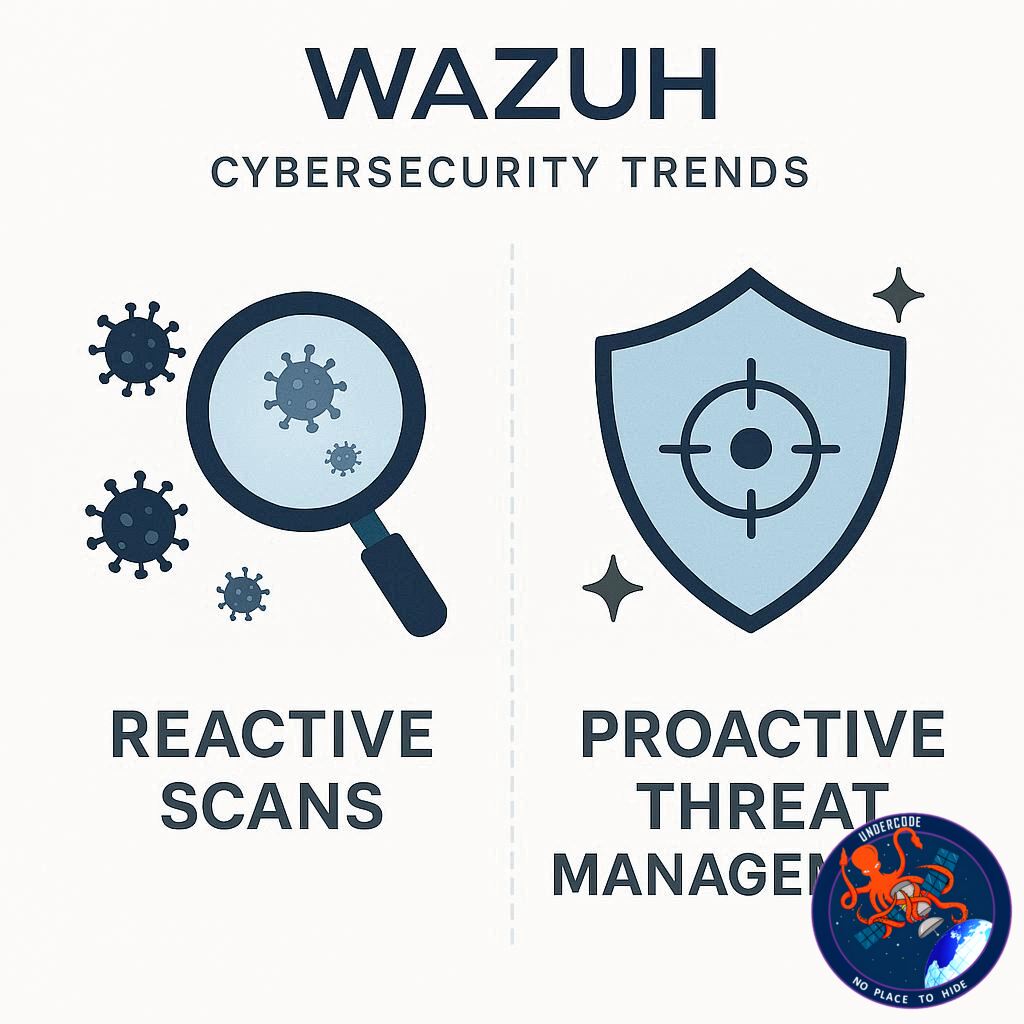
Cybersecurity is evolving at an unprecedented pace, demanding tools that are not just reactive but intelligent, adaptive, and proactive. One platform making waves in this space is Wazuh, which is transforming vulnerability management from traditional periodic scans to continuous, threat-aware detection. By integrating threat intelligence, asset criticality, and real-time telemetry, Wazuh enables organizations to remediate vulnerabilities proactively rather than waiting for scheduled assessments. This shift reflects a broader trend in cybersecurity: the movement toward predictive defense strategies that can anticipate and neutralize threats before they escalate.
Continuous Threat-Aware Detection
Unlike conventional vulnerability management, which often relies on periodic scans, Wazuh operates continuously, leveraging real-time telemetry to monitor systems. This allows for immediate identification of vulnerabilities and potential exploitation attempts. By correlating threat intelligence with the criticality of assets, organizations can prioritize remediation efforts, focusing on areas that could cause the most significant damage if compromised.
Integration of Threat Intelligence
A key differentiator of Wazuh is its use of threat intelligence to inform security actions. By incorporating feeds from multiple sources, Wazuh provides context about the latest attack vectors and tactics used by threat actors. This intelligence-driven approach ensures that responses are relevant and timely, reducing the risk of data breaches.
Real-World Applications: Remote Access Risks
Recent cybersecurity trends indicate that legitimate tools, such as NetSupport Manager, are being exploited maliciously as remote access Trojans (RATs). These intrusions often leverage phishing, SEO poisoning, and malvertising. Platforms like Wazuh, with anomaly detection capabilities, can identify unusual activity linked to these attacks, mitigating risks before significant damage occurs.
The Practical Value of Predictive Security
The evolution from reactive scans to continuous, threat-aware monitoring mirrors trends in other domains, such as renewable energy, where value emerges when solutions address clearly defined problems with measurable outcomes. Cybersecurity solutions that are data-driven, context-aware, and continuously active provide measurable protection outcomes in the real world, reducing downtime, limiting breaches, and enhancing organizational resilience.
What Undercode Says:
Proactive Security is Non-Negotiable
Organizations relying solely on periodic vulnerability scans are increasingly at risk. The speed and sophistication of modern attacks mean vulnerabilities can be exploited between scheduled scans. Continuous monitoring with threat intelligence integration is now essential.
Threat Intelligence as a Differentiator
Not all security platforms leverage external threat intelligence effectively. Wazuh’s integration of real-time threat data allows for prioritization of high-risk assets, which is critical in limiting the impact of breaches and ensuring compliance with industry standards.
Anomaly Detection is Key
Detecting abnormal behavior linked to malware or RAT exploitation is crucial. Anomaly detection systems complement traditional monitoring, identifying patterns that signature-based systems might miss, thus enabling faster response and mitigation.
Asset-Centric Security
Understanding which assets are critical allows organizations to allocate resources efficiently. By ranking assets according to risk and potential impact, Wazuh helps security teams focus on what matters most, enhancing both operational efficiency and cyber resilience.
Future-Proofing Cybersecurity
As attacks become more sophisticated, combining real-time telemetry, threat intelligence, and automated response mechanisms positions organizations to stay ahead of evolving threats. Cybersecurity is no longer just about detection—it’s about prediction and prevention.
Integration with Organizational Policies
Wazuh’s approach aligns with broader IT governance strategies, allowing integration with existing workflows, compliance frameworks, and incident response plans. This ensures that proactive security does not operate in isolation but strengthens overall organizational resilience.
Cost-Benefit Perspective
While continuous monitoring may require upfront investment, the cost of preventing breaches far outweighs the expense of reactive incident response. Organizations can realize long-term savings and operational stability through proactive risk management.
Trend Analysis and Emerging Threats
The rise of RATs and phishing attacks demonstrates that attackers are targeting both legitimate software and human behavior. Platforms like Wazuh provide visibility into these complex threat vectors, helping organizations anticipate and neutralize attacks early.
Cybersecurity as a Business Enabler
Effective threat management does not just prevent losses—it enables business continuity, customer trust, and regulatory compliance. Proactive systems like Wazuh are therefore strategic assets, not just IT tools.
Continuous Learning and Improvement
By integrating real-time telemetry with threat intelligence, organizations can continuously refine detection and response mechanisms. This iterative learning process ensures that defenses evolve alongside emerging threats, reducing vulnerability over time.
🔍 Fact Checker Results
✅ Wazuh indeed supports continuous vulnerability monitoring and threat intelligence integration.
✅ NetSupport Manager has been exploited as a remote access tool in recent phishing campaigns.
❌ No evidence suggests Wazuh completely eliminates all risk—it mitigates and prioritizes threats.
📊 Prediction
The future of cybersecurity is moving decisively toward intelligent, context-aware systems. Tools like Wazuh, which integrate continuous monitoring, threat intelligence, and asset prioritization, will likely become industry standards. Companies adopting these proactive measures will experience fewer breaches, reduced response times, and higher operational resilience. The combination of predictive analytics and anomaly detection will dominate security strategies, especially as attacks become faster and more sophisticated. Organizations that fail to adopt continuous, intelligence-driven monitoring may face higher costs, reputational damage, and compliance risks.
If you want, I can also create a visually structured version with highlighted insights and charts to make this article even more engaging for readers. Do you want me to do that?
🕵️📝✔️Let’s dive deep and fact‑check.
References:
Reported By: x.com
Extra Source Hub (Possible Sources for article):
https://www.reddit.com/r/AskReddit
Wikipedia
OpenAi & Undercode AI
Image Source:
Unsplash
Undercode AI DI v2
Bing
🔐JOIN OUR CYBER WORLD [ CVE News • HackMonitor • UndercodeNews ]
📢 Follow UndercodeNews & Stay Tuned:
𝕏 formerly Twitter 🐦 | @ Threads | 🔗 Linkedin | 🦋BlueSky | 🐘Mastodon


