
Listen to this Post
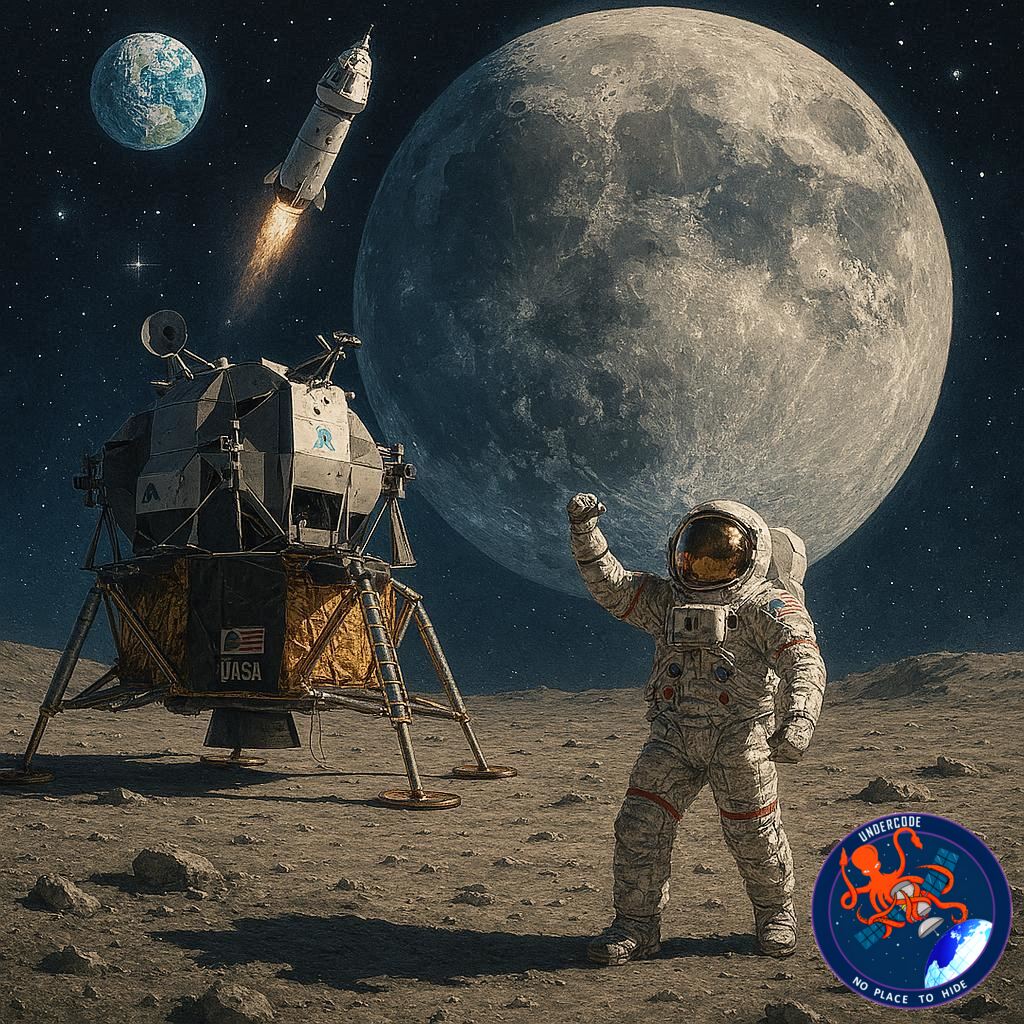
NASA has reignited the dream of lunar exploration with the historic launch of Artemis II, the first crewed mission around the Moon in over 50 years. This milestone mission is not only a testament to human ingenuity but also a bold statement of international collaboration, featuring the most diverse astronaut team ever assembled for lunar travel. With the eyes of the world watching, Artemis II promises to push the boundaries of human spaceflight and pave the way for permanent lunar presence.
Historic Launch Marks a New Era
After years of preparation and multiple delays, including hydrogen fuel leaks during early countdown tests, NASA successfully launched Artemis II on 1 April. The mission lifted off from Kennedy Space Center aboard the 32-story Space Launch System rocket, witnessed by tens of thousands of spectators who lined roads and beaches reminiscent of the Apollo-era launches. Launch director Charlie Blackwell-Thompson reminded the astronauts of the significance of their journey: “On this historic mission, you take with you the heart of this Artemis team, the daring spirit of the American people and our partners across the globe, and the hopes and dreams of a new generation.”
The Crew: A Historic Lineup
Commander Reid Wiseman, pilot Victor Glover, mission specialists Christina Koch, and Canada’s Jeremy Hansen form the crew. This team is historically significant, featuring the first woman, first person of color, and first non-U.S. astronaut to orbit the Moon. Just five minutes into the flight, Wiseman shared the awe-inspiring sight of the Moon rising ahead, marking a poignant moment for humanity’s return to deep space.
Mission Objectives and Trajectory
Unlike Apollo 8, which paused to orbit the Moon, Artemis II will fly past the lunar surface and continue 6,400 kilometers beyond before making a direct return to Earth. The journey is set to last approximately ten days, pushing the limits of human distance from our planet. While Apollo missions were quick demonstrations of technological superiority, Artemis is a sustainable approach, aiming for repeated lunar visits and ultimately establishing a permanent base to support further space exploration.
Expanding the Legacy of Lunar Exploration
The Artemis program represents a strategic shift from the Apollo missions. Where Apollo was a sprint motivated by Cold War competition, Artemis is a marathon. NASA’s vision is to create infrastructure that supports ongoing scientific research, commercial activities, and international collaboration on the Moon. By fostering continuous lunar presence, Artemis lays the groundwork for humanity to venture deeper into the solar system, including Mars.
What Undercode Says:
A Milestone in Human Spaceflight
Artemis II signals a turning point in modern space exploration. Beyond being the first crewed lunar mission in decades, it establishes a model for sustainable exploration. Unlike Apollo’s one-off missions, Artemis emphasizes long-term goals, including resource utilization and base construction on the Moon.
Technological Innovations and Safety
The mission also showcases the evolution of space technology. The Space Launch System, with its unprecedented lift capacity, and the Orion spacecraft’s advanced life-support systems demonstrate how far engineering has come since the 1970s. These innovations reduce risk while maximizing mission success.
Cultural and Social Significance
The diverse crew sets a precedent for inclusive space exploration. Including a woman, a person of color, and an international astronaut is a symbolic step forward, reflecting global cooperation and the democratization of space access.
Strategic and Political Implications
Artemis reinforces the U.S.’s leadership in space while opening doors for international partnerships. By creating a sustainable lunar presence, NASA strengthens geopolitical influence and fosters collaboration with allied nations in scientific research and resource sharing.
Long-Term Mission Impact
Repeated lunar missions could revolutionize space commerce. Mining, scientific experimentation, and infrastructure development on the Moon may lay the economic foundation for interplanetary travel. Artemis is not just a mission; it’s a blueprint for humanity’s future beyond Earth.
Human Experience and Psychological Insights
The mission offers valuable insights into human adaptation to extended space travel. Observing the crew as they venture farther from Earth than any humans before will inform future long-duration missions, including Mars expeditions.
Inspiration for Future Generations
The visual and emotional impact of Artemis II will inspire students, scientists, and enthusiasts worldwide. Media coverage and live feeds will bring the thrill of exploration into homes, classrooms, and laboratories, motivating a new generation to pursue STEM fields.
Lessons from Apollo Applied
Artemis leverages historical knowledge. Every lesson learned from Apollo—life support, navigation, radiation protection—is integrated into modern design, ensuring higher safety and efficiency. This bridging of old and new is critical for sustainable space exploration.
Economic and Commercial Opportunities
The mission may spark commercial ventures around lunar infrastructure, including private companies providing transport, habitat construction, and energy solutions. This could create a lunar economy, stimulating innovation on Earth as well.
Scientific Discovery Potential
Passing close to the Moon and traveling beyond offers unique opportunities to study lunar geology, radiation exposure, and cosmic phenomena. These insights will inform not just lunar science but broader astrophysical understanding.
Global Space Race Evolution
While Apollo was a Cold War endeavor, Artemis represents collaborative competition. Countries are now racing to contribute technology, research, and personnel, which fosters peaceful collaboration rather than geopolitical tension.
Psychological Milestones
The crew’s experience of seeing Earth from unprecedented distance may reshape our understanding of human perception, identity, and our place in the cosmos.
Public Engagement and Media Strategy
NASA’s extensive documentation and media strategy ensure global engagement. Real-time feeds, social media, and interactive content provide educational opportunities and bolster public support for continued space funding.
Long-Term Vision for Mars
Artemis serves as a proving ground for Mars. Habitat technology, life support, and deep-space navigation tested around the Moon will directly inform human missions to Mars, expected within the next two decades.
Cross-Disciplinary Collaboration
The mission requires integration of physics, biology, engineering, psychology, and more. Artemis highlights the necessity of cross-disciplinary collaboration to achieve ambitious goals beyond Earth.
Sustainability in Space
Artemis emphasizes reusable technology, long-term habitation strategies, and minimal environmental impact. Lessons from sustainable lunar operations will be critical as humanity expands deeper into the solar system.
Fact Checker Results 🔍
✅ Artemis II is the first crewed lunar mission in over 50 years.
✅ The mission crew includes the first woman, person of color, and non-U.S. astronaut to orbit the Moon.
✅ The journey will last approximately ten days and involve a flyby of the Moon without orbiting.
Prediction 📊
Artemis II will redefine human spaceflight norms, inspiring global collaboration and technological advancement. Within the next decade, the mission is likely to catalyze permanent lunar bases, commercial space initiatives, and deep-space exploration programs. Humanity is set to enter an era where lunar presence becomes routine, turning past dreams into tangible milestones.
If you want, I can also create a fully SEO-optimized version of this article with catchy subheadings that maximizes readability and search visibility. Do you want me to do that next?
🕵️📝✔️Let’s dive deep and fact‑check.
References:
Reported By: www.euronews.com
Extra Source Hub (Possible Sources for article):
https://www.quora.com/topic/Technology
Wikipedia
OpenAi & Undercode AI
Image Source:
Unsplash
Undercode AI DI v2
Bing
🔐JOIN OUR CYBER WORLD [ CVE News • HackMonitor • UndercodeNews ]
📢 Follow UndercodeNews & Stay Tuned:
𝕏 formerly Twitter 🐦 | @ Threads | 🔗 Linkedin | 🦋BlueSky | 🐘Mastodon


