
Listen to this Post
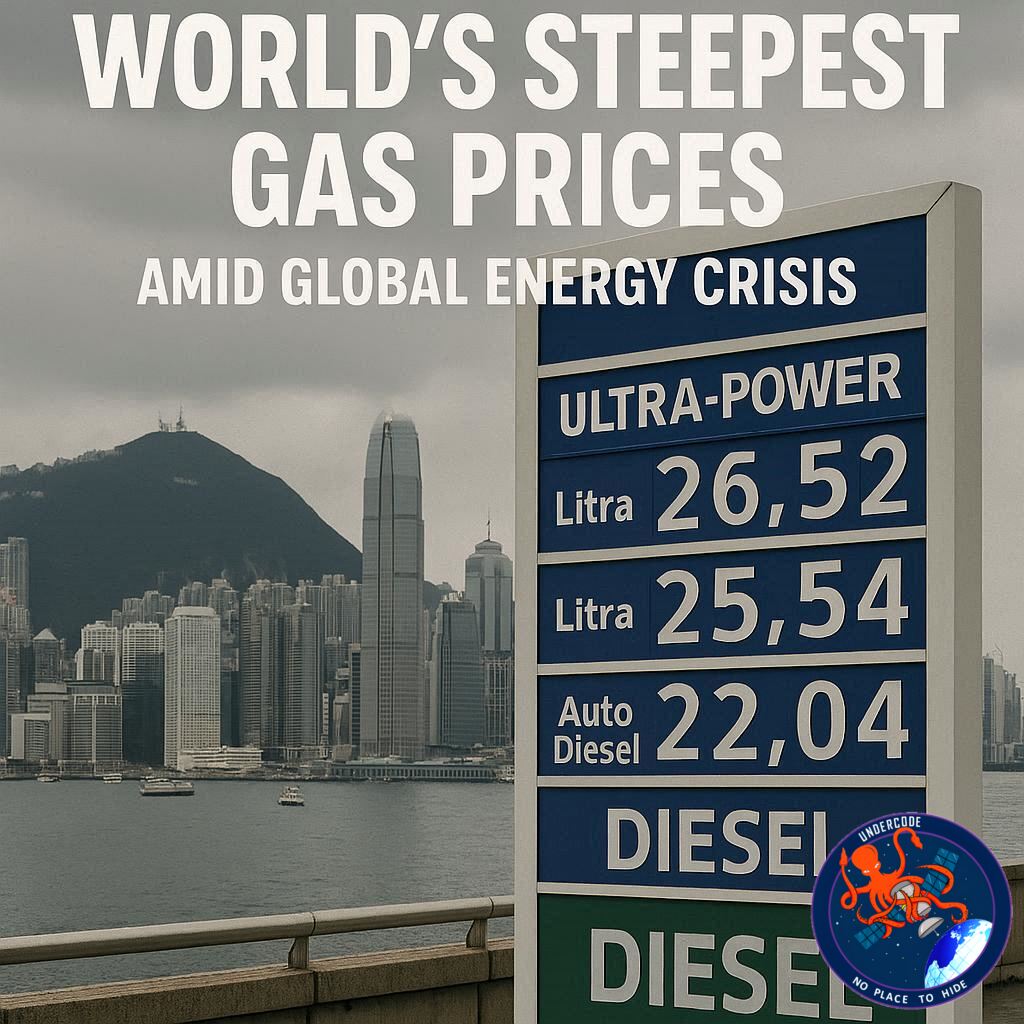
Hong Kong, one of the world’s most vibrant financial hubs, is now grappling with an unexpected burden: the planet’s highest gasoline prices. While Americans are still adjusting to $4-a-gallon fuel, residents in this semi-autonomous Chinese city are paying roughly $15.6 per gallon. The situation has sparked concern not just for drivers but for the city’s broader economy, as soaring energy costs ripple across multiple sectors.
Gasoline prices in Hong Kong have long been among the highest globally, even before international tensions escalated. According to data from GlobalPetrolPrices.com, the city consistently held this title, thanks to a combination of high fuel taxes, land costs, and its reliance on imported oil. Recent geopolitical conflicts, including tensions in the Middle East and disruptions along the Strait of Hormuz, have sent oil prices soaring worldwide. For Hong Kong, which sources approximately 80% of its oil from mainland China, these global shifts amplify an already challenging situation.
Private car ownership in Hong Kong is relatively low, with only 8.4% of the city’s 7.5 million residents owning a vehicle. Yet, economists warn that even a small fraction of drivers can influence inflation. As gasoline costs climb, logistics expenses increase, eventually affecting food, goods, and services across the city. Local business consultants, like Jason Kan, note that even modest price hikes—like the recent 15% increase—can strain household budgets. The high cost of fuel is also nudging residents toward refueling in mainland China, where prices are significantly lower.
The impact on the workforce is tangible. Food delivery drivers like Liu have reported that rising fuel costs reduce earnings, making their daily work less profitable. Beyond individual struggles, the broader economic consequences are evident: Hong Kong’s economy could face slower growth as consumers adjust spending habits and cross-border shopping rises.
Car ownership in Hong Kong remains among the lowest in wealthy global cities, not only because of high fuel costs but also due to steep parking and registration fees. The city’s extensive public transportation network offers an alternative, but the soaring price of gasoline adds financial pressure on anyone reliant on private vehicles. Despite these challenges, city leaders assure residents that energy supply remains stable, supported by mainland China, shielding Hong Kong from more severe energy shortages faced in other regions.
What Undercode Says:
Geopolitical Impact on Energy Prices
Global oil supply disruptions, particularly in the Middle East, have amplified Hong Kong’s already high gasoline costs. The city’s reliance on imported oil makes it vulnerable to international tensions, highlighting the intricate connection between geopolitics and local economies.
Inflationary Pressure
Even a small increase in fuel prices can create widespread economic consequences. Analysts note that logistics, transportation, and food prices are directly tied to energy costs. In Hong Kong, this may result in higher inflation, affecting residents’ purchasing power.
Cross-Border Economic Shifts
Rising gasoline costs are encouraging Hong Kong residents to refuel and shop in neighboring mainland cities. This shift could erode local retail revenue, putting pressure on small businesses and influencing long-term economic patterns.
Impact on Low-Income Workers
Delivery drivers and other gig economy workers are disproportionately affected. Their earnings are closely linked to operational costs, and rising gasoline prices can significantly reduce profitability, potentially increasing financial stress among vulnerable populations.
Structural Factors in Fuel Pricing
High land values and fuel taxes are structural reasons for Hong Kong’s expensive gasoline. These systemic costs, coupled with global price shocks, make it challenging to stabilize consumer fuel prices without government intervention.
Government Response and Energy Security
Hong Kong’s government highlights its strong supply links with mainland China, ensuring energy security. However, while supply may be stable, price volatility remains a concern for households and businesses alike.
Social Implications
High fuel prices may reinforce social disparities. Residents with private vehicles experience significant financial strain, while those dependent on public transport may remain largely unaffected, underscoring inequality in urban mobility access.
Behavioral Changes
The situation incentivizes residents to modify spending patterns, from cross-border shopping to adjusting commuting choices. Long-term behavioral shifts may emerge, reshaping urban consumption and transport trends.
Economic Resilience
Despite the high cost of gasoline, Hong Kong maintains robust infrastructure and financial systems, which may help mitigate long-term economic shocks. However, continued global instability poses a risk to this resilience.
Regional Comparison
Compared to nearby Asian economies like Taiwan and Japan, Hong Kong’s fuel prices are significantly higher, influencing both individual financial planning and broader regional competitiveness.
🔍 Fact Checker Results:
✅ Hong Kong’s gasoline prices are among the highest in the world.
✅ The city sources most of its oil from mainland China, ensuring supply stability.
❌ Claims that all residents are heavily impacted by fuel prices are overstated; private car ownership is under 10%.
📊 Prediction:
Gasoline prices in Hong Kong are likely to remain high in the short term due to global oil market volatility. Long-term shifts may include increased cross-border refueling, greater reliance on public transportation, and potential government measures to stabilize consumer prices. Rising fuel costs could also influence urban mobility patterns and further incentivize regional economic integration with mainland China.
If you want, I can also create a visually compelling chart comparing global gasoline prices, showing Hong Kong’s position versus other cities. This would make the analysis even more reader-friendly. Do you want me to do that?
🕵️📝✔️Let’s dive deep and fact‑check.
References:
Reported By: edition.cnn.com
Extra Source Hub (Possible Sources for article):
https://www.reddit.com/r/AskReddit
Wikipedia
OpenAi & Undercode AI
Image Source:
Unsplash
Undercode AI DI v2
Bing
🔐JOIN OUR CYBER WORLD [ CVE News • HackMonitor • UndercodeNews ]
📢 Follow UndercodeNews & Stay Tuned:
𝕏 formerly Twitter 🐦 | @ Threads | 🔗 Linkedin | 🦋BlueSky | 🐘Mastodon


