
Listen to this Post
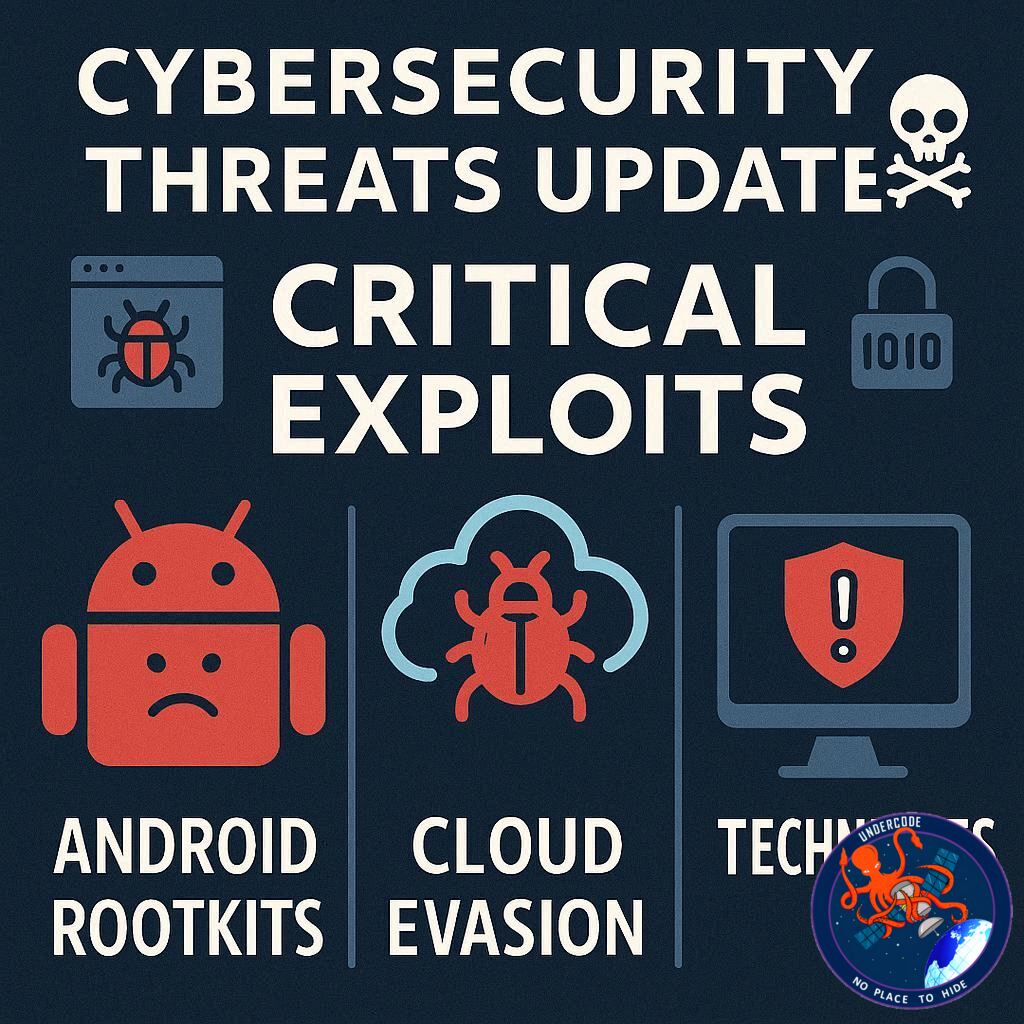
The cybersecurity landscape continues to evolve at a rapid pace, with new threats emerging daily that target enterprises and individual users alike. From sophisticated remote code execution chains to stealthy rootkits and advanced cloud logging evasion methods, organizations face increasingly complex challenges to protect sensitive data and infrastructure. This article summarizes the latest cybersecurity developments reported by ThreatsDay Bulletin and provides an in-depth analysis of their potential impact.
Key Cybersecurity Alerts
Recent reports from ThreatsDay Bulletin highlight a series of critical security incidents:
Progress ShareFile Vulnerability – A pre-authentication remote code execution (RCE) chain has been identified in Progress ShareFile. This flaw affects over 30,000 instances, allowing attackers to execute arbitrary code without prior authentication, posing significant risks to corporate file-sharing platforms.
NoVoice Android Rootkit – Security researchers have discovered a stealthy Android rootkit, named NoVoice, which has already compromised over 2.3 million devices. This malware allows attackers to gain persistent control over infected devices, bypassing standard security mechanisms.
CloudTrail Log Evasion – Threat actors are developing sophisticated techniques to evade detection in AWS CloudTrail logs, allowing them to move laterally within cloud environments while avoiding audit and monitoring systems. These methods highlight the growing complexity of cloud security threats.
Security+ Exam Insights – In parallel to threat intelligence, experts emphasize that most candidates fail the Security+ certification due to attempting to master every topic superficially. Instead, focusing on core domains of the SY0-701 exam ensures more efficient and successful preparation.
Overall, these incidents underscore the critical need for robust cybersecurity strategies, prioritizing both prevention and rapid detection of malicious activity across systems and devices.
What Undercode Says: Threat Analysis and Implications
Pre-auth RCE in Progress ShareFile
The discovery of a pre-auth RCE in a widely used enterprise platform is alarming. Attackers exploiting this vulnerability can execute arbitrary commands remotely without credentials. Organizations relying on ShareFile must urgently apply patches or temporary mitigations. The scale—over 30,000 impacted instances—suggests that this vulnerability is a potential target for large-scale cyberattacks.
NoVoice Android Rootkit Trends
NoVoice demonstrates how mobile malware continues to evolve, combining persistence, stealth, and root-level access. The rootkit’s ability to compromise over 2.3 million devices reveals both the success of automated infection campaigns and the inadequacy of traditional mobile security tools to detect advanced threats. Enterprises with BYOD (Bring Your Own Device) policies should review endpoint protection strategies.
CloudTrail Evasion Techniques
Threat actors focusing on cloud logging evasion represent a new frontier in attack sophistication. By avoiding detection in CloudTrail, attackers can maintain prolonged access, exfiltrate sensitive data, or disrupt operations without leaving clear traces. Security teams must implement enhanced monitoring, anomaly detection, and regular audit processes to counter this evolving tactic.
Security Certification Insights
Failing to focus on core Security+ domains reflects a broader trend in cybersecurity education: learners often overestimate the value of breadth over depth. Prioritizing the most tested and critical domains provides more practical, actionable knowledge, helping professionals detect and respond to threats more effectively.
Strategic Recommendations
Organizations should implement multi-layered defenses, combining patch management, endpoint protection, cloud monitoring, and staff training. Regular penetration tests and threat simulations can help identify weaknesses before they are exploited. Additionally, emphasizing continuous learning for IT teams ensures preparedness against rapidly evolving threats.
🔍 Fact Checker Results
✅ Progress ShareFile RCE confirmed by multiple security advisories.
✅ NoVoice rootkit infections reported by independent Android malware researchers.
❌ CloudTrail evasion techniques are evolving but not yet tied to major public breaches.
📊 Prediction
The frequency and severity of attacks on enterprise software and mobile devices are likely to increase in 2026. Organizations that proactively patch vulnerabilities, monitor cloud environments, and strengthen mobile security can reduce breach risk. Mobile malware campaigns like NoVoice will continue targeting both personal and enterprise devices, making hybrid defense strategies essential. Cloud logging evasion tactics may become a standard for advanced persistent threats, requiring improved AI-driven detection systems.
This structure summarizes current threats while offering actionable analysis, verification, and forward-looking predictions for cybersecurity professionals.
🕵️📝✔️Let’s dive deep and fact‑check.
References:
Reported By: x.com
Extra Source Hub (Possible Sources for article):
https://www.pinterest.com
Wikipedia
OpenAi & Undercode AI
Image Source:
Unsplash
Undercode AI DI v2
Bing
🔐JOIN OUR CYBER WORLD [ CVE News • HackMonitor • UndercodeNews ]
📢 Follow UndercodeNews & Stay Tuned:
𝕏 formerly Twitter 🐦 | @ Threads | 🔗 Linkedin | 🦋BlueSky | 🐘Mastodon


