
Listen to this Post
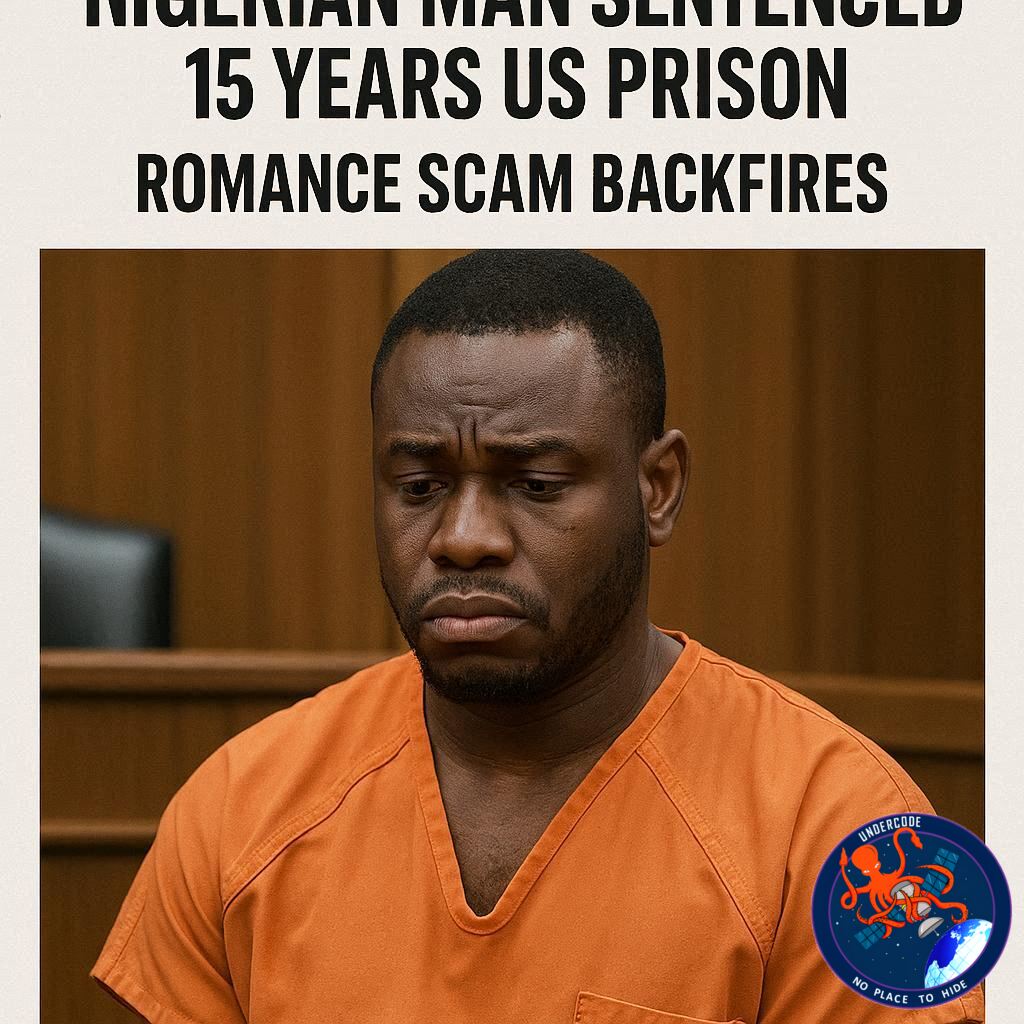
A shocking case of online deception has ended with a dramatic twist: a Nigerian man who posed as a woman to defraud men across the United States has been sentenced to 15 years in a U.S. federal prison. What makes this story particularly intriguing is that he was ultimately caught after attempting to scam another fraudster.
Online Romance Scam Operation
35-year-old Saheed Sunday Owolabi, based in Nigeria, orchestrated an extensive romance scam network that targeted men in the U.S. He and his collaborators created fake female profiles online, establishing emotional relationships to convince victims to hand over money and sensitive financial details.
The scheme involved not only emotional manipulation but also sophisticated financial fraud. Owolabi and his accomplices laundered funds through bank accounts provided by unsuspecting victims, often combining money stolen from multiple scams. Investigators revealed that the total amount laundered exceeded $1.5 million, with one victim losing more than $120,000 alone.
During the COVID-19 pandemic, the scam operation expanded. Owolabi’s team accessed confidential real estate sale information and sent forged emails instructing victims to transfer money to accounts under their control. This multi-layered approach demonstrated both technical know-how and psychological manipulation.
Humbling Encounter with a Fellow Scammer
Ironically, Owolabi’s downfall began when he attempted to defraud someone who was also a scammer. During an online conversation intended to extract money, the other fraudster realized Owolabi’s true intentions and mocked his amateurish methods. While this may sound humorous, the chat logs became critical evidence in court, proving that Owolabi was a proactive, leading member of the fraud ring rather than a passive participant.
Lavish Lifestyle Revealed
The prosecution presented evidence that Owolabi had spent his illicit gains on luxury items. Images found on his phone depicted expensive purchases, further cementing his role as a prominent figure within the scam operation. Chief U.S. District Judge Richard E. Myers II described him as a key orchestrator who caused substantial financial harm to numerous victims.
The Broader Impact of Romance Scams
Romance scams exploit emotional vulnerabilities rather than technological weaknesses, making them particularly devastating. Unlike malware attacks, victims are manipulated into believing in genuine affection, leaving them more susceptible to financial exploitation.
What Undercode Says:
The Psychology Behind Romance Scams
Romance scams are a sophisticated form of social engineering that prey on trust and loneliness. Victims are not just defrauded—they are emotionally manipulated, making recovery both financial and psychological.
International Fraud Complexity
Owolabi’s case highlights the international nature of online scams. Despite operating from Nigeria, his activities had direct financial consequences in the U.S., showcasing how cross-border enforcement is essential in cybercrime cases.
Technical Skill vs. Social Manipulation
While the case initially involved low-tech social engineering, Owolabi’s team combined personal manipulation with financial fraud and forged documents, illustrating a high level of operational complexity.
Self-Exposure of Criminal Networks
The moment Owolabi tried to scam another fraudster reflects a vulnerability common in criminal networks: overconfidence. Criminals often underestimate others in the same field, which can lead to exposure and eventual prosecution.
Legal and Sentencing Implications
A 15-year sentence demonstrates the U.S. judiciary’s recognition of the severe financial and emotional damage caused by romance scams. It also signals a deterrent to international operators considering similar crimes.
Financial Ramifications for Victims
Victims often face years of financial hardship. The $1.5 million stolen by Owolabi’s network is only a fraction of losses nationwide from romance scams, emphasizing the need for robust education and awareness.
Role of Digital Forensics
The case shows how chat logs, email evidence, and digital purchases play a decisive role in proving intent, leadership, and the scope of criminal operations.
Social Engineering vs. Cybersecurity
Romance scams underscore that cybersecurity is not only about software and firewalls; human behavior is often the most exploitable weak point.
Victim Recovery Challenges
Even after legal justice, victims may struggle to regain lost money. Emotional trauma often compounds financial loss, showing why preventive measures are vital.
Long-Term Monitoring of Fraud Networks
Authorities must continue tracking digital footprints to identify both perpetrators and evolving scam techniques, especially when operations cross national borders.
The Pandemic Factor
COVID-19 accelerated online fraud due to increased remote interactions, making individuals more susceptible to scams. Owolabi’s timing exploited this trend.
Reputation Damage to Online Platforms
Romance scams also erode trust in online dating platforms, emphasizing the need for platform-based fraud detection and user verification.
Social Commentary
This case serves as a cautionary tale about how emotional manipulation can be weaponized for financial gain, and the importance of digital literacy in personal safety.
Lessons in Fraud Prevention
Awareness campaigns should focus on educating people about red flags in online relationships and financial requests from strangers.
International Cooperation
Cases like this demonstrate the necessity of cross-border legal cooperation, as criminals exploit jurisdictional gaps to operate internationally.
🔍 Fact Checker Results:
✅ The sentence of 15 years for Owolabi is confirmed by U.S. federal court records.
✅ Reports show over $1.5 million laundered, with multiple victims across the U.S.
❌ The claim that romance scams only exploit emotions is slightly simplified; some involve minor technical fraud as well.
📊 Prediction
Romance scams are likely to grow as online dating platforms expand and AI-generated personas become more convincing. Financial losses may surge unless governments, tech companies, and users implement stricter verification and educational measures. Fraudsters will continue to adapt their techniques, potentially targeting international victims with increasingly sophisticated methods.
If you want, I can also rewrite this version in a more clickbait, viral-style article suitable for a blog audience, keeping it under 2,000 words while retaining all facts. Do you want me to do that next?
🕵️📝✔️Let’s dive deep and fact‑check.
References:
Reported By: www.bitdefender.com
Extra Source Hub (Possible Sources for article):
https://www.reddit.com/r/AskReddit
Wikipedia
OpenAi & Undercode AI
Image Source:
Unsplash
Undercode AI DI v2
Bing
🔐JOIN OUR CYBER WORLD [ CVE News • HackMonitor • UndercodeNews ]
📢 Follow UndercodeNews & Stay Tuned:
𝕏 formerly Twitter 🐦 | @ Threads | 🔗 Linkedin | 🦋BlueSky | 🐘Mastodon


