
Listen to this Post
 Massive Expansion of Samsung’s Wearable Ecosystem Begins to Take Shape
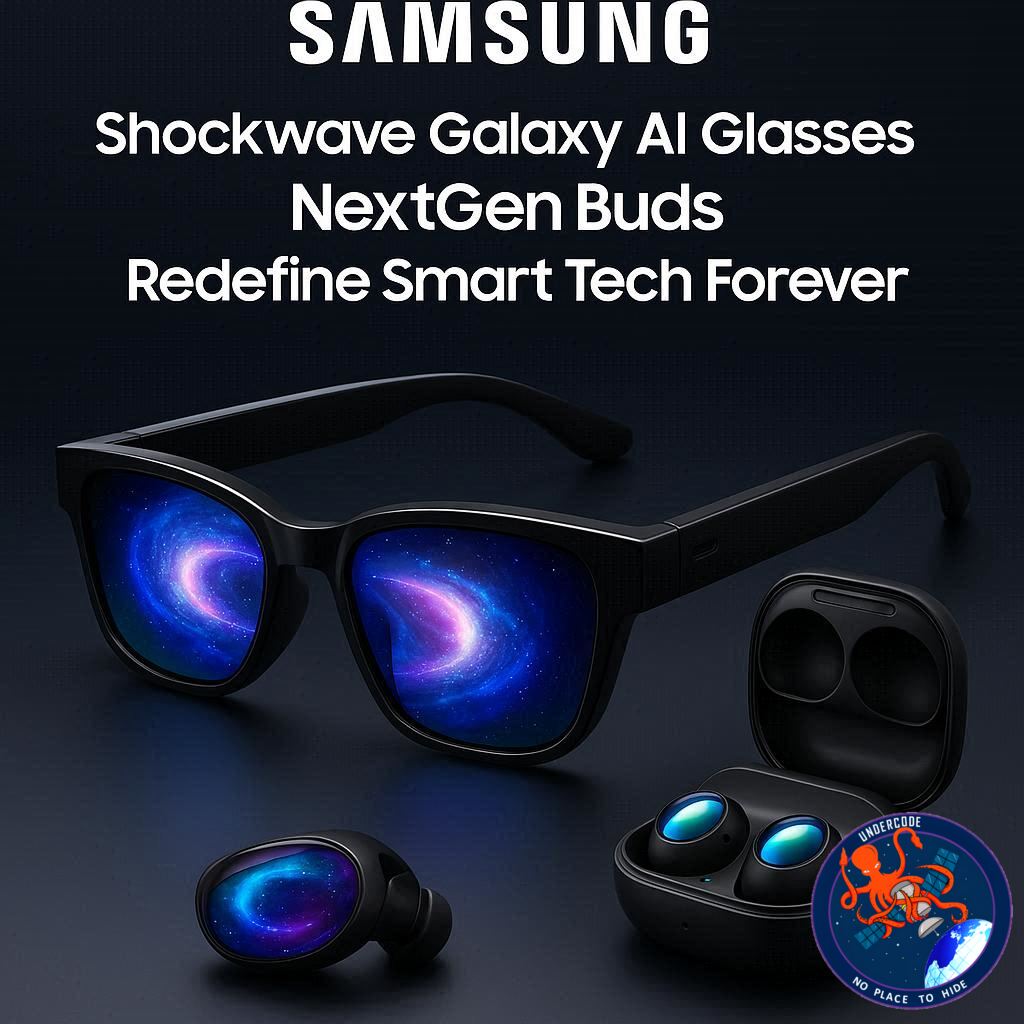
Samsung is aggressively signaling a major transformation in its wearable technology strategy, hinting at a future where AI-powered devices extend far beyond smartphones and smartwatches. During its Q1 2026 earnings call, the company confirmed plans to introduce “AI glasses” as part of a broader push toward immersive, multimodal computing experiences. Alongside this, Samsung is also preparing to expand its Galaxy Buds lineup with entirely new form factors and advanced audio technologies. The move reflects Samsung’s ambition to compete directly in the emerging AI wearables space, where devices are expected to blend augmented reality, voice intelligence, and real-time digital interaction into everyday life. Reports suggest the upcoming smart glasses—possibly branded as Galaxy Glasses—will run on Google’s Android XR platform and include integrated cameras, microphones, speakers, and AI capabilities powered by Google Gemini. These glasses are expected to handle tasks such as photography, video capture, music playback, social sharing, and contextual question answering. At the same time, Samsung is exploring a new category of earbuds, rumored to be called Galaxy Buds Able, featuring a clip-on design and bone conduction technology for improved situational awareness. However, the company also warned investors about ongoing memory chip shortages, which may worsen in 2027, potentially increasing device prices and reducing overall demand in the consumer electronics market. Despite these risks, Samsung appears committed to strengthening its premium device segment, particularly in high-end smartphones, wearables, and AI-integrated ecosystems, while anticipating weaker demand in laptops and tablets.
What Undercode Say:
The Strategic Shift Toward AI-Centered Wearables
Samsung is no longer treating wearables as accessory devices but as core computing platforms. The emphasis on AI glasses signals a deeper strategic pivot toward ambient computing, where users interact with digital systems continuously through lightweight, always-on devices rather than traditional screens.
Competing in the Next Hardware Battlefield
The smart glasses segment is quickly becoming a battleground between major tech companies. Samsung’s move positions it directly against competitors already experimenting with AI-driven eyewear. The integration of Android XR and Gemini suggests Samsung is leaning heavily on ecosystem partnerships rather than building everything in-house.
Why Galaxy Glasses Could Matter More Than Expected
If the rumored specifications hold true, Galaxy Glasses could become a gateway device for AI-first interaction. A 12MP camera combined with real-time AI processing would allow contextual awareness, meaning users could receive instant feedback on what they see, hear, or capture.
The Role of Android XR in Samsung’s Future
By adopting Android XR, Samsung is effectively aligning its wearable future with Google’s extended reality vision. This reduces fragmentation but increases dependency on Google’s ecosystem direction, which could influence Samsung’s long-term autonomy in software innovation.
Galaxy Buds Able and the Reinvention of Audio Wearables
The rumored bone conduction design in Galaxy Buds Able suggests Samsung is rethinking how users experience audio. Instead of isolating sound, the technology could allow users to stay aware of their environment while still receiving clear audio input, useful for fitness, commuting, and augmented reality scenarios.
Premium Market Focus Amid Economic Pressure
Samsung’s acknowledgment of memory chip shortages reveals a more cautious outlook for the broader electronics market. With potential price increases looming, the company appears to be doubling down on premium products where margins are higher and demand is more stable.
The Hidden Risk Behind AI Wearable Expansion
While the vision is ambitious, the success of AI glasses depends heavily on consumer adoption of always-on AI devices. Privacy concerns, battery limitations, and social acceptance remain major hurdles that could slow mass-market penetration.
Supply Chain Pressures and Industry Ripple Effects
The projected memory chip shortage in 2027 could have wider consequences beyond Samsung, affecting the entire smartphone and laptop industry. This could trigger price inflation across multiple brands and slow down upgrade cycles.
Samsung’s Ecosystem Play Strategy
Rather than relying on a single breakthrough product, Samsung is building a network of interconnected devices. Phones, glasses, earbuds, and tablets are being positioned as parts of a unified AI ecosystem designed to lock users into Samsung’s digital environment.
Long-Term Vision: Ambient AI Everywhere
The broader implication of Samsung’s announcements is a shift toward invisible computing—where AI is embedded into everyday objects, constantly assisting without requiring active user input. This could redefine how humans interact with technology over the next decade.
🔍 Fact Checker Results:
✔ Verified Strategic Direction
Samsung has repeatedly confirmed its interest in expanding AI-driven wearable devices through official earnings calls and public statements.
⚠ Reported but Unconfirmed Product Details
Specifications such as “Galaxy Glasses,” 12MP cameras, and bone conduction earbuds are based on industry leaks and have not been officially confirmed.
✔ Supply Chain Risk Acknowledged
Samsung has publicly warned about potential memory chip supply constraints affecting future pricing and production stability.
📊 Prediction
The Rise of Always-On AI Wearables
Samsung’s direction suggests that by the late 2020s, AI glasses could become as common as smartphones, serving as primary interaction tools for digital life.
Premium Devices Will Dominate Samsung’s Revenue Strategy
As costs rise due to supply chain pressures, Samsung is likely to prioritize high-end devices over mass-market affordability.
Wearables May Replace Secondary Screens
Smart glasses and advanced earbuds could gradually reduce reliance on tablets and secondary displays, reshaping how users consume media and interact with digital ecosystems.
🕵️📝Let’s dive deep and fact‑check.
References:
Reported By: www.sammobile.com
Extra Source Hub (Possible Sources for article):
https://www.reddit.com
Wikipedia
OpenAi & Undercode AI
Image Source:
Unsplash
Undercode AI DI v2
Bing
🔐JOIN OUR CYBER WORLD [ CVE News • HackMonitor • UndercodeNews ]
📢 Follow UndercodeNews & Stay Tuned:
𝕏 formerly Twitter 🐦 | @ Threads | 🔗 Linkedin | 🦋BlueSky | 🐘Mastodon


