
Listen to this Post
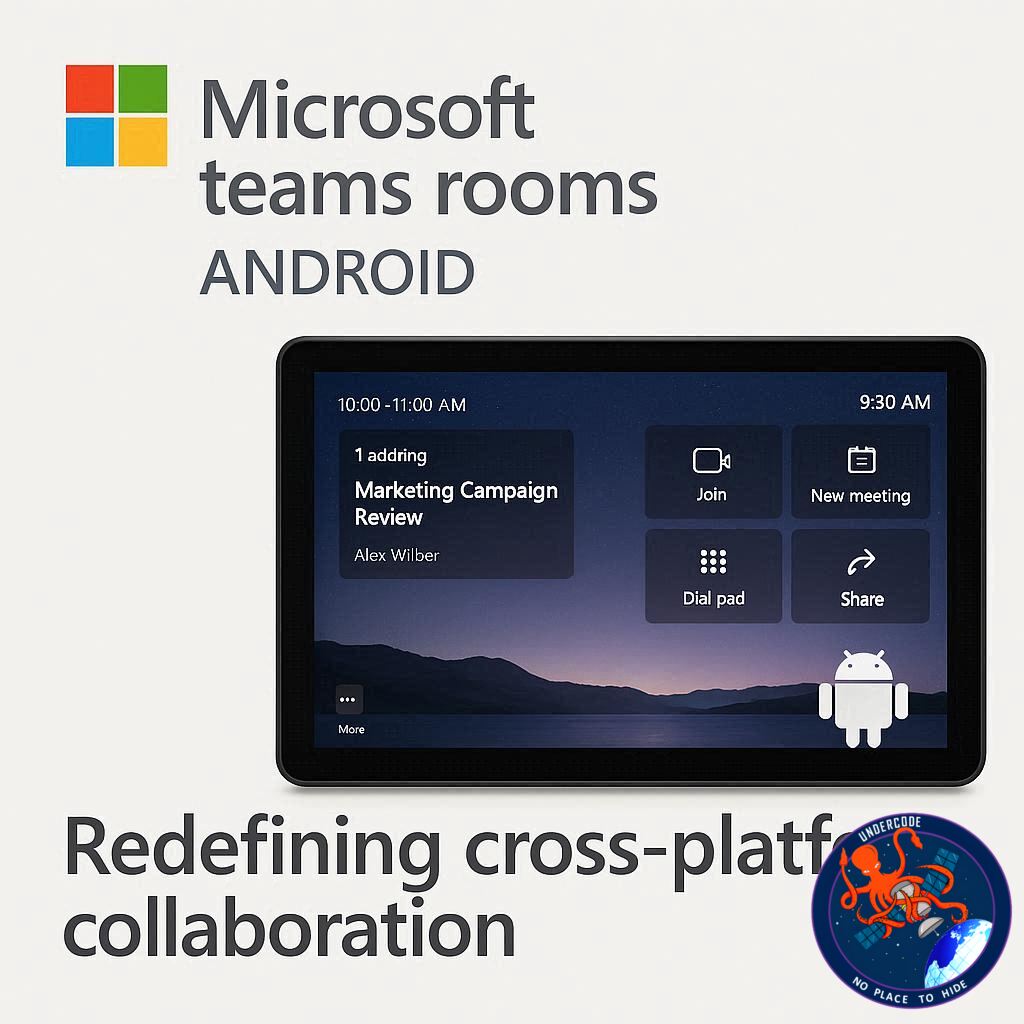
In an era where hybrid work is no longer optional, enterprises demand seamless, flexible, and secure collaboration solutions. Microsoft is stepping up to meet these expectations with a major update to its Teams Rooms hardware on Android, aiming to remove long-standing barriers between different video conferencing platforms. This move signals a significant shift toward open interoperability and enhanced enterprise communication experiences.
Microsoft Teams Rooms on Android will soon natively support joining third-party meetings using the Session Initiation Protocol (SIP). Historically, organizations faced friction when trying to connect Teams-optimized conference room hardware with platforms like Zoom or Cisco Webex. Often, workarounds such as personal laptops or additional devices were required, creating inefficiencies and complicating IT management. By embedding SIP support directly into Teams Rooms devices, Microsoft allows users to join external meetings effortlessly from the familiar Teams interface, streamlining workflows and reducing hardware redundancy.
The update, tracked under Microsoft Roadmap ID 558539, represents a broader commitment to open ecosystem collaboration. SIP, a widely adopted communication protocol, enables voice and video sessions across diverse platforms. Microsoft’s approach ensures that cross-platform meetings maintain enterprise-grade security, including encryption, authentication, and IT policy controls. This feature, however, requires a Microsoft Teams Rooms Pro license, targeting organizations that prioritize advanced device management and premium interoperability.
The rollout strategy spans multiple cloud environments, including standard multi-tenant deployments and specialized government clouds such as GCC, GCC High, and DoD. This careful approach ensures that highly regulated sectors, like federal agencies and defense contractors, can adopt cross-platform collaboration without compromising compliance standards. Organizations are encouraged to audit current Teams Rooms Pro licenses and assess hardware readiness ahead of the June 2026 general availability launch.
By supporting SIP-based external joins, Microsoft positions Teams Rooms as a future-ready solution in a multi-platform world. The update addresses key pain points in hybrid and remote work, allowing enterprises to collaborate more efficiently with clients, vendors, and partners, regardless of the conferencing platform used. This step highlights the growing industry trend toward interoperability and flexible, user-friendly enterprise communication tools.
What Undercode Say:
Microsoft’s decision to integrate SIP support into Teams Rooms on Android is both timely and strategically significant. The move aligns with broader trends in enterprise IT toward vendor-agnostic collaboration, which allows organizations to reduce friction and maximize productivity across mixed technology environments. By eliminating the need for complex workarounds, IT teams can allocate resources more effectively, improving overall operational efficiency.
From a technical perspective, SIP integration represents a maturation of the Teams Rooms ecosystem. It allows voice and video sessions to flow seamlessly between platforms while maintaining the security and policy controls enterprises expect from Microsoft solutions. This not only enhances user experience but also reduces potential vulnerabilities that arise when multiple third-party tools are chained together.
The requirement of a Teams Rooms Pro license ensures that the feature targets enterprise environments with advanced collaboration needs. While this may limit adoption in smaller organizations, it emphasizes Microsoft’s focus on large-scale deployments where the impact of interoperability is most significant. The licensing model also supports premium management tools and compliance features, which are essential for industries operating under strict regulatory requirements.
Analytically, the update strengthens Microsoft’s competitive positioning in the unified communications market. Organizations often face challenges when managing diverse collaboration tools, and SIP support directly addresses these pain points. By prioritizing cross-platform flexibility, Microsoft enhances Teams Rooms’ value proposition, positioning it as a robust solution for hybrid workplaces where multi-vendor collaboration is inevitable.
Security and compliance remain central to the rollout. Supporting SIP joins without compromising existing Teams security frameworks ensures that organizations can adopt the new functionality without exposing sensitive data. This is particularly relevant for government agencies and highly regulated industries that have historically been cautious about external integrations.
The integration is also a clear signal that Microsoft is adapting to evolving enterprise collaboration trends. Companies increasingly prefer solutions that are flexible, interoperable, and capable of bridging multiple communication platforms. This update could set a precedent for other software and hardware vendors, encouraging wider adoption of open, standards-based interoperability in enterprise communication.
Operationally, the update is expected to reduce costs associated with maintaining multiple hardware endpoints and simplify IT support. Users will experience a more consistent interface, eliminating the learning curve associated with switching between platforms. This not only improves user satisfaction but also increases meeting efficiency—a key metric in hybrid work productivity studies.
Looking ahead, Microsoft’s strategy of rolling out the feature across both standard and government cloud instances demonstrates foresight. It balances accessibility with compliance, ensuring that enterprises of all sizes and regulatory needs can benefit from the innovation. By embedding interoperability at the hardware level rather than relying solely on software solutions, Microsoft strengthens Teams Rooms’ long-term relevance in the enterprise collaboration ecosystem.
Fact Checker Results:
Microsoft Teams Rooms on Android will support SIP-based external meeting joins, confirmed by Microsoft Roadmap ID 558539.
The feature requires a Teams Rooms Pro license, targeting enterprise-level deployments.
The general availability rollout is scheduled for June 2026 across standard and government cloud environments.
Prediction:
This update is likely to accelerate adoption of Teams Rooms hardware in multi-platform organizations, particularly those that regularly collaborate with external partners. Enterprises may reduce reliance on auxiliary devices like personal laptops or third-party endpoints, leading to simplified IT management and lower operational costs. Microsoft’s proactive approach to compliance and security ensures that even highly regulated industries can adopt the technology confidently. Over the next 2–3 years, we can expect SIP integration to become a standard expectation for enterprise collaboration hardware, driving other vendors to enhance their cross-platform compatibility in response.
🕵️📝Let’s dive deep and fact‑check.
References:
Reported By: cyberpress.org
Extra Source Hub (Possible Sources for article):
https://www.reddit.com/r/AskReddit
Wikipedia
OpenAi & Undercode AI
Image Source:
Unsplash
Undercode AI DI v2
Bing
🔐JOIN OUR CYBER WORLD [ CVE News • HackMonitor • UndercodeNews ]
📢 Follow UndercodeNews & Stay Tuned:
𝕏 formerly Twitter 🐦 | @ Threads | 🔗 Linkedin | 🦋BlueSky | 🐘Mastodon


