
Listen to this Post
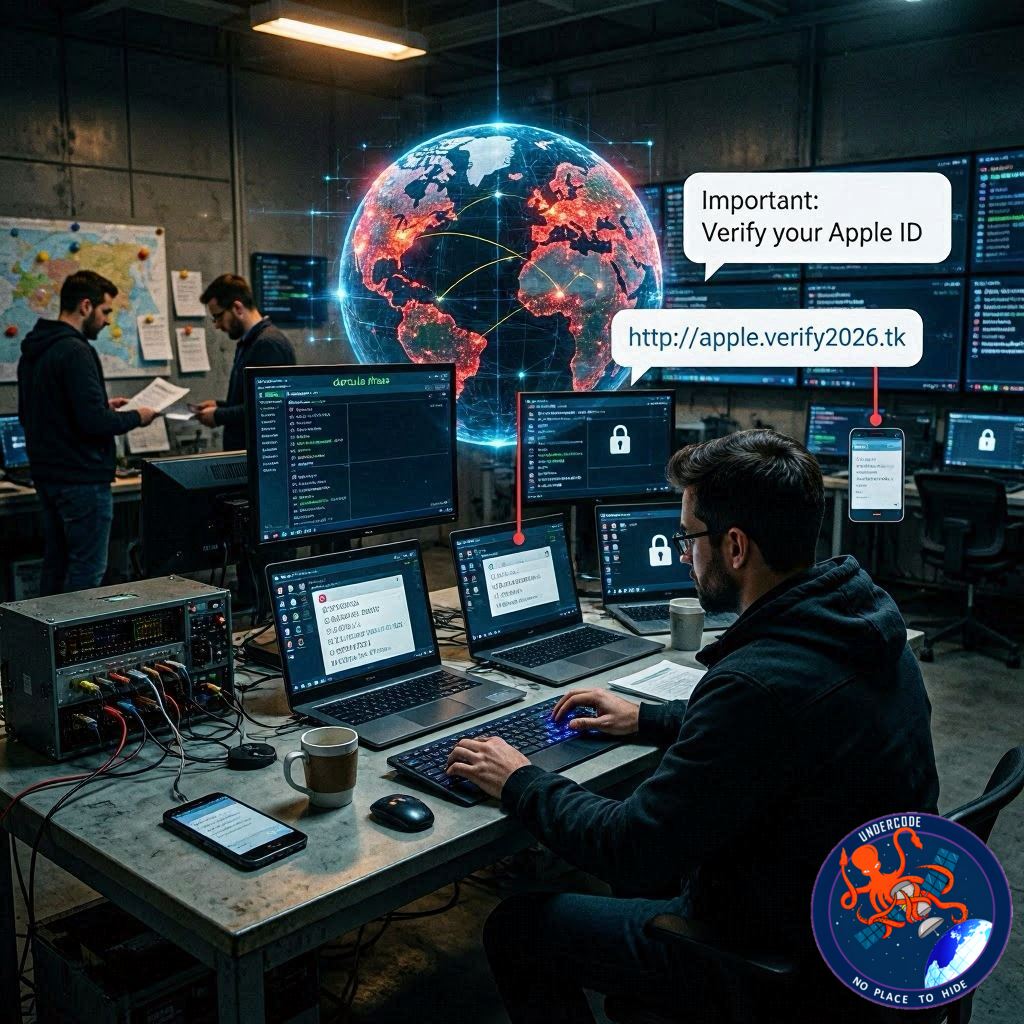 🔥 Introduction: A Rapidly Scaling Cybercrime Machine Goes Global
The cyber threat landscape is entering a new phase where phishing is no longer a simple email trick, but a fully industrialized service ecosystem. Recent threat intelligence highlights how Chinese-language Phishing-as-a-Service (PhaaS) groups are scaling operations at unprecedented speed. These groups are leveraging modern communication channels such as RCS messaging and Apple iMessage, while simultaneously bypassing Multi-Factor Authentication (MFA) through OTP interception and payment tokenization techniques. One of the most prominent ecosystems linked to this surge is “Darcula,” a monetization-driven phishing infrastructure that combines AI-generated phishing kits with localized targeting strategies to maximize financial theft across regions like Japan and beyond.
📊 the Cyber Threat Report
Cybersecurity analysts report a significant escalation in PhaaS operations, especially among Chinese-language cybercrime groups that have industrialized phishing into a scalable service model. These groups now rely on advanced communication vectors such as Rich Communication Services (RCS) and Apple iMessage, enabling them to bypass traditional email-based defenses. Attackers are increasingly intercepting one-time passwords (OTPs), allowing them to defeat MFA protections that were previously considered strong enough to stop account takeover attempts. Another emerging tactic involves payment wallet tokenization abuse, where stolen payment credentials are converted into reusable digital tokens, enabling continuous fraudulent transactions without triggering immediate fraud detection systems.
The “Darcula” ecosystem has become a focal point of concern due to its ability to monetize stolen financial data at scale. By integrating AI-generated phishing pages, attackers can rapidly deploy highly convincing login portals tailored to specific regions and languages, increasing victim engagement rates significantly. Reports also highlight a separate but related ransomware incident involving Brazil’s SECONT (Secretaria de Controle e Transparência), where attackers allegedly used stolen data samples as proof of access before demanding ransom payments. This reflects a broader shift in cybercrime tactics, where attackers combine data theft, psychological pressure, and AI automation to maximize extortion success rates. The overall trend indicates a merging of phishing, ransomware, and fraud ecosystems into a unified criminal infrastructure.
🧠 What Undercode Say:
⚙️ Industrialization of Phishing-as-a-Service Ecosystems
The evolution of PhaaS groups into structured cybercrime enterprises marks a fundamental shift in digital threats. Instead of isolated attackers, we now see organized ecosystems where phishing kits, infrastructure, hosting, and monetization are all commoditized. This lowers the entry barrier for cybercrime, enabling even low-skill actors to launch highly sophisticated attacks. The Darcula network demonstrates how cybercrime is increasingly operating like a SaaS business model, complete with updates, templates, and customer support channels for criminals.
📱 Abuse of Modern Messaging Protocols and Trust Channels
The exploitation of RCS and iMessage is particularly dangerous because these platforms bypass traditional email security filters. Victims are more likely to trust messages delivered through native SMS-like systems, which dramatically increases click-through rates. Attackers are weaponizing this trust layer, embedding phishing links that mimic bank alerts, delivery notifications, or authentication requests. This shift signals a collapse of the “email firewall era,” pushing cybersecurity defenses into mobile-first threat detection strategies.
🤖 AI-Generated Phishing at Industrial Scale
AI-generated phishing pages represent one of the most disruptive developments in cybercrime. Instead of manually designing fake login portals, attackers can now automate the generation of highly realistic replicas in multiple languages and branding styles. This enables rapid deployment across different countries without needing localized expertise. The result is a global phishing infrastructure that adapts dynamically to victim geography, increasing success rates significantly.
💳 MFA Bypass Through OTP Interception and Tokenization Abuse
Multi-factor authentication has long been considered a strong defense layer, but attackers are actively dismantling it through real-time OTP interception and session hijacking. Once credentials are stolen, payment tokenization techniques allow attackers to reuse financial authentication tokens without triggering traditional fraud alerts. This creates persistent access to victim accounts, effectively turning one-time breaches into long-term financial exploitation channels.
🌍 Convergence of Phishing and Ransomware Economies
The reported ransomware activity against Brazil’s SECONT highlights a growing convergence between phishing operations and ransomware groups. Stolen data is not just used for immediate fraud but also for extortion campaigns that increase psychological pressure on victims. By combining data leakage evidence with ransomware demands, attackers increase the likelihood of payment, especially in government or public-sector environments where reputational damage is critical.
📈 Monetization-Driven Cybercrime Evolution
Cybercrime is increasingly driven by profit optimization rather than ideological or opportunistic attacks. Platforms like Darcula are designed to maximize conversion rates, automate victim targeting, and reduce operational friction. This commercialization of cybercrime mirrors legitimate digital marketing ecosystems, except the end goal is financial theft rather than product sales.
🔐 Weakness in Mobile Authentication Ecosystems
Mobile-first authentication systems are becoming the weakest link in cybersecurity architectures. As attackers pivot away from desktop-based phishing, mobile ecosystems are now the primary battlefield. SMS replacement protocols like RCS, combined with messaging app trust, create an environment where users are less skeptical and more vulnerable to social engineering.
🧩 Fragmentation of Cyber Defense Models
Traditional cybersecurity frameworks are struggling to keep up with this multi-channel attack surface. Defenses built around email filtering and endpoint protection are no longer sufficient. A fragmented approach to mobile, messaging, and financial authentication security is creating exploitable gaps that attackers are actively leveraging.
🔍 Fact Checker Results
🧾 Fact Check 1: Darcula PhaaS Existence
The Darcula phishing ecosystem has been referenced in cybersecurity threat reporting, but attribution and full technical structure remain partially unverified across independent sources.
🧾 Fact Check 2: RCS and iMessage Exploitation Claims
While phishing via SMS and messaging apps is widely documented, specific large-scale exploitation of iMessage and RCS varies by region and threat actor confirmation.
🧾 Fact Check 3: Brazil SECONT Ransomware Incident
The ransomware claim against Brazil’s SECONT is reported as an allegation; official confirmation and forensic validation may still be pending.
📉 Prediction
The next phase of cybercrime will likely involve deeper AI integration into phishing infrastructure, enabling real-time adaptive scams that change based on victim behavior. Messaging platforms will continue to replace email as the primary attack vector, forcing security vendors to shift toward behavioral AI detection. Ransomware groups and phishing-as-a-service ecosystems will increasingly merge, creating hybrid criminal organizations that operate across fraud, extortion, and data monetization simultaneously.
🕵️📝Let’s dive deep and fact‑check.
References:
Reported By: x.com
Extra Source Hub (Possible Sources for article):
https://www.medium.com
Wikipedia
OpenAi & Undercode AI
Image Source:
Unsplash
Undercode AI DI v2
Bing
🔐JOIN OUR CYBER WORLD [ CVE News • HackMonitor • UndercodeNews ]
📢 Follow UndercodeNews & Stay Tuned:
𝕏 formerly Twitter 🐦 | @ Threads | 🔗 Linkedin | 🦋BlueSky | 🐘Mastodon | 📺Youtube


