
Listen to this Post
Introduction
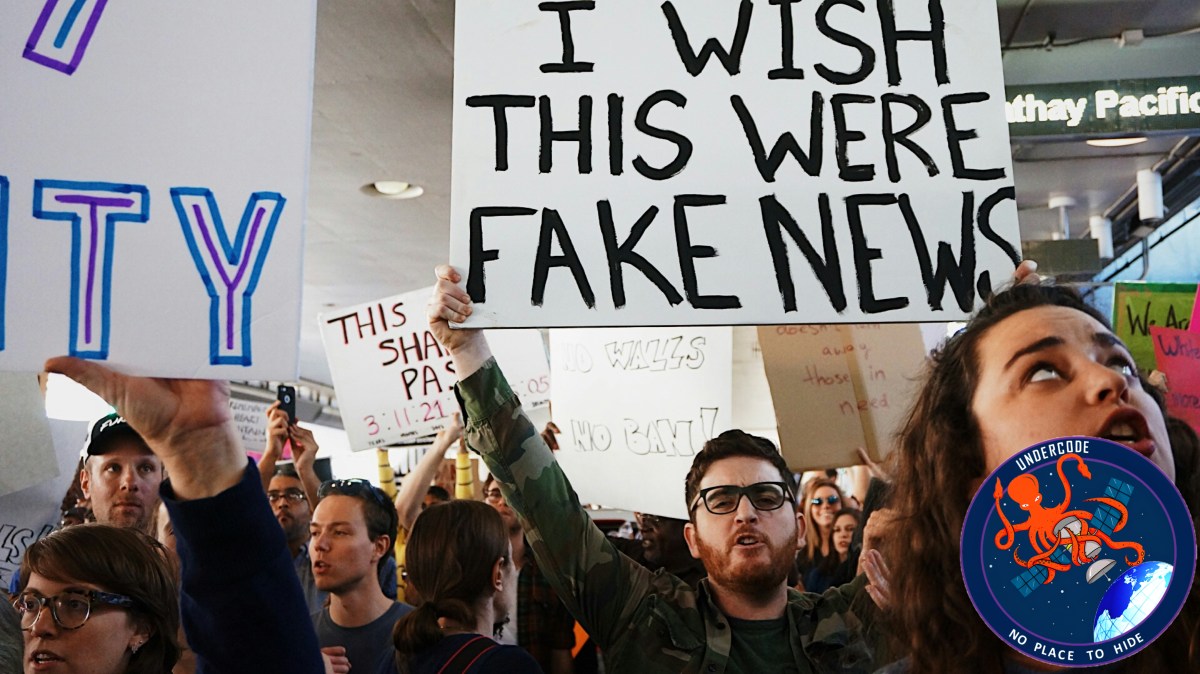
In a political era dominated by media spin and selective storytelling, former President Donald Trump is once again at the center of a heated debate over facts, perception, and the reshaping of reality. His recent actions — from firing top officials to dismissing unfavorable economic reports — reflect a deepening commitment to controlling the narrative of his presidency. What’s unfolding is more than just political posturing; it’s a calculated effort to redefine truth itself in the eyes of the public. As polls dip, public opinion shifts, and economic data delivers mixed signals, Trump appears determined to bend the conversation to fit his vision of a “Golden Age” America.
Main Overview
Trump’s long-running push to sideline inconvenient facts is intensifying. Federal agencies are increasingly echoing his version of events, where good poll numbers are embraced and bad ones dismissed as fabrications. Positive job statistics are celebrated, while negative reports — often from the same sources — are painted as deliberate attempts to tarnish his image.
His approach to political accountability follows a clear pattern: allegations against Democrats are treated as urgent matters requiring investigation, while accusations against him are framed as partisan “witch hunts.” This strategy was on full display when he abruptly fired the commissioner of the Bureau of Labor Statistics after a disappointing jobs report, accusing the agency of manipulating figures without presenting evidence.
Despite a sustained drop in public approval — RealClearPolitics places him at 46% since mid-March — Trump publicly claims record-high popularity. He continues to promote his major legislative achievement, referred to as his “big, beautiful bill,” even though more than half of voters oppose it according to multiple polls.
On immigration, his administration has embraced aggressive deportation tactics, pursuing a hardline stance even as public sentiment has moved toward moderation. Trump’s rhetoric also extends to foreign policy, where he has claimed to have “stopped six wars,” despite ongoing conflicts in Gaza and Ukraine.
Economically, he highlights successes such as stable inflation, yet pairs them with exaggerated or false claims, like reducing drug prices by 1,500% or lowering gas prices to \$2. His presidency’s narrative began in his inaugural address with promises of a “Golden Age,” quickly declared fulfilled rather than being treated as an ongoing effort.
The push to brand the “Trump Economy” — announced just days before an unfavorable jobs report — exemplifies his method of claiming victories first and reframing setbacks as sabotage. Whether it’s poll numbers, economic data, or foreign relations, Trump’s strategy is clear: control the storyline, dispute dissenting facts, and present an image of unbroken success.
What Undercode Say:
Trump’s tactic of controlling the narrative is not unique in politics, but the scale and frequency with which he deploys it stand out. This approach reflects a deliberate use of information warfare — not just managing public relations, but actively reshaping perceived reality.
From a political strategy perspective, it’s an effective way to maintain a loyal base. Supporters who distrust traditional media are more likely to accept Trump’s framing of events, especially when it aligns with their preexisting beliefs. This “echo chamber” effect reinforces loyalty and reduces the impact of negative coverage.
However, there are significant risks. Constantly dismissing unfavorable data can erode credibility with undecided voters and moderates. While core supporters may accept claims without evidence, swing voters often look for verifiable facts. When repeated exaggerations — such as the 1,500% drug price cut claim — are debunked, they create opportunities for opponents to label the administration as dishonest.
The economic dimension is particularly crucial. By attacking the Bureau of Labor Statistics after one poor jobs report, Trump signaled that even long-standing institutions could be undermined if they produced inconvenient results. This sets a precedent where agencies feel pressured to tailor data to political expectations, risking the integrity of public statistics.
In foreign policy, claims of “ending wars” despite ongoing conflicts reveal a broader pattern of overstating victories while minimizing unresolved issues. This can generate short-term political capital but also raises questions about long-term problem-solving capabilities.
The immigration stance further illustrates the divide between policy reality and political messaging. While polls show increasing public favor toward moderate solutions, Trump’s administration doubled down on high-profile deportation raids. This appeals strongly to certain voter blocs but alienates others, creating a polarization that could impact electoral margins.
In communication terms, Trump has mastered narrative inoculation — preemptively framing negative developments as biased attacks. This blunts the effect of damaging news before it fully lands, a tactic often seen in corporate crisis management but rarely applied so consistently in politics.
Ultimately, the Trump strategy hinges on perception over precision. The goal is not to win every fact-check battle, but to ensure the overarching image of success remains dominant. By continuously framing himself as a victim of unfair attacks, he taps into an undercurrent of grievance politics that resonates deeply with his base.
The sustainability of this approach will depend on whether economic realities, foreign policy challenges, and shifting demographics eventually outpace the strength of his narrative control. If public sentiment moves too far from the version of reality Trump promotes, his ability to reshape the conversation could weaken significantly.
🔍 Fact Checker Results
✅ Trump’s approval rating is indeed around 46%, as per RealClearPolitics.
❌ No credible evidence supports claims of a 1,500% drug price drop or \$2 gas.
✅ The recent jobs report was objectively poor compared to previous months.
📊 Prediction
If economic performance worsens before the 2026 midterms, Trump will likely intensify his attacks on official data sources, framing them as politically motivated. His strategy will pivot toward energizing his base through grievance narratives, even at the cost of alienating moderates. Expect sharper divisions in public opinion and a further erosion of institutional trust.
🕵️📝✔️Let’s dive deep and fact‑check.
References:
Reported By: axioscom_1754755680
Extra Source Hub:
https://www.digitaltrends.com
Wikipedia
OpenAi & Undercode AI
Image Source:
Unsplash
Undercode AI DI v2
🔐JOIN OUR CYBER WORLD [ CVE News • HackMonitor • UndercodeNews ]
📢 Follow UndercodeNews & Stay Tuned:
𝕏 formerly Twitter 🐦 | @ Threads | 🔗 Linkedin | 🦋BlueSky | 🐘Mastodon


