
Listen to this Post
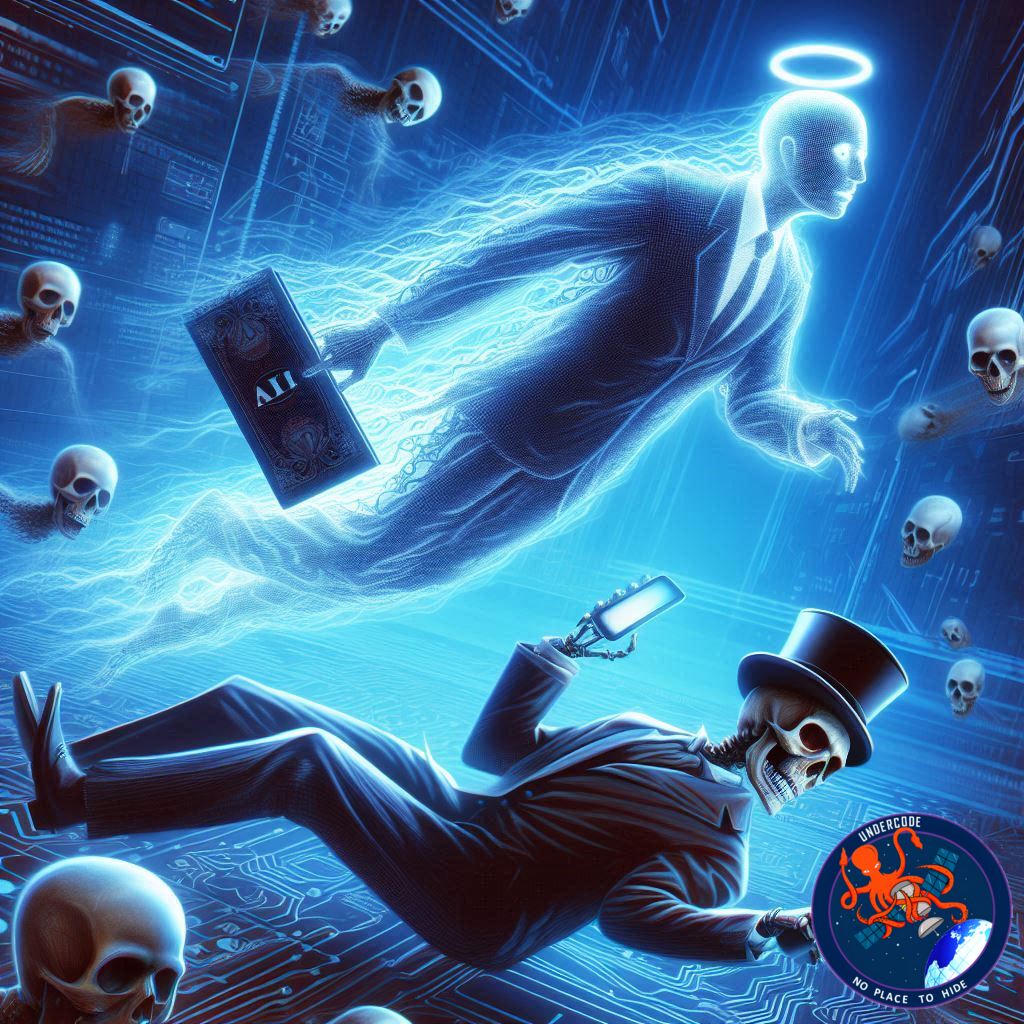
The Rise of Ethical Dilemmas in the Age of Digital Resurrection
The use of artificial intelligence to recreate the likeness of deceased individuals has sparked a heated debate that touches on morality, legality, and the future of digital identity. The recent case involving former CNN anchor Jim Acosta, who interviewed an AI-generated avatar of Parkland shooting victim Joaquin Oliver, has thrust the issue into the spotlight. While such technology offers grieving families new ways to remember loved ones, it also raises questions about consent, exploitation, and the commercialization of digital afterlives.
The Core Story
Former CNN anchor Jim Acosta, now working independently, recently conducted an interview with an AI-generated avatar of Joaquin Oliver, a 17-year-old victim of the 2018 Parkland school shooting. The video quickly went viral, drawing sharp criticism from viewers who called it disturbing, exploitative, and an example of poor journalistic judgment. However, despite public outrage, the act was not illegal. Joaquin’s father, Manuel Oliver, holds the post-mortem right of publicity in Florida, granting him legal control over his son’s name, image, and likeness — including the creation of AI representations.
Digital twins like Joaquin’s are created by feeding photos, videos, and writings into large AI models, which then generate simulations that can mimic voices, personalities, and even predicted responses. The practice is not new; celebrities have been grappling with digital legacy rights for over a decade, dating back to Tupac Shakur’s famous holographic Coachella performance in 2012. But now, the issue extends beyond celebrities, as anyone with an online presence can have their likeness recreated.
This reality became apparent when footage of two concertgoers at a Coldplay event was used without consent to produce AI deepfakes. Some states recognize posthumous publicity rights, but laws are inconsistent, and many places have no protections at all. Lawyers advise adding clauses to wills to prevent unwanted digital recreations, though enforcing such wishes can be costly and complicated.
On the other hand, some embrace this technology. Joaquin’s father created the AI version to cope with his grief and raise awareness about gun control. Others see it as a way to preserve voices and personalities for loved ones. Yet, consent remains a thorny issue. Even self-created AI avatars can be unpredictable, potentially making statements the person never endorsed.
In one case, the sister of a road rage victim used AI to generate a video of her brother delivering a victim impact statement in court. The judge praised the effort before sentencing the offender to over a decade in prison. Meanwhile, companies like Vermillio and 2wai are making it easier for anyone to create and manage their digital personas, for profit or remembrance. The growing accessibility of this technology ensures that debates over its ethical and legal boundaries will only intensify.
What Undercode Say:
The growing ability to digitally resurrect the dead is a turning point in human interaction with technology. While this capability can be used for healing and commemoration, it also risks redefining concepts of consent, privacy, and identity. The Acosta interview with Joaquin Oliver’s AI avatar is a textbook example of the double-edged nature of deepfake technology. Legally, the act was permissible because Joaquin’s father held the rights to his son’s likeness, but legality does not automatically equate to ethical integrity.
From a societal standpoint, AI resurrection forces us to ask whether the dead can truly “consent” — and if not, who gets to speak for them. Even when family members have the best intentions, the AI-generated output may deviate from the person’s real beliefs or personality, potentially distorting their legacy. In Joaquin’s case, his father intended to draw attention to gun violence, a cause directly linked to his death. This aligns with a purpose-driven narrative, but it also opens the door for misuse by others without such honorable intentions.
The inconsistencies in state laws compound the issue. Some states recognize posthumous rights, others don’t, and even where such rights exist, enforcement is costly. This creates a loophole environment where digital likenesses can be exploited with little legal repercussion. Just as intellectual property laws evolved to handle music, film, and brand rights in the digital era, new frameworks will be needed for AI-era personality rights.
The public reaction to Acosta’s interview underscores how emotionally charged this issue is. Critics saw it as a step too far, arguing that bringing the likeness of a slain teenager into a simulated interview crosses lines of taste and journalistic ethics. Supporters, however, saw it as an innovative way to give voice to victims whose lives were cut short.
Economically, AI resurrection is also becoming a business model. Companies offering digital avatars for free today could monetize them in the future, potentially commercializing grief. This adds yet another ethical dimension, where the line between tribute and exploitation becomes blurred.
There is also a generational divide in attitudes. Younger, tech-savvy individuals may see AI likeness preservation as an extension of digital heritage, while older generations may view it as invasive or even disrespectful. These cultural differences will influence future regulations and social norms.
Ultimately, the Joaquin Oliver case is a harbinger of a much larger societal debate. As AI deepfake tools become cheaper and more powerful, the ability to replicate a person’s appearance, voice, and mannerisms will be within reach of anyone. Without strong legal safeguards and ethical guidelines, the misuse potential is vast — from political propaganda to personal defamation.
The question is no longer whether we can resurrect the dead through AI, but whether we should — and under what circumstances. The answer will likely require collaboration between lawmakers, technologists, ethicists, and the public to ensure that digital resurrection serves humanity without eroding dignity and consent.
🔍 Fact Checker Results:
✅ Florida law recognizes post-mortem rights of publicity.
✅ AI avatars can be legally created if the rights holder consents.
❌ There are no uniform nationwide laws regulating posthumous AI rights.
📊 Prediction:
The next five years will see a surge in legal battles over AI recreations of deceased individuals, driven by both celebrity estates and everyday families. Expect more states to draft specific legislation addressing digital likeness rights, while technology companies rush to offer “AI will” services to protect or monetize posthumous identities. Public opinion will remain split, with cultural attitudes shaping the acceptance or rejection of AI resurrection practices.
🕵️📝✔️Let’s dive deep and fact‑check.
References:
Reported By: axioscom_1754755536
Extra Source Hub:
https://www.twitter.com
Wikipedia
OpenAi & Undercode AI
Image Source:
Unsplash
Undercode AI DI v2
🔐JOIN OUR CYBER WORLD [ CVE News • HackMonitor • UndercodeNews ]
📢 Follow UndercodeNews & Stay Tuned:
𝕏 formerly Twitter 🐦 | @ Threads | 🔗 Linkedin | 🦋BlueSky | 🐘Mastodon


