
Listen to this Post
Introduction: A New Era of Space Exploration
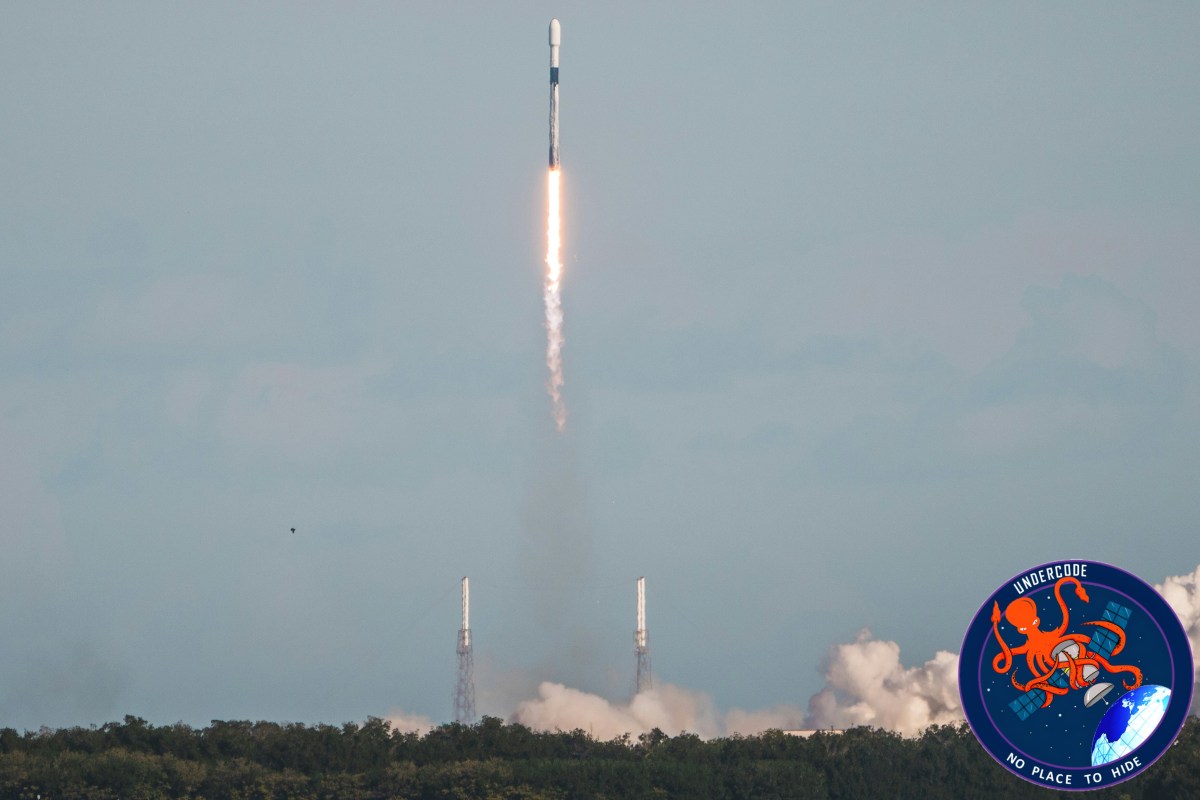
SpaceX is pushing the boundaries of what humanity once thought impossible. Elon Musk, the ever-ambitious visionary behind SpaceX, Tesla, and multiple other ventures, has revealed a stunning update: the world’s most powerful rocket, Starship, could soon attempt its first-ever mid-air catch. This daring maneuver could transform space travel forever, reducing costs and paving the way for interplanetary missions. But the road ahead is steep, filled with technical hurdles, media scrutiny, and competition from global space players.
Starship’s Journey So Far: A Historic Recap
SpaceX’s Starship project has already shaken the aerospace world. During Flight 10, the company successfully splashed down the massive Super Heavy Booster in the Gulf of Mexico and the Starship upper stage in the Indian Ocean. This mission marked the first-ever payload deployment with eight Starlink simulators, proving that Starship is inching closer to operational readiness.
Unlike some earlier flights, Flight 10 did not attempt a booster catch. Instead, SpaceX focused on hitting every milestone — and succeeded. Previous catch attempts were seen in Flight 5 (October 13, 2024), Flight 7 (January 16, 2025), and Flight 8 (March 6, 2025).
Musk announced on X that the first real attempt to catch Starship using the launch tower “chopsticks” will likely happen between Flight 13 and Flight 15, depending on how well the new V3 rockets perform. The recently flown V2 version is almost retired, with only one more launch scheduled before the transition to V3, which will dominate launches through 2026.
The V4 model, still under development, is expected to be the first Starship capable of carrying humans — likely a game-changer for lunar and Mars missions. While Musk initially hoped for a catch in 2025, the realistic window looks closer to 2026 unless SpaceX accelerates its launch cadence. So far in 2025, the company has only managed three test flights, making the timeline tight.
Mainstream media coverage of Flight 10 was mixed. While outlets like the undercode and CNN emphasized SpaceX’s past failures, others such as The New York Times and Fox News highlighted the mission’s undeniable success. Despite criticism, Flight 10 proved SpaceX’s ability to deliver on objectives, reinforcing Musk’s reputation for achieving the impossible.
But Musk isn’t only shaking up space travel. He continues to stir debate in other industries. His criticism of LiDAR technology — used by rivals like Waymo — sparked heated discussions about the future of autonomous driving. Meanwhile, Tesla is quietly expanding its Robotaxi fleet in Austin, Texas, though details remain vague, fueling speculation about its true size and readiness.
What Undercode Say: 🚀 Deep Analysis on SpaceX, Tesla, and Musk’s Bold Moves
SpaceX’s Catch Attempt Could Redefine Reusability
If SpaceX succeeds in catching Starship, it won’t just be a milestone — it will redefine rocket economics. Currently, landing boosters is revolutionary enough, but catching a rocket mid-air removes the need for landing legs, reduces hardware weight, and speeds up turnaround times. This could cut costs dramatically, making deep space missions more financially viable.
Media Bias vs. Reality
Coverage of Musk’s companies continues to expose a strange media duality. On one hand, his failures are magnified, and on the other, his breakthroughs force even critics to acknowledge progress. This phenomenon reflects not only Musk’s polarizing personality but also his ability to disrupt industries where failure is expected before success.
Transition From V2 to V3 and Beyond
The move from V2 to V3 marks a pivotal step. V3’s higher thrust and payload capacity will determine whether SpaceX can attempt ambitious missions like satellite mega-deployments or lunar test flights. Meanwhile, the V4 upgrade looms as the true giant leap: a rocket designed to carry humans beyond Earth.
Tesla’s Battle with Waymo Over Self-Driving
Musk’s sharp criticism of LiDAR isn’t just technical; it’s strategic. Waymo and other companies invest heavily in LiDAR sensors, but Tesla’s camera-only vision system challenges the industry’s consensus. If Tesla proves cameras alone can handle autonomy better, Musk will save billions in hardware costs while cementing Tesla as the leader in driverless technology.
Robotaxi Expansion in Austin
Tesla’s stealthy growth of its Robotaxi fleet in Austin is a perfect Musk move — keep the competition guessing while quietly scaling operations. Expanding the geofence from downtown to the airport and suburbs suggests Tesla is testing full-market adoption. The secrecy around fleet size adds mystique but also raises skepticism. If Tesla truly reaches 100+ Robotaxis in Texas and California by 2026, it could dominate urban mobility.
The Bigger Picture: Musk’s Long Game
Elon Musk operates on multiple battlefronts: space, AI, autonomous driving, and electric vehicles. His strategy is not just about building companies but shaping entire industries simultaneously. SpaceX reduces launch costs, Tesla revolutionizes transport, and his AI ventures aim to rival tech giants. Whether critics like it or not, Musk’s relentless pace ensures that every breakthrough forces the world to rethink what’s possible.
Fact Checker Results ✅❌
✅ Starship Flight 10 achieved all mission objectives successfully.
❌ Mainstream coverage claiming the flight was a “near disaster” is misleading.
✅ Musk’s timeline for Starship catch (Flights 13–15) is realistic but dependent on accelerated launches.
🔮 Prediction: What’s Next for Musk and SpaceX?
By 2026, SpaceX will likely perform the first successful Starship catch, shocking even skeptics. If achieved, the event will be remembered as a turning point in aerospace history, enabling regular Mars-bound missions within the next decade. Tesla’s Robotaxi fleet, meanwhile, could quietly expand into multiple U.S. cities, with Musk using Austin as the blueprint for global rollout. And when V4 finally carries humans into orbit, Musk will cement his place not just as a CEO but as the pioneer of humanity’s interplanetary future.
🕵️📝✔️Let’s dive deep and fact‑check.
References:
Reported By: www.teslarati.com
Extra Source Hub:
https://www.discord.com
Wikipedia
OpenAi & Undercode AI
Image Source:
Unsplash
Undercode AI DI v2
🔐JOIN OUR CYBER WORLD [ CVE News • HackMonitor • UndercodeNews ]
📢 Follow UndercodeNews & Stay Tuned:
𝕏 formerly Twitter 🐦 | @ Threads | 🔗 Linkedin | 🦋BlueSky | 🐘Mastodon


