
Listen to this Post
Introduction
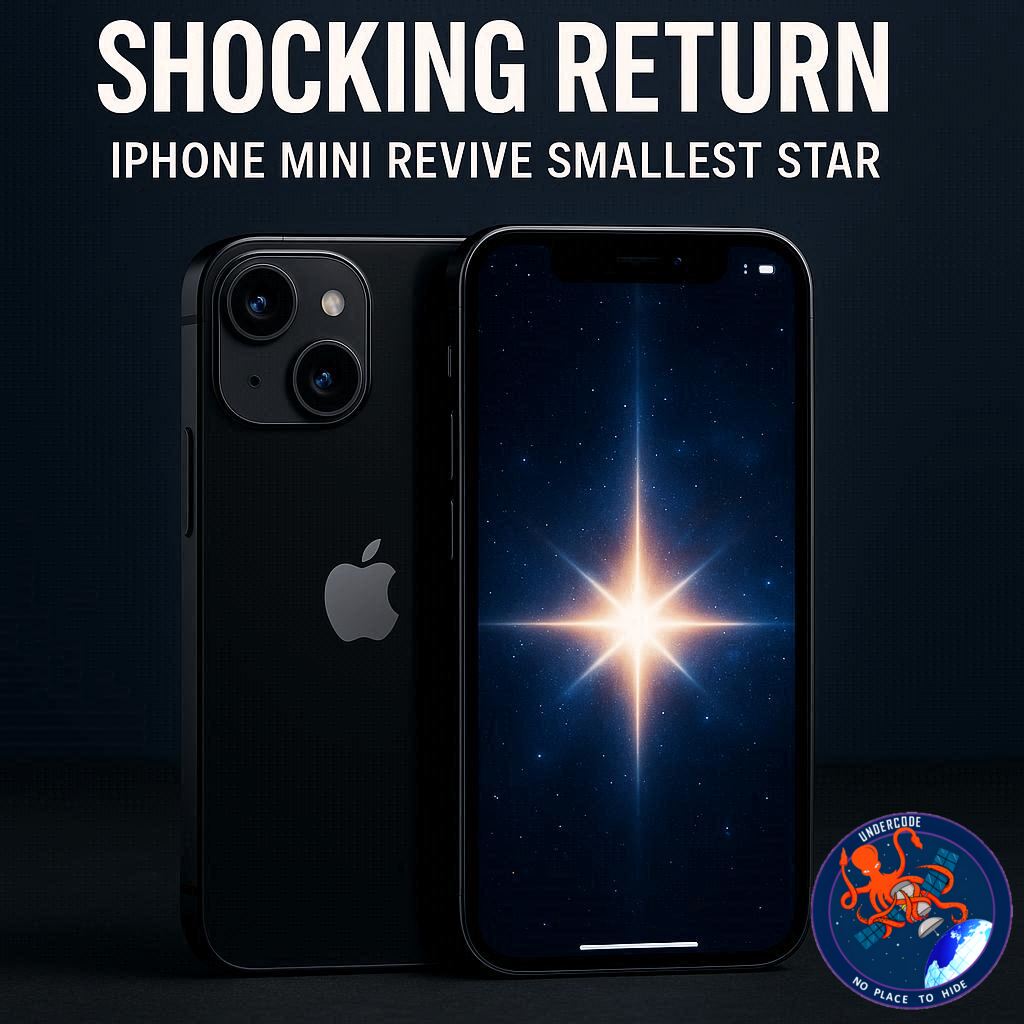
Apple has always had a knack for shaking up the smartphone world, and in 2020, it did just that with the iPhone 12 mini — a compact powerhouse packed with flagship features. Despite its cult following, the mini lineup faded into the background after just two generations. But with Apple’s shifting strategy and the rise of budget-conscious buyers, whispers of a comeback are growing louder. Could the iPhone mini rise from the ashes and reclaim its niche? Let’s break it down.
iPhone Mini: A Short but Impactful History
The iPhone 12 mini shocked the market by compressing Apple’s cutting-edge tech into a 5.4-inch device. Its successor, the iPhone 13 mini, followed in 2021 but marked the end of the line. Apple replaced the mini with the much larger iPhone 14 Plus — a decision that reflected shifting consumer preferences toward bigger screens and longer battery life.
So why did the mini fail? The biggest culprit was price versus practicality. At \$699, buyers compared it with larger iPhones that only cost \$100 more but offered significantly better battery life. While people loved the idea of a small phone, they weren’t willing to compromise so heavily at such a high cost.
Apple had once nailed this formula with the iPhone SE in 2016 — an affordable, compact device that delivered excellent value. The mini, however, never hit that sweet spot, making it more of a niche choice than a mainstream hit.
A New Opening for the iPhone Mini
In 2024, Apple launched the iPhone 16e at \$599, essentially a reimagined iPhone 14 with updated internals and USB-C. It’s available only in a 6.1-inch size. However, this new “e” series could open the door for a smaller sibling — perhaps an iPhone 16e mini priced at \$499.
At this price point, the trade-offs of a smaller device — like shorter battery life — would feel far more reasonable. Plus, the research and development for the mini already exists, making it relatively easy for Apple to reintroduce.
Reports also suggest Apple may adopt a staggered release cycle in 2026, with its Pro and Air models launching in fall and standard/e models launching in spring. If true, a potential iPhone 18e mini could get its own spotlight, boosting its chances of mainstream recognition.
Consumer Sentiment and Current Deals
Many loyal fans still cling to their minis. As one user noted, the 13 mini remains perfectly functional, pocket-friendly, and stylish despite aging battery health. For those unwilling to wait for a revival, refurbished models have become highly affordable. The iPhone 12 mini can be found under \$200, and the iPhone 13 mini is available for under \$300 in excellent condition.
These deals highlight that while Apple may have moved on, consumer appetite for small, reliable iPhones has not disappeared.
What Undercode Say:
The iPhone mini’s story is a fascinating case study of how innovation collides with market reality. Apple introduced something unique, but the market spoke loudly — people want value in addition to form factor.
If Apple reintroduces a mini under the “e” lineup at a lower price, it could capture three key segments:
- Young buyers who want an affordable iPhone without compromising style.
- Minimalists who prefer portability and simplicity over large displays.
- Collectors and enthusiasts who value compact devices as part of Apple’s history.
From a business perspective, Apple thrives on ecosystem lock-in. A \$499 iPhone mini could act as a gateway device, pulling budget-conscious users into Apple’s services like iCloud, Apple Music, and Apple Pay. This strategy mirrors the original iPhone SE, which built loyalty among first-time buyers.
However, challenges remain. Modern apps and video consumption trends favor larger displays. Battery density limitations make small phones inherently less practical for power users. Competitors like Samsung and Google rarely attempt compact flagships, which indicates the risks are high.
Still, Apple has one advantage others don’t: brand power. When Apple makes small phones, they instantly gain cultural weight. A marketing push emphasizing nostalgia, sustainability (smaller devices = less material use), and affordability could reignite interest.
The resale value of minis also speaks volumes. Even years later, refurbished minis hold solid demand. That indicates a loyal secondary market — something Apple could monetize directly with trade-in programs and certified refurbished sales.
In essence, the iPhone mini might not dominate the mainstream, but it doesn’t have to. It only needs to carve out a sustainable niche. For Apple, that niche could be extremely profitable without cannibalizing its larger iPhone sales.
✅ Fact Checker Results
The iPhone mini did exist for only two generations (12 and 13).
Its high price and weak battery life were major reasons for poor sales.
Apple has not officially confirmed a new mini, but analyst reports hint at lineup restructuring.
🔮 Prediction
If Apple launches an iPhone 18e mini in 2026, priced around \$499, it could spark a resurgence of compact phones. While it won’t outsell Pro models, it could dominate as the “premium budget iPhone” and become the spiritual successor to the SE — beloved, affordable, and iconic.
🕵️📝✔️Let’s dive deep and fact‑check.
References:
Reported By: 9to5mac.com
Extra Source Hub:
https://www.quora.com
Wikipedia
OpenAi & Undercode AI
Image Source:
Unsplash
Undercode AI DI v2
🔐JOIN OUR CYBER WORLD [ CVE News • HackMonitor • UndercodeNews ]
📢 Follow UndercodeNews & Stay Tuned:
𝕏 formerly Twitter 🐦 | @ Threads | 🔗 Linkedin | 🦋BlueSky | 🐘Mastodon


