
Listen to this Post
Introduction
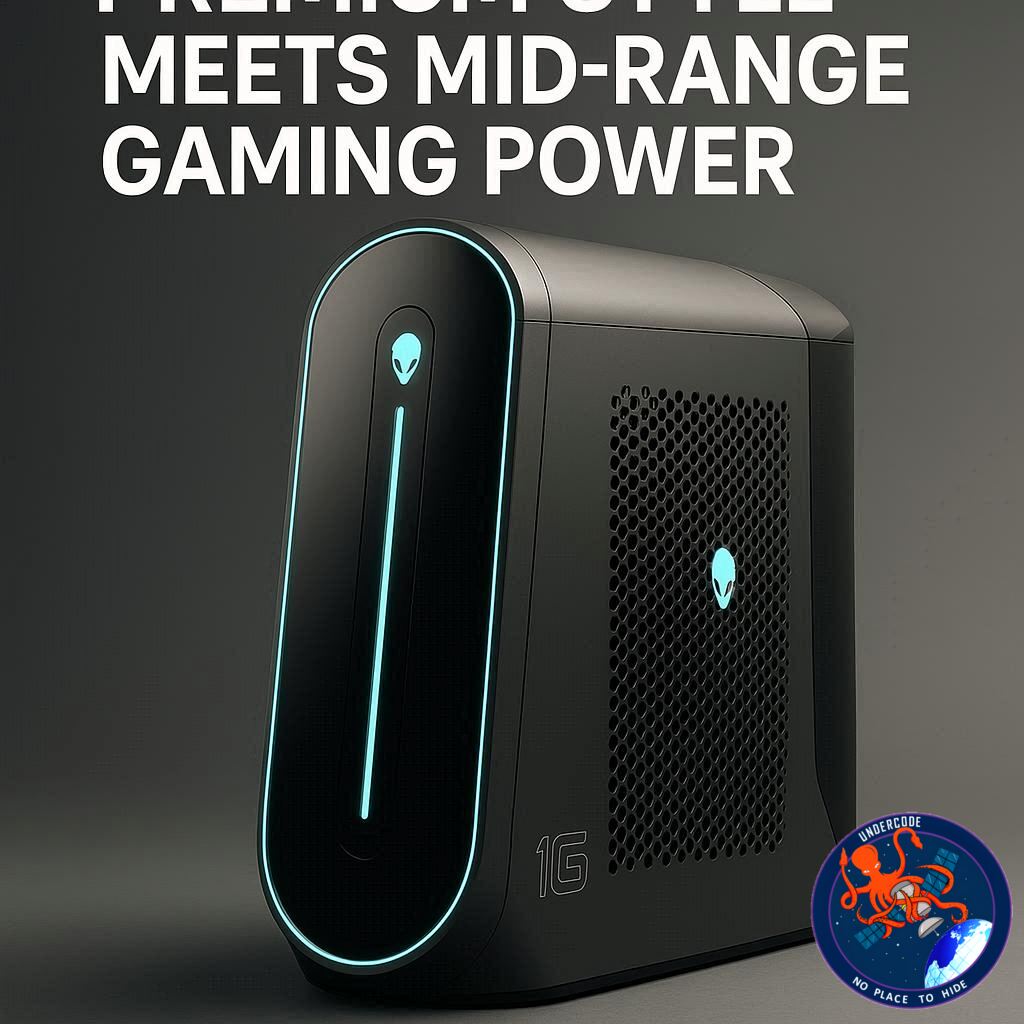
Alienware has long been a name synonymous with high-performance gaming, futuristic designs, and premium pricing. With the Alienware Aurora 16, however, the brand is taking a different approach—aiming at everyday gamers instead of hardcore enthusiasts. Priced at around \$1,339 (₹1,11,389), this laptop embodies the paradox of luxury branding packaged with mid-tier specifications. The real question is: does the Aurora 16 justify its price by offering an authentic Alienware experience, or is it relying too heavily on brand recognition?
the Original
The Alienware Aurora 16 is a carefully designed laptop that blends premium aesthetics with accessible hardware. The Interstellar Indigo finish shifts tones beautifully, offering a sophisticated look without screaming “gamer gear.” Its solid build—aluminium lid, magnesium frame, and sturdy construction—makes it feel more premium than other laptops in its price range. Weighing 2.49kg, it strikes a balance between portability and robustness, though extended carrying can be felt.
The keyboard impresses with 1.4mm travel keys, a full numpad, and simple white backlighting instead of flashy RGB. The trackpad is reliable and smooth, though not as luxurious as glass-finished versions. Port selection is generous—USB-A, USB-C (with Power Delivery), HDMI 2.1, Ethernet, and Wi-Fi 7 support—ensuring good connectivity and future-proofing.
The 16-inch WQXGA display delivers sharp visuals at 2560×1600 resolution with a 120Hz refresh rate and 100% sRGB color accuracy. However, its 300-nit brightness struggles outdoors. Audio is decent with 2W stereo speakers, though bass is weak, and the 720p webcam underwhelms.
Performance is powered by an Intel Core 7 240H, 16GB DDR5 RAM, and an NVIDIA RTX 5060 (8GB GDDR7) GPU. Productivity and multitasking run smoothly, but AAA gaming requires realistic expectations. Titles like Cyberpunk 2077 can hit 90–100fps at 1080p high settings, while esports titles exceed 120fps. The cooling system is effective but noisy at times, with minor thermal throttling under sustained load.
Battery life is modest—5–6 hours on productivity, about 2 hours while gaming, tethering it to a power outlet for serious play. Alienware includes Microsoft Office Home 2024 for a year, which adds practical value.
The biggest drawback? Price. Competitors offer similar specs for less, but Alienware delivers superior design, build quality, and brand prestige. The Aurora 16 is best suited for those who want the Alienware experience rather than raw performance-per-dollar. It earns a 3.5/5 rating, standing as Alienware’s most accessible gaming entry point.
What Undercode Say:
The Alienware Aurora 16 raises an interesting debate about what matters most in a gaming laptop: specs vs. experience. Let’s break it down.
Alienware is clearly aiming to expand its audience. For years, the brand has been associated with ultra-high-end hardware costing well over \$2,000. By releasing the Aurora 16 at around \$1,339, Alienware is creating a new entry point for gamers who admire the brand but don’t want to spend a fortune. This strategic pivot mirrors what Apple did with the iPhone SE—offering a premium brand experience without flagship-level internals.
From a design perspective, Alienware hits the mark. The Interstellar Indigo finish and durable build elevate it above most mid-range laptops. Even the keyboard and port layout feel premium. For buyers who value aesthetics, durability, and brand identity, these details add significant weight. Alienware is essentially selling pride of ownership as much as performance.
However, the performance-to-price ratio is where cracks begin to show. Laptops from Lenovo Legion, ASUS ROG, and Acer Predator often pack stronger GPUs and higher refresh displays at similar or even lower prices. Gamers focused solely on maximizing fps per dollar will find better alternatives elsewhere. In this sense, Alienware is charging a brand tax.
That said, the Aurora 16 isn’t underpowered. The Intel Core 7 and RTX 5060 combo ensures smooth performance at 1080p, which is the sweet spot for most gamers. Esports players will enjoy high frame rates, while AAA gamers can play demanding titles without major sacrifices. But buyers expecting cutting-edge 4K or maxed-out ray tracing will be disappointed.
The cooling system works well, though aggressive fan curves may bother noise-sensitive users. Meanwhile, the battery life makes it clear: this is not a laptop for unplugged gaming. For students or professionals, the bundled Office 2024 subscription adds real-world utility, making it more versatile than being just a gaming machine.
Ultimately, the Aurora 16 succeeds in creating a bridge between Alienware’s premium reputation and mainstream affordability. It won’t satisfy hardcore enthusiasts chasing every last frame, but it will satisfy gamers who want to feel part of the Alienware universe without spending double the price.
This makes it a status-driven purchase. Much like buying a luxury car with a smaller engine, you’re paying for style, design, and brand aura rather than raw horsepower. And for many, that’s enough reason to choose Alienware over stronger competitors.
🔍 Fact Checker Results
✅ The Aurora 16 is priced higher than rival mid-range laptops with similar specs.
✅ Gaming performance matches expectations for an RTX 5060-class GPU.
❌ The 300-nit display brightness is not ideal for outdoor gaming, despite Alienware’s branding focus.
📊 Prediction
Looking ahead, Alienware’s move with the Aurora 16 signals a long-term shift. Expect Alienware to expand further into mid-range pricing, offering more affordable models to capture new gamers worldwide. This could trigger a ripple effect, pushing other premium brands like ASUS ROG and MSI to introduce their own “entry-luxury” gaming laptops. In the next two years, the mid-range gaming market will likely see increased competition in design, build quality, and brand-driven experiences, rather than just raw hardware specs.
Would you like me to also prepare a comparative breakdown (Aurora 16 vs. competitors like Lenovo Legion 5, ASUS TUF, etc.) to show where Alienware really stands in the market?
🕵️📝✔️Let’s dive deep and fact‑check.
References:
Reported By: timesofindia.indiatimes.com
Extra Source Hub:
https://www.medium.com
Wikipedia
OpenAi & Undercode AI
Image Source:
Unsplash
Undercode AI DI v2
🔐JOIN OUR CYBER WORLD [ CVE News • HackMonitor • UndercodeNews ]
📢 Follow UndercodeNews & Stay Tuned:
𝕏 formerly Twitter 🐦 | @ Threads | 🔗 Linkedin | 🦋BlueSky | 🐘Mastodon


