
Listen to this Post
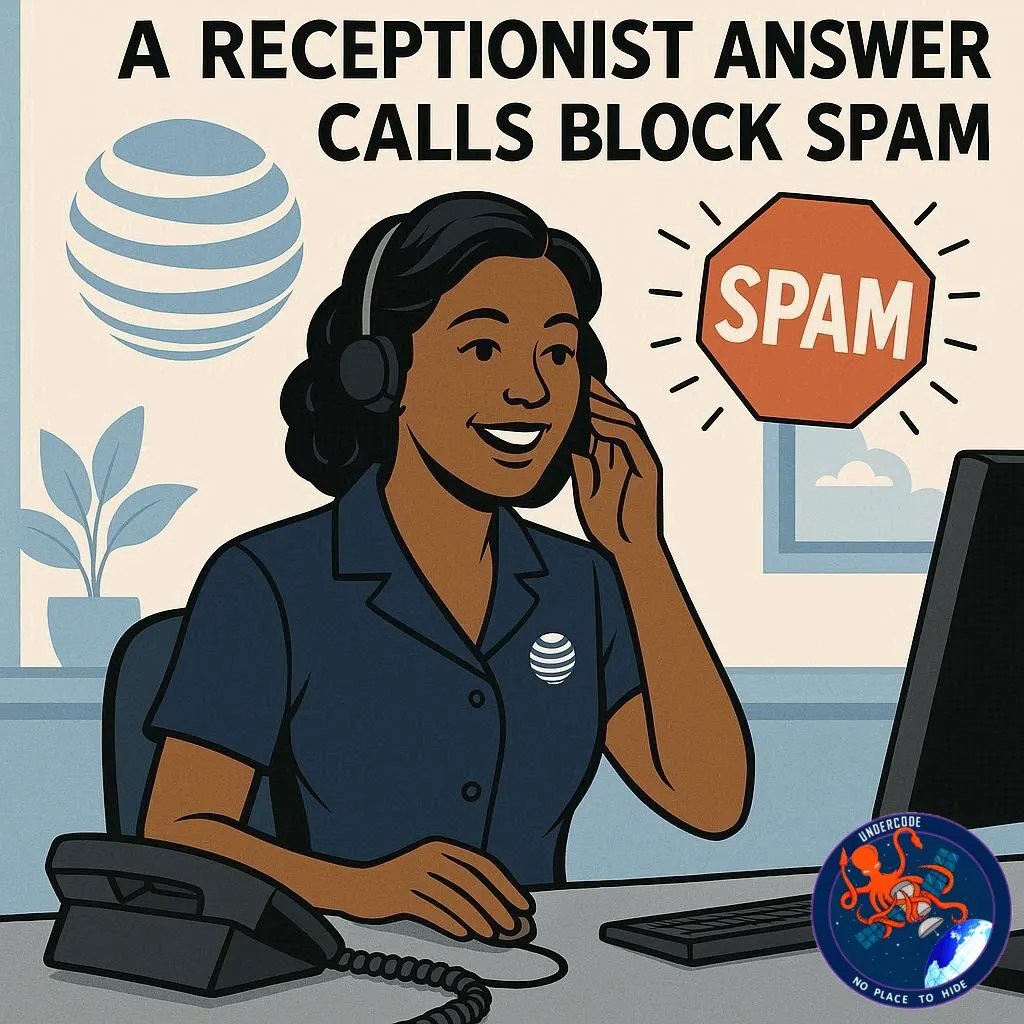
Spam calls are one of the most irritating realities of modern life. Every day, millions of people hesitate to answer their phones, unsure if the ringing device holds a genuine conversation or yet another scam attempt. AT\&T believes it has found the answer—literally. The company is introducing an AI-powered digital receptionist designed to screen calls, protect users from unwanted interruptions, and even manage conversations on their behalf. This innovation could change the way we interact with phone calls, blending automation with personalization in a new way.
AT&T’s AI Receptionist: What It Does
AT\&T’s upcoming feature, currently rolling out to select customers as a test in 2025, is essentially a virtual call screener powered by AI. Instead of forcing you to decide whether to pick up an unknown call, the digital receptionist does it for you.
The AI system can ask callers questions such as:
“Who may I say is calling?”
“What is this regarding?”
If the caller provides valid responses that meet your chosen criteria, the call is passed to you. If not, the AI can hang up, take a message, or simply block the spam attempt.
In certain cases, the AI receptionist may even complete tasks independently—such as accepting a delivery, recording a message, or handling basic information requests. Users also have the option to view a live transcript of the call in progress and jump in at any time.
For friends, family, and important contacts, AT\&T is providing a “Do Not Screen” list, ensuring their calls go through directly without AI interference.
A Glimpse Into the Future
While still in testing, AT\&T envisions a much larger role for AI in communications. Imagine asking the digital receptionist to call a restaurant and book reservations on your behalf—something that blends natural language AI with real-world action.
Chief Data Officer Andy Markus revealed that the technology uses multiple large language models (LLMs) combined with fraud prevention systems. These tools analyze caller behavior, detect scam patterns, and protect private user information. AT\&T insists the data will only be used to help manage calls securely.
Still, AI is not flawless. Misinterpretations, errors in context, and failed directions are known limitations. That’s why AT\&T is starting small with a pilot program before scaling it up nationwide.
Why It Matters
Spam and scam calls remain a massive problem, despite existing filters from carriers, apps, and phone operating systems. The real challenge is that the decision burden still falls on the user. By shifting that responsibility to AI, AT\&T hopes to create a smoother, safer phone experience. If successful, this technology could usher in a new era of intelligent personal assistants for everyday communication.
What Undercode Say:
The launch of AT\&T’s AI receptionist is not just about blocking spam—it represents a philosophical shift in how we treat phone calls. For decades, answering a call was binary: pick up or ignore. With this tool, a third option emerges—delegate the decision to AI.
From a consumer perspective, this could reduce stress and wasted time. Many people today ignore unknown numbers entirely, often missing important calls from doctors, delivery drivers, or job recruiters. With AI screening, these important but unfamiliar calls could actually reach users without the risk of answering scams.
From a business perspective, this is strategic positioning for AT\&T. The telecom industry is under pressure as spam calls erode trust in phone communication. By providing a solution, AT\&T positions itself not just as a network provider but as a guardian of digital trust. This could attract new customers while retaining those frustrated by constant robocalls.
However, there are concerns worth addressing. Privacy is the first red flag. Even if AT\&T promises data security, skeptics will wonder how much voice data the AI processes, stores, or shares. Any leak or misuse could erode user confidence instantly.
The second issue is accuracy. AI misclassifications are inevitable. Imagine missing a critical job interview call because the receptionist thought it was spam, or worse—having the AI mishandle a sensitive conversation. The margin for error here is razor-thin.
Third, there’s the human element. Phone calls are often emotionally nuanced. An AI can ask scripted questions, but can it detect urgency in a trembling voice? Can it sense when silence is loaded with meaning? Human intuition is still unmatched in certain scenarios.
That said, the test phase is the right approach. By limiting access and slowly scaling, AT\&T can identify blind spots before a full release. If it works well, this could set the standard across telecoms worldwide, forcing Verizon, T-Mobile, and others to catch up.
In a broader sense, this is part of the growing AI-as-a-gatekeeper trend. Just as AI filters spam in emails, recommends Netflix shows, or screens resumes for hiring, it is now entering our most personal space: live voice communication. The implications are huge. In the future, we may rarely answer unknown calls directly—our AI agents will filter, negotiate, and even complete tasks on our behalf.
For consumers, the real test will be ease of control. If the AI is flexible—letting users customize rules, whitelist contacts, and review transcripts—it could be empowering. But if it feels rigid or intrusive, people may reject it, fearing they’re losing control of their own communication.
In conclusion, AT\&T’s AI receptionist is an innovative gamble. It could eliminate one of modern life’s biggest nuisances—or it could introduce a new layer of complexity. Success depends on balance: smart enough to protect, simple enough to trust.
🔍 Fact Checker Results
✅ AT\&T confirmed the AI receptionist test will roll out in 2025 for select customers.
✅ The feature uses LLMs and fraud-detection algorithms for call screening.
❌ Full nationwide availability or advanced booking features are not confirmed yet.
📊 Prediction
If AT\&T’s trial succeeds, within the next three years we may see AI receptionists become standard across all major carriers. Spam calls could finally decline sharply, replaced by AI-mediated interactions. However, as adoption grows, scammers will also adapt, developing more sophisticated tactics to bypass AI filters—leading to an ongoing arms race between fraudsters and telecom AI defenses.
🕵️📝✔️Let’s dive deep and fact‑check.
References:
Reported By: www.zdnet.com
Extra Source Hub:
https://stackoverflow.com
Wikipedia
OpenAi & Undercode AI
Image Source:
Unsplash
Undercode AI DI v2
🔐JOIN OUR CYBER WORLD [ CVE News • HackMonitor • UndercodeNews ]
📢 Follow UndercodeNews & Stay Tuned:
𝕏 formerly Twitter 🐦 | @ Threads | 🔗 Linkedin | 🦋BlueSky | 🐘Mastodon


