
Listen to this Post
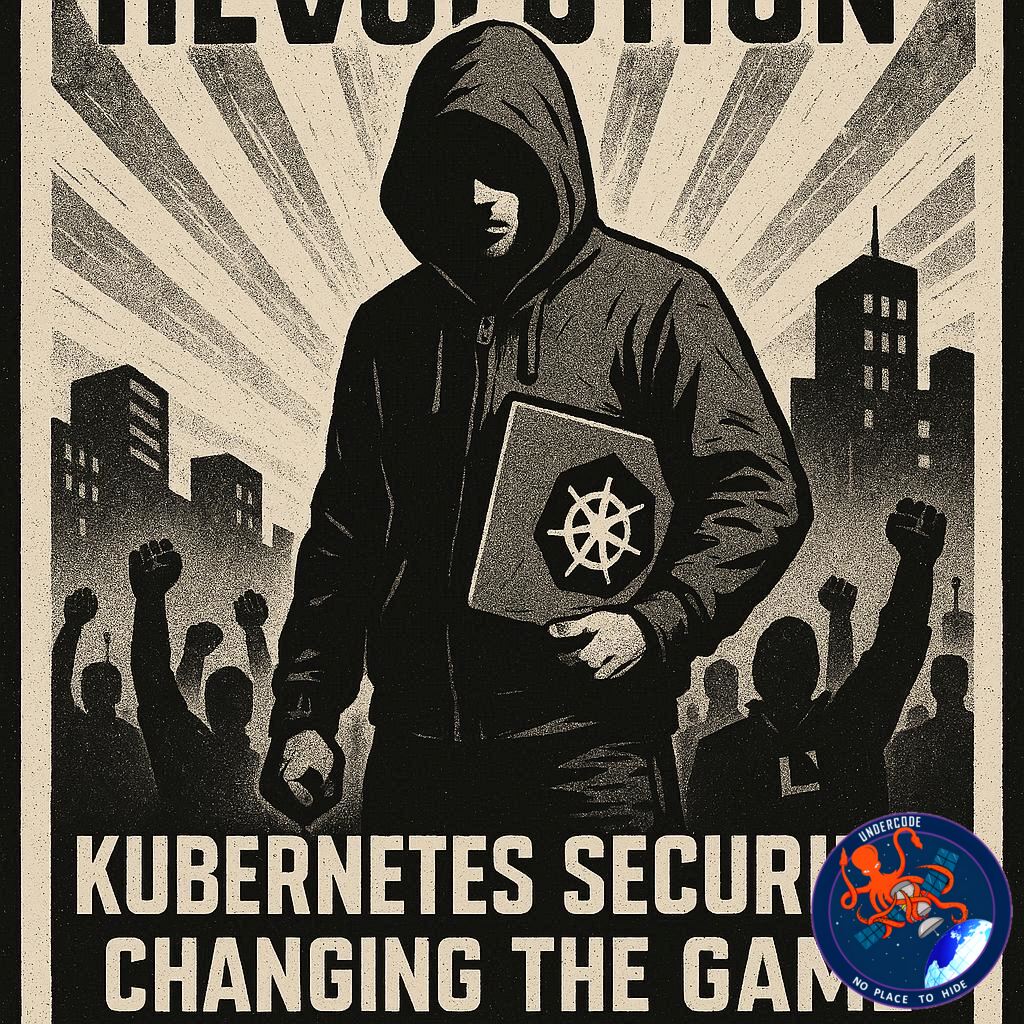
Introduction: A Paradigm Shift in Cloud Security
Kubernetes has rapidly become the backbone of modern enterprise infrastructure, powering everything from microservices to mission-critical workloads. Yet as organizations rush to embrace containerized applications, one critical aspect is often overlooked: the operating system that underpins these clusters. Traditional Linux distributions, while mature and reliable, carry a legacy of assumptions that may no longer align with the security and scalability needs of cloud-native environments. A new approach is emerging — one that redefines how operating systems integrate with Kubernetes. Talos Linux is at the heart of this shift, challenging outdated models and offering a streamlined, security-first foundation designed for the realities of today’s infrastructure.
Kubernetes Security Stuck in the Past
For years, organizations have deployed Kubernetes clusters on general-purpose operating systems like Ubuntu, CentOS, or RHEL. While familiar, these systems come with excess baggage: mutable file systems, shells, user accounts, and sprawling attack surfaces. Security tools, compliance checklists, and monitoring frameworks are all designed around these legacy assumptions. Ironically, the very mechanisms meant to protect infrastructure often introduce vulnerabilities themselves.
The Flaw in Current Security Models
Modern security tooling expects access to a shell, log directories, and the ability to deploy arbitrary agents. This works fine in traditional Linux environments, but in Kubernetes-native systems, it contradicts the principle of minimalism and immutability. Even the NSA and CISA’s official Kubernetes Hardening Guide gives limited attention to the operating system layer — a blind spot that leaves organizations vulnerable to host-level threats.
Talos Linux: A Radical Alternative
Talos Linux takes a different path. Instead of extending traditional Linux into Kubernetes, it rebuilds the model around Kubernetes itself. With no shell, no SSH access, and no manual configuration, Talos removes entire categories of risk. The system is immutable, API-driven, and designed from the ground up to align with zero trust and least privilege principles. For security professionals, this model is both liberating and disruptive.
Balancing Compliance with Innovation
One of the biggest hurdles for Talos adoption is compliance. Frameworks such as FIPS expect environments to conform to legacy Linux standards. Auditors often don’t know how to evaluate a system without shell access. While Talos is actively pursuing certifications like FIPS 140-3, adoption challenges highlight a bigger issue: compliance frameworks lag behind innovation. This puts pressure on CISOs to act as translators, bridging the gap between cutting-edge security models and outdated regulatory expectations.
The CISO’s Role in the New Era
The role of the CISO is evolving from policy enforcer to change catalyst. Leaders must advocate for systems that are not only compliant but genuinely secure. That means pushing back on outdated assumptions, educating auditors, and aligning policies with cloud-native realities. CISOs who embrace this shift will drive organizations toward more resilient, auditable, and scalable infrastructures.
The Future of Kubernetes Security
The path forward is clear: Kubernetes workloads demand operating systems that reflect their principles. Talos Linux delivers this by being minimal, immutable, and API-driven. It eliminates configuration drift, reduces the blast radius of attacks, and creates a foundation for truly declarative infrastructure. This isn’t just an incremental improvement — it’s a structural realignment of security at the OS level.
What Undercode Say:
Why Legacy OS Models Are Failing
Traditional Linux distributions served enterprises well in the past, but they were never designed for container-native workloads. Their complexity makes them fragile. Every user account, shell command, or mutable directory is a potential attack vector. In cloud-native environments where workloads are ephemeral, this model becomes an anchor dragging security backward.
Talos as a Disruptor in the Security Landscape
Talos Linux flips the model entirely. By removing SSH and direct access, it forces organizations to treat infrastructure as code. This isn’t just about security — it’s about cultural change. Operations teams must adapt to automation-first workflows, while security teams must embrace the idea that less surface area equals less risk.
The Compliance Bottleneck
One of the stark realities Talos exposes is how compliance frameworks often prioritize familiarity over actual risk reduction. Many auditors equate “secure” with “what we’ve always done.” Talos challenges this mindset, creating friction but also an opportunity for forward-thinking leaders to reshape compliance standards around modern threats.
The Psychological Shift for Security Teams
Security professionals are accustomed to having direct control: logging into a server, running commands, tweaking configurations. Talos removes that safety net. This shift can feel uncomfortable, but it’s also necessary. Security must evolve from reactive firefighting to proactive design. With immutability, drift disappears. With API-driven management, consistency is enforced.
The Broader Implications for DevSecOps
DevSecOps thrives on automation, declarative policies, and reproducibility. Talos aligns perfectly with these principles. Instead of patching OS drift manually, updates become part of the pipeline. Instead of relying on human intervention, infrastructure becomes predictable and codified. The end result: fewer surprises and fewer late-night incident calls.
Why CISOs Must Lead the Change
If CISOs continue to rely on legacy OS assumptions, they risk leaving organizations exposed. The responsibility isn’t just about meeting compliance checkboxes but shaping the frameworks that will define the next decade of infrastructure security. Talos offers a case study in what happens when security is reimagined at the foundation level.
The Industry’s Reluctance to Let Go
Despite Talos’ advantages, many enterprises will hesitate. Familiarity is powerful. Teams are trained on Ubuntu or CentOS, tools are designed around POSIX systems, and auditors expect logs in traditional locations. Overcoming this inertia requires strong leadership and a willingness to prioritize long-term resilience over short-term comfort.
A Glimpse Into the Future
The trajectory is clear: operating systems will become lighter, more secure, and more automated. Talos is the vanguard of this shift, but it won’t be the last. The future may see OS models that integrate even more tightly with Kubernetes, possibly disappearing entirely into abstracted, policy-driven layers.
Fact Checker Results
✅ Talos Linux is immutable, API-driven, and built for Kubernetes.
❌ Traditional Linux distributions introduce larger attack surfaces when used in Kubernetes.
✅ Compliance frameworks currently struggle to evaluate Talos due to outdated assumptions.
Prediction
In the next five years, Kubernetes-native operating systems like Talos will move from experimental to mainstream adoption. As compliance standards catch up, CISOs who embrace this model early will position their organizations for stronger resilience, reduced attack surfaces, and simplified infrastructure management. The real question is not whether Talos will succeed, but how quickly the industry can shed its attachment to legacy assumptions.
🕵️📝✔️Let’s dive deep and fact‑check.
References:
Reported By: www.darkreading.com
Extra Source Hub:
https://www.instagram.com
Wikipedia
OpenAi & Undercode AI
Image Source:
Unsplash
Undercode AI DI v2
🔐JOIN OUR CYBER WORLD [ CVE News • HackMonitor • UndercodeNews ]
📢 Follow UndercodeNews & Stay Tuned:
𝕏 formerly Twitter 🐦 | @ Threads | 🔗 Linkedin | 🦋BlueSky | 🐘Mastodon


