
Listen to this Post
Introduction
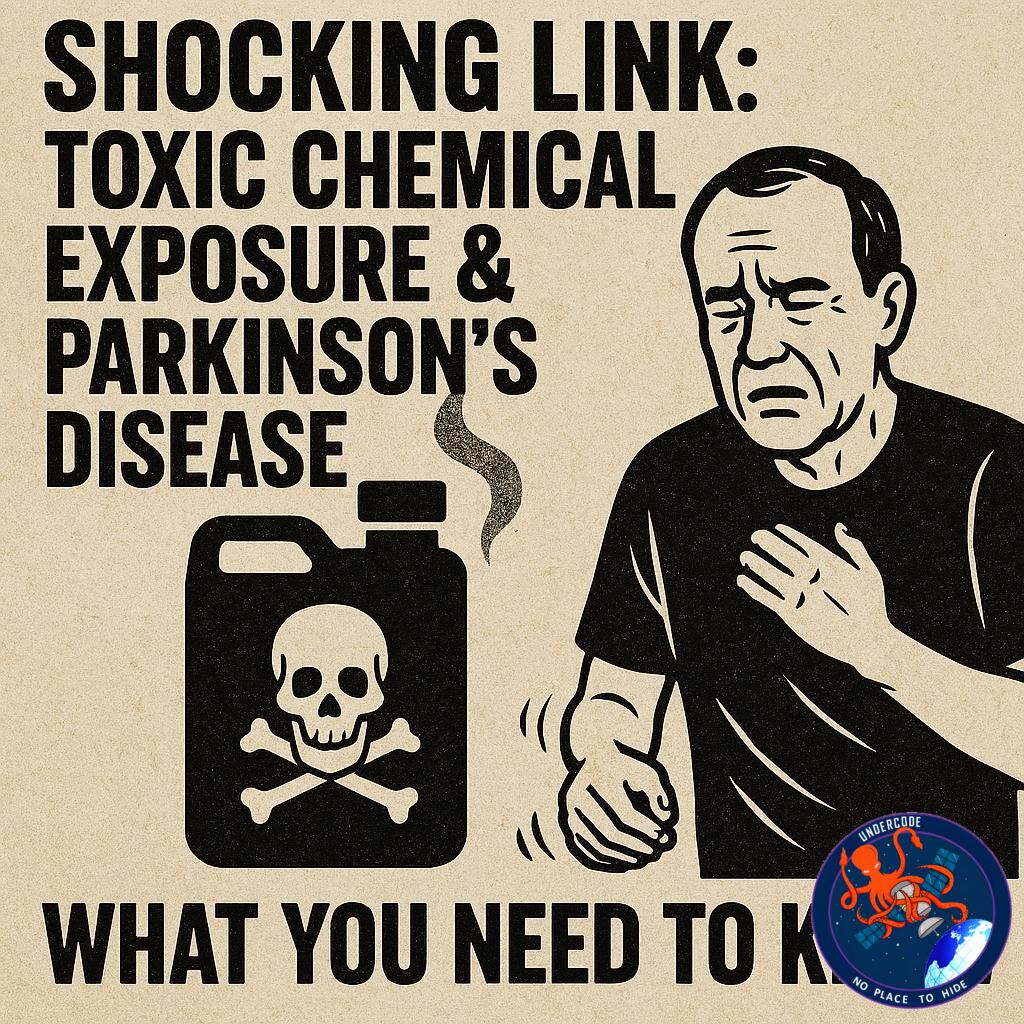
A groundbreaking new study has raised alarm bells across the medical and environmental communities. Researchers in the United States have found that long-term exposure to trichloroethylene (TCE), a common industrial solvent once widely used in metal degreasing and dry cleaning, may significantly increase the risk of developing Parkinson’s disease. Although the European Union banned this chemical in 2016 due to its links with cancer and genetic defects, it continues to circulate in U.S. industries and communities—posing a silent danger to millions.
the Original
Parkinson’s disease, a degenerative brain condition that affects over 10 million people globally, is now being connected to widespread environmental exposure. The recent study revealed that individuals with the highest levels of TCE exposure were 10% more likely to develop Parkinson’s than those with the lowest exposure.
The study analyzed data from 222,000 older adults newly diagnosed with Parkinson’s between 2016 and 2018 and compared them with more than 1.1 million people without the disease. Using ZIP code-based environmental data, researchers tracked outdoor TCE levels and divided participants into exposure groups.
Key findings showed that risks were higher near TCE-emitting facilities, especially around the top three polluting sites in the U.S. Although the link does not prove causation, the evidence highlights an urgent need for stricter regulations.
TCE spreads easily through air, soil, and water, making its impact far-reaching. While the Biden administration moved to ban TCE, delays during the Trump era stalled its regulation. Currently, the chemical remains a contentious issue in U.S. policy, despite being outlawed in Europe.
Symptoms of Parkinson’s—such as tremors, limb stiffness, and balance problems—progress slowly but can severely impact quality of life. With no cure available, prevention becomes crucial. Researchers stress that environmental triggers like pollution, pesticides, and industrial solvents may play as significant a role as genetics in the disease’s development.
Ultimately, scientists warn that even modest risks could translate into large public health consequences, considering the sheer number of people exposed to TCE. Calls for stronger regulations, better monitoring, and more research are intensifying as the evidence grows.
What Undercode Say:
The new findings on TCE and Parkinson’s disease underline a larger reality: chronic exposure to industrial chemicals is reshaping our health landscape.
Environmental Toxins as Hidden Killers
Industrial solvents like TCE are not visible dangers. Unlike cigarette smoke or alcohol, these chemicals infiltrate our lives quietly through contaminated soil, water, and air. This silent exposure makes them harder to regulate and more dangerous.
Economic vs. Health Priorities
The chemical industry generates billions of dollars, and history shows that economic interests often delay public health safeguards. The fact that the EU banned TCE nearly a decade ago, while the U.S. still debates its regulation, highlights the tension between profit and safety.
Parkinson’s as an Environmental Disease
Traditionally viewed as a disease of aging, Parkinson’s is increasingly linked to environmental triggers. Pesticides like paraquat, poor air quality, and now TCE all point to the role of toxins. This suggests that Parkinson’s may be less about “bad luck” genetics and more about where and how we live.
Public Health Implications
A 10% increase in risk might seem small, but when multiplied across millions of people, the result is staggering. For every community near a TCE-emitting facility, this could mean thousands of new cases in the coming decades.
Scientific Limitations
While the study is robust, it is not flawless. It only assessed older adults and relied on one-time air measurements rather than lifelong exposure. This means the true risk could actually be higher or lower.
Policy and Prevention
Preventing Parkinson’s may never be entirely possible, but reducing toxic exposures is achievable. Stronger monitoring, stricter bans, and corporate accountability are essential steps. The U.S. must follow the EU’s example and enforce a permanent ban.
Personal Responsibility and Awareness
While individuals cannot control industrial policies, awareness matters. Communities near polluting sites should push for environmental testing, water safety checks, and demand stricter regulations. Public pressure has historically been the driver for change.
The Bigger Picture
The TCE study is part of a wider pattern: modern diseases are being fueled not just by genetics, but by environmental and lifestyle factors. Parkinson’s joins cancer, asthma, and neurological disorders as conditions deeply tied to polluted environments.
✅ Fact Checker Results
TCE is banned in the EU since 2016 but still present in the U.S. ✅
The study found a 10% higher risk of Parkinson’s for people with highest TCE exposure ✅
Evidence shows correlation, but not definitive proof of causation ❌
🔮 Prediction
Given growing research on toxins and brain health, expect to see:
Stronger U.S. regulations within the next 5 years to mirror EU standards 🔮
Rising lawsuits against industries that contributed to toxic exposure 🔮
Increased public health campaigns warning about environmental pollutants and neurological risks 🔮
🕵️📝✔️Let’s dive deep and fact‑check.
References:
Reported By: www.euronews.com
Extra Source Hub:
https://stackoverflow.com
Wikipedia
OpenAi & Undercode AI
Image Source:
Unsplash
Undercode AI DI v2
🔐JOIN OUR CYBER WORLD [ CVE News • HackMonitor • UndercodeNews ]
📢 Follow UndercodeNews & Stay Tuned:
𝕏 formerly Twitter 🐦 | @ Threads | 🔗 Linkedin | 🦋BlueSky | 🐘Mastodon


