
Listen to this Post
Introduction
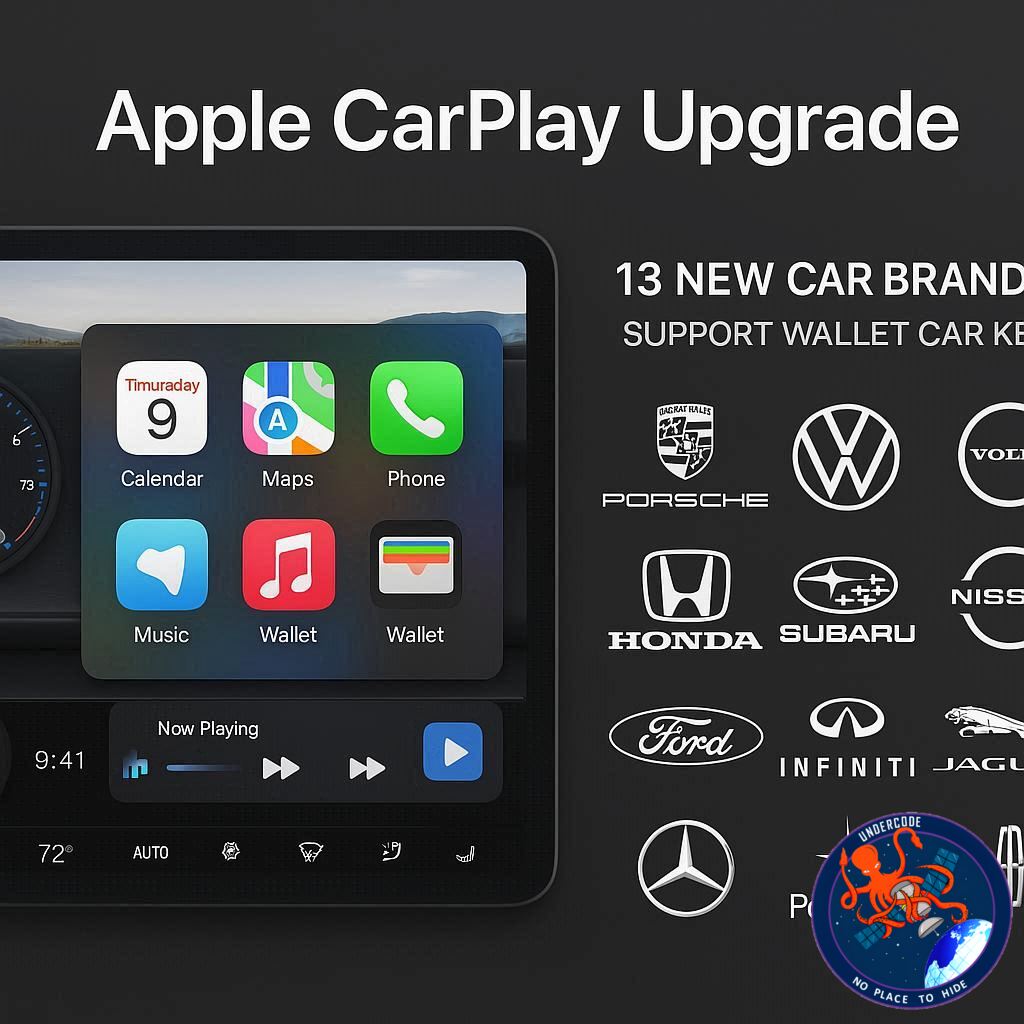
Apple continues to push the boundaries of digital convenience, aiming to replace the physical wallet with its sleek Apple Wallet app. Since introducing digital car keys in 2020, Apple has been steadily expanding this futuristic feature, allowing iPhone and Apple Watch owners to unlock, start, and secure their vehicles without traditional keys. With iOS 26, the company has announced an impressive expansion—13 new vehicle brands will soon support Apple Wallet’s car key functionality. This update doesn’t just mean more cars on the list; it signals Apple’s vision of making the iPhone a central hub for mobility.
Apple Wallet Car Keys Expansion: Full Summary
Apple first launched its car keys feature in 2020, designed to eliminate the need for a physical car key. The feature works directly with your iPhone or Apple Watch, letting you:
Passive Entry: Simply walk up to your car with your device in your pocket, and the vehicle unlocks. Step inside, start the engine, and walk away to lock it again.
Proximity Unlock: Hold your device close to the door handle or reader to lock, unlock, and start your vehicle.
Remote Control: Lock, unlock, or even start your car from a distance using your iPhone or Apple Watch.
Currently, only a limited number of car manufacturers support Apple Wallet car keys, but the list is about to grow dramatically. Apple confirmed that 13 new car brands will soon support the feature:
Acura
Cadillac
Chery
Chevrolet
GMC
Hongqi
Lucid
Porsche
Rivian
Smart
Tata
Voyah
WEY
Once this expansion rolls out, Apple Wallet will support car keys for a total of 33 vehicle brands worldwide. While Apple has not given an exact timeline, early signs suggest that a few of these brands could debut the feature before the end of the year.
Alongside the announcement, Apple also highlighted its broader CarPlay improvements in iOS 26, strengthening the ecosystem around connected driving. From advanced dashboard displays to tighter integration with apps, Apple is clearly working to dominate the in-car experience.
What Undercode Say:
Apple’s decision to expand car key support across more brands reflects a larger strategy: transforming the iPhone into a complete lifestyle device, not just a smartphone. This move is both practical and psychological—it pushes users deeper into Apple’s ecosystem while reinforcing trust in the brand’s seamless design.
Ecosystem Lock-In: Car keys join a growing list of digital replacements for physical items, from boarding passes to credit cards. The more functions Apple Wallet handles, the harder it becomes for users to leave the Apple ecosystem.
Automotive Partnerships: Securing deals with luxury and mainstream automakers alike (Porsche, Lucid, Chevrolet, Tata) gives Apple access to multiple demographics. From affordable cars to high-end electric vehicles, the strategy broadens Apple’s reach.
Luxury Meets Tech: Brands like Porsche and Lucid signal that digital keys are not just about convenience, but about aligning technology with status and lifestyle. Apple is positioning itself as a premium mobility partner.
Security Concerns: Critics often raise questions about the safety of digital car keys. While Apple’s security architecture is strong, the idea of relying entirely on a smartphone may worry some users. Apple will need to emphasize encryption, remote disable features, and robust backup systems.
Smart Home + Smart Car Integration: With Apple pushing HomeKit and smart home products, car keys could eventually sync more deeply with home automation—imagine your lights turning on and doors unlocking as your car approaches.
Market Influence: The announcement pressures competitors like Google and Samsung to step up their digital key ecosystems. With Apple leading in adoption, rival platforms must offer similar integrations to remain competitive.
User Adaptation: While tech-savvy drivers may adopt this feature quickly, older demographics may hesitate to abandon physical keys. Automakers will likely keep offering both options during the transition period.
Monetization Potential: More supported cars also mean more opportunities for Apple to bundle features, accessories, and services—ranging from iCloud backups of car keys to exclusive partnerships with dealerships.
Global Reach: Including brands like Tata and Chery indicates Apple’s intent to expand digital car keys beyond the U.S. and European markets, tapping into massive markets in Asia.
Future-Proofing Mobility: As EVs and autonomous vehicles become mainstream, digital-first access systems like Apple Wallet will be essential. Apple is laying the groundwork for long-term dominance in connected mobility.
In short, Apple’s expansion is not just about convenience—it’s about power, strategy, and influence. By making the iPhone essential to modern mobility, Apple cements itself at the center of our daily routines, from homes to cars to workplaces.
Fact Checker Results ✅❌
✅ Apple did officially announce 13 new vehicle brands to support car keys.
❌ No confirmed timeline has been given yet for when these brands will launch the feature.
✅ After expansion, Apple Wallet car keys will cover 33 brands in total.
Prediction 🔮
Apple’s expansion of digital car keys is only the beginning. In the next few years, expect deep smart home-car integration, subscription-based automotive services tied directly to Apple Wallet, and possibly even exclusive Apple partnerships with leading EV brands. Ultimately, the iPhone will evolve into the master key for every aspect of modern life.
🕵️📝✔️Let’s dive deep and fact‑check.
References:
Reported By: 9to5mac.com
Extra Source Hub:
https://www.linkedin.com
Wikipedia
OpenAi & Undercode AI
Image Source:
Unsplash
Undercode AI DI v2
🔐JOIN OUR CYBER WORLD [ CVE News • HackMonitor • UndercodeNews ]
📢 Follow UndercodeNews & Stay Tuned:
𝕏 formerly Twitter 🐦 | @ Threads | 🔗 Linkedin | 🦋BlueSky | 🐘Mastodon


