
Listen to this Post
Introduction: The Clock Is Ticking on Windows 10
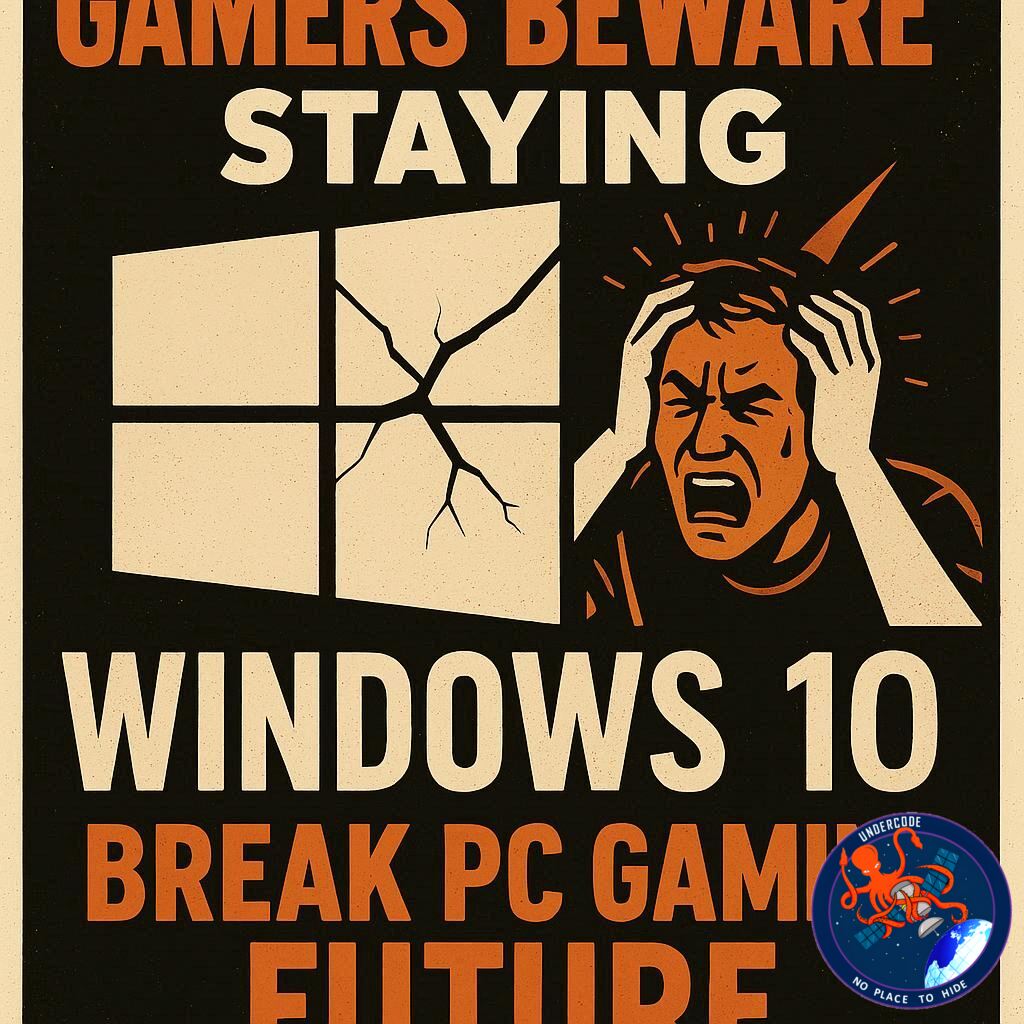
Microsoft is officially ending support for Windows 10 on October 14, 2025, marking a major turning point for PC gamers. For years, many have clung to the older OS, avoiding the switch to Windows 11. But with security updates stopping and game developers gradually dropping Windows 10 support, staying put could be more than just inconvenient—it might soon become a real barrier to enjoying new titles safely and seamlessly. Gamers now face critical decisions: upgrade to Windows 11, explore alternatives like SteamOS, or try to extend life with Windows 10’s ESU (Extended Security Updates). Each path comes with its own advantages and pitfalls, and the consequences will impact gameplay, compatibility, and security.
Windows 10: The Comfort Zone with a Hidden Price
For those reluctant to leave Windows 10, the ESU program offers a one-year extension of security updates. It’s a temporary fix that buys time but cannot solve the growing problem of software support. Staying on Windows 10 may feel familiar and convenient, but recent moves by Capcom highlight a looming problem: popular titles, including future Monster Hunter games, may no longer run optimally or receive updates. As more publishers follow suit, Windows 10 users risk facing bugs, performance issues, and game incompatibilities. Even blockbuster releases like GTA 6 could eventually encounter limitations if Microsoft’s aging OS becomes unsupported by developers.
Windows 11: Modern Gaming with Caveats
Windows 11 provides a more future-proof environment, ensuring compatibility with the latest games and hardware. It delivers a smoother gaming experience with a new game mode and full-screen features, particularly on PCs like the Asus ROG Xbox Ally. However, Windows 11 is not without flaws. Monthly forced updates can occasionally break games, and background processes or bloatware may hinder performance. For users upgrading from Windows 10, the transition is relatively painless, but glitches—like those seen in version 24H2—remind gamers that no OS is entirely trouble-free.
SteamOS: A Game Console Experience on PC
Valve’s Linux-based SteamOS presents a compelling alternative, particularly for handheld and console-style gaming. Its interface focuses on ease of access, allowing players to jump directly into games without navigating cumbersome menus. That said, SteamOS faces limitations in compatibility. Some multiplayer titles, especially those using anti-cheat systems, are not supported, and modding can be tricky. For desktop PC users, the lack of official Valve support means relying on clones like Bazzite, which can introduce GPU-specific issues, especially with Nvidia cards. Despite these hurdles, SteamOS remains a strong contender for gamers seeking a lightweight, console-like experience.
Publisher Support Shifts: A Warning Sign
The Capcom announcement to drop Windows 10 support is a wake-up call for the gaming community. Developers are prioritizing newer operating systems, leaving legacy systems vulnerable to incompatibility. Even with ESU, Windows 10 gamers cannot rely on full game functionality, especially for upcoming releases or patches. This trend is likely to accelerate, affecting not just Capcom titles but the wider gaming library. Windows 10’s era of universal support is coming to an end, and gamers must prepare for a future where older OS versions may struggle to run mainstream games.
Choosing Your Upgrade Path
Gamers now have three primary options: extend Windows 10 temporarily via ESU, upgrade to Windows 11, or transition to SteamOS. Each choice carries trade-offs. Windows 11 ensures broad compatibility and fewer game-breaking issues but may still encounter update-related bugs. SteamOS offers a sleek gaming experience and excels on handheld devices, yet desktop adoption is less straightforward. Extended Windows 10 support is a short-term solution, but game compatibility and security concerns will only intensify. Choosing early and planning ahead can save frustration, safeguard access to new titles, and maintain smooth gameplay.
What Undercode Say: Deep Dive Analysis
Windows 10’s impending end-of-life underscores a key issue in PC gaming: OS longevity and developer support are inseparable. Staying on Windows 10 might appeal to those resistant to change, but relying on ESU is a stopgap measure. The risk is twofold: security vulnerabilities will persist if updates are missed, and increasingly, game developers will prioritize modern operating systems. Capcom’s decision to drop Windows 10 support illustrates the domino effect awaiting legacy OS users.
Windows 11 presents a more robust long-term solution. Hardware requirements are stricter, but for gamers with compatible PCs, it provides a balance between accessibility, performance, and ongoing support. Microsoft’s game mode and full-screen experiences reduce distractions from background processes, optimizing resources for gaming. Yet, the monthly update cycle remains a concern. Even minor update missteps, like version 24H2, can break games and frustrate users. Despite improvements in 25H2, caution remains advisable.
SteamOS, meanwhile, represents the rising appeal of Linux-based gaming. Its console-style interface and minimal bloat appeal to handheld users, where Windows 11’s design is less effective. On desktop PCs, adoption is less straightforward due to GPU compatibility issues, lack of official support, and occasional game incompatibilities. Clones like Bazzite offer a workaround, but they are not flawless. Gamers who value streamlined, console-like interfaces may find SteamOS compelling, while those seeking stability on desktops will likely remain with Windows 11 for now.
The broader trend is clear: legacy systems like Windows 10 are becoming liabilities. Security updates can extend functionality, but the real challenge lies in game compatibility. As developers pivot to modern OS platforms, players clinging to outdated systems face mounting friction. This scenario highlights the importance of proactive upgrades. Waiting until the last minute could force gamers into rushed decisions or compromise the quality of their gaming experience.
For handheld enthusiasts, SteamOS is increasingly the default choice, offering a fluid, console-style experience that Windows 11 cannot yet fully replicate. Desktop gamers face a more nuanced decision: Windows 11’s mature ecosystem, compatibility, and ease of use make it the pragmatic option, while SteamOS and its variants remain niche and technically demanding. Ultimately, early adoption and informed choice are key. Delaying the switch risks losing access to both game functionality and security protections.
Fact Checker Results
Windows 10 support officially ends on October 14, 2025 ✅
Capcom will drop Windows 10 support for Monster Hunter ❌ (verified by official announcement)
Windows 11 offers better compatibility and ongoing support for new games ✅
Prediction: The Future of PC Gaming OS
By 2026, most major developers will focus exclusively on Windows 11 and Linux-based platforms for gaming. Legacy Windows 10 users will face increasing compatibility issues, and SteamOS adoption may rise among handheld gamers. Expect the PC gaming landscape to split: Windows 11 for desktops, SteamOS for consoles and handhelds, with older OS versions gradually fading into niche usage. Security-conscious and performance-focused gamers will increasingly favor early upgrades to avoid future headaches.
If you want, I can also make an SEO-optimized version of this article that could rank well for gaming OS upgrade searches. Do you want me to do that next?
🕵️📝✔️Let’s dive deep and fact‑check.
References:
Reported By: www.techradar.com
Extra Source Hub:
https://www.github.com
Wikipedia
OpenAi & Undercode AI
Image Source:
Unsplash
Undercode AI DI v2
🔐JOIN OUR CYBER WORLD [ CVE News • HackMonitor • UndercodeNews ]
📢 Follow UndercodeNews & Stay Tuned:
𝕏 formerly Twitter 🐦 | @ Threads | 🔗 Linkedin | 🦋BlueSky | 🐘Mastodon


