
Listen to this Post
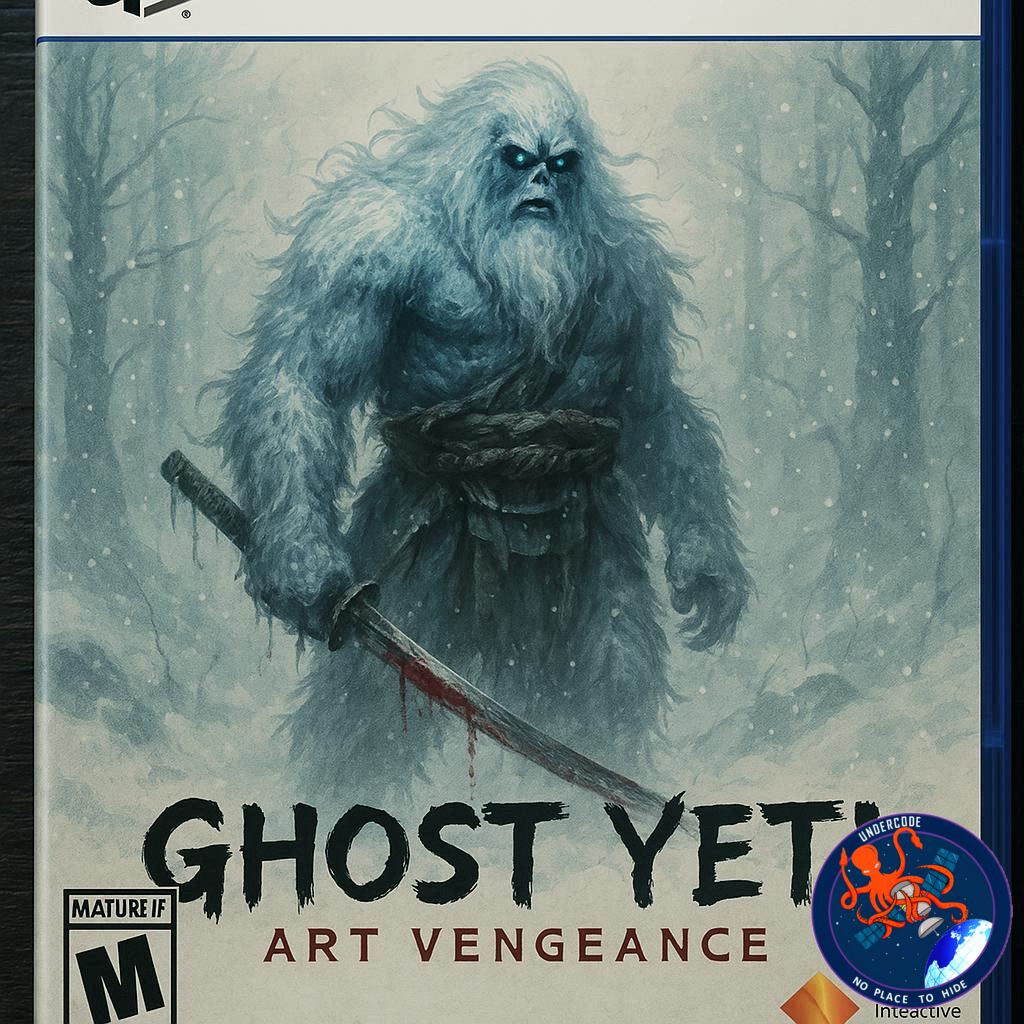
A New Dawn for Storytelling in Open-World Games
When a game like Ghost of Yōtei appears, it doesn’t just enter the conversation—it takes over it. At first glance, it may seem like another samurai revenge epic, but within minutes, that illusion shatters. From the moment you guide Atsu’s hand across a piece of fabric using the PS5’s touchpad to inscribe the names of her enemies—the infamous Yōtei Six—you know this isn’t just another quest checklist. This is personal. This is deliberate. And this is art meeting vengeance.
A Journey Etched in Blood and Memory
Atsu’s story begins sixteen years after her childhood is burned to ashes by six figures whose names she now vows to erase from existence. Her return to Ezo, the hauntingly beautiful island, feels less like a typical open-world setting and more like a breathing, evolving entity shaped by her legend. With each kill, her notoriety grows. Wanted posters spread like wildfire. The once-quiet roads begin to hum with whispers of the onryō—the vengeful spirit—who walks among men.
Exploration in Ghost of Yōtei feels refreshingly organic. Instead of glowing markers and hand-holding waypoints, the world opens itself to those willing to pay attention. You follow rumors, chase the wind, or stumble upon chance encounters that organically propel you toward your next clue. Every discovery feels earned—not granted.
Golden birds guide you to hot springs, foxes lead you to sacred shrines, and faint smoke in the distance might mean merchants… or danger. The game deliberately limits your map, making exploration an act of learning the land rather than exploiting it. When you finally stumble upon a shrine, it feels like genuine adventure, not checklist progression.
The Evolving Weight of Reputation
As Atsu’s blade claims more names, her reputation transforms the world around her. At first, the open roads are tranquil. Later, they become hunting grounds, with bounty hunters and ronin seeking fame by ending her legend. The environment reacts dynamically—her choices ripple outward, creating a sense of consequence most open-world titles can only dream of achieving.
Each duel feels like poetry in motion, drenched in rain, tension, and blood. It’s not about combo memorization or button mashing—it’s about precision, rhythm, and patience. Atsu’s weapon arsenal—from dual katanas to the mighty odachi—offers fluid combat transitions that demand both strategy and improvisation. Every battle is a dance between life and death.
Mastery and Momentum in Combat
Combat in Ghost of Yōtei is more than mechanics—it’s emotion. When the game strips away chaos to focus on one-on-one duels, it delivers tension worthy of a Kurosawa film. Victory doesn’t come easily; it’s earned through discipline, awareness, and timing. Each successful parry or perfectly executed counter feels deeply satisfying.
The stealth mechanics falter slightly, lacking the refinement of its combat systems, yet they serve their purpose. Silent assassinations provide tactical variety, even if they never reach the same intensity as sword duels. Still, the balance between stealth and direct confrontation keeps every encounter fresh.
Finding Humanity Amid Bloodshed
Beyond its blade work, Ghost of Yōtei finds beauty in quiet moments. Between battles, Atsu camps under starlit skies, cooks food through intuitive gestures on the controller’s touchpad, and plays the shamisen by the fire. These reflective interludes breathe humanity into her character and contrast the brutality of her mission.
The game’s side quests are equally compelling. Whether rescuing a bear cub or helping a delusional samurai chase honor, each story adds depth without feeling like filler. They expand Atsu’s world, exploring who she is when she isn’t hunting—what fragments of the person she once was still remain.
The Soul of a Living World
Ezo’s natural beauty defies digital boundaries. Bamboo forests sway with wind physics so lifelike they almost whisper secrets. Storms roll in seamlessly, transforming the tone of the world in seconds. And through all of it, Ghost of Yōtei captures that elusive feeling—tranquil melancholy.
Fast travel is instant, seamless, and liberating, eliminating the usual friction of open-world design. The photo mode, surprisingly robust, turns players into digital photographers, offering deep creative control. Then come the cinematic modes: Kurosawa (black-and-white elegance), Watanabe (lo-fi beats meets samurai soul), and Miike (visceral close-up combat). Each transforms the experience in unique ways, balancing homage with innovation.
A World That Remembers You
As the hours pass, Ezo begins to feel alive—reactive, emotional, and unpredictable. Settlements remember your actions. Wolves come to your aid as if nature itself acknowledges your vengeance. Every encounter adds a new layer of meaning.
Atsu’s mission could easily have fallen into cliché: revenge, execution, credits. But Ghost of Yōtei asks the hard questions—what happens when the list runs out? What becomes of a person who defines herself by vengeance once the vengeance is done?
The Pull You Can’t Escape
You tell yourself “just one more mission,” but it never ends there. That’s the magic of Ghost of Yōtei. It doesn’t manipulate you with artificial incentives—it earns your obsession. You’re not grinding; you’re inhabiting. Each action, each fight, each quiet pause feels purposeful.
The game achieves greatness not through innovation alone, but through hundreds of small, perfect design choices that collectively create immersion. Its heart beats between the moments—between bloodshed and reflection, vengeance and peace.
What Undercode Say:
Ghost of Yōtei isn’t just another action-adventure; it’s a masterclass in emotional storytelling disguised as a revenge narrative. Atsu isn’t a conventional protagonist—she’s a manifestation of trauma, purpose, and the human need for closure. Her vengeance isn’t rage; it’s ritual. And through that ritual, the game builds a dialogue about memory, identity, and rebirth.
The brilliance lies in its restraint. Many open-world titles overwhelm players with icons and noise. Here, silence speaks louder. The absence of markers becomes a design philosophy: to trust the player’s intuition. Ezo’s world doesn’t tell you where to go—it invites you to listen.
Mechanically, the game’s real-time weapon switching redefines combat rhythm. It forces adaptability, rewarding observation over aggression. Each duel feels handcrafted, every strike personal. The combat’s emotional feedback loop mirrors Atsu’s psychological state—precision, patience, release.
Narratively, it dares to humanize revenge. Instead of glorifying bloodshed, it asks what’s left afterward. Atsu’s introspective campfire moments and reflective baths in hot springs add tenderness to a violent journey. They remind us that vengeance, no matter how justified, consumes as much as it heals.
From an aesthetic standpoint, Ghost of Yōtei achieves visual transcendence. The cinematography, especially under Kurosawa mode, evokes film history’s greatest directors without falling into parody. It bridges tradition and technology, merging classic Japanese cinematic framing with next-gen fidelity.
The game’s environmental storytelling—foxes leading to shrines, ruins whispering histories—creates a symbiotic relationship between nature and narrative. The world isn’t backdrop; it’s a character, reacting to Atsu’s legend as if haunted by it.
Its strength, however, isn’t perfection—it’s coherence. Everything in Ghost of Yōtei feels intentional. Even its weaker stealth systems serve a purpose: to emphasize that Atsu thrives in confrontation, not avoidance.
And then there’s that haunting question lingering behind every mission: what will Atsu do when the names are gone? It’s the ultimate subversion of the revenge genre—not whether she succeeds, but whether she survives herself.
This game doesn’t just simulate vengeance. It studies it. It dissects the anatomy of obsession and the human desire for meaning after loss. And in doing so, Ghost of Yōtei transcends its medium—it becomes meditation, mythology, and masterpiece all at once.
Fact Checker Results
✅ Ghost of Yōtei is available exclusively on PS5 starting at ₹4,999.
✅ Core gameplay features include adaptive combat, cinematic visual modes, and organic exploration.
❌ No multiplayer or online co-op elements have been confirmed.
Prediction
🔥 Ghost of Yōtei will become a cultural landmark, much like Ghost of Tsushima, defining the next generation of narrative-driven action games. Expect expansions, a possible PC port, and global award recognition within a year of release. The legend of Atsu—and the haunting beauty of Ezo—has only begun.
🕵️📝✔️Let’s dive deep and fact‑check.
References:
Reported By: timesofindia.indiatimes.com
Extra Source Hub:
https://www.discord.com
Wikipedia
OpenAi & Undercode AI
Image Source:
Unsplash
Undercode AI DI v2
🔐JOIN OUR CYBER WORLD [ CVE News • HackMonitor • UndercodeNews ]
📢 Follow UndercodeNews & Stay Tuned:
𝕏 formerly Twitter 🐦 | @ Threads | 🔗 Linkedin | 🦋BlueSky | 🐘Mastodon


