
Listen to this Post
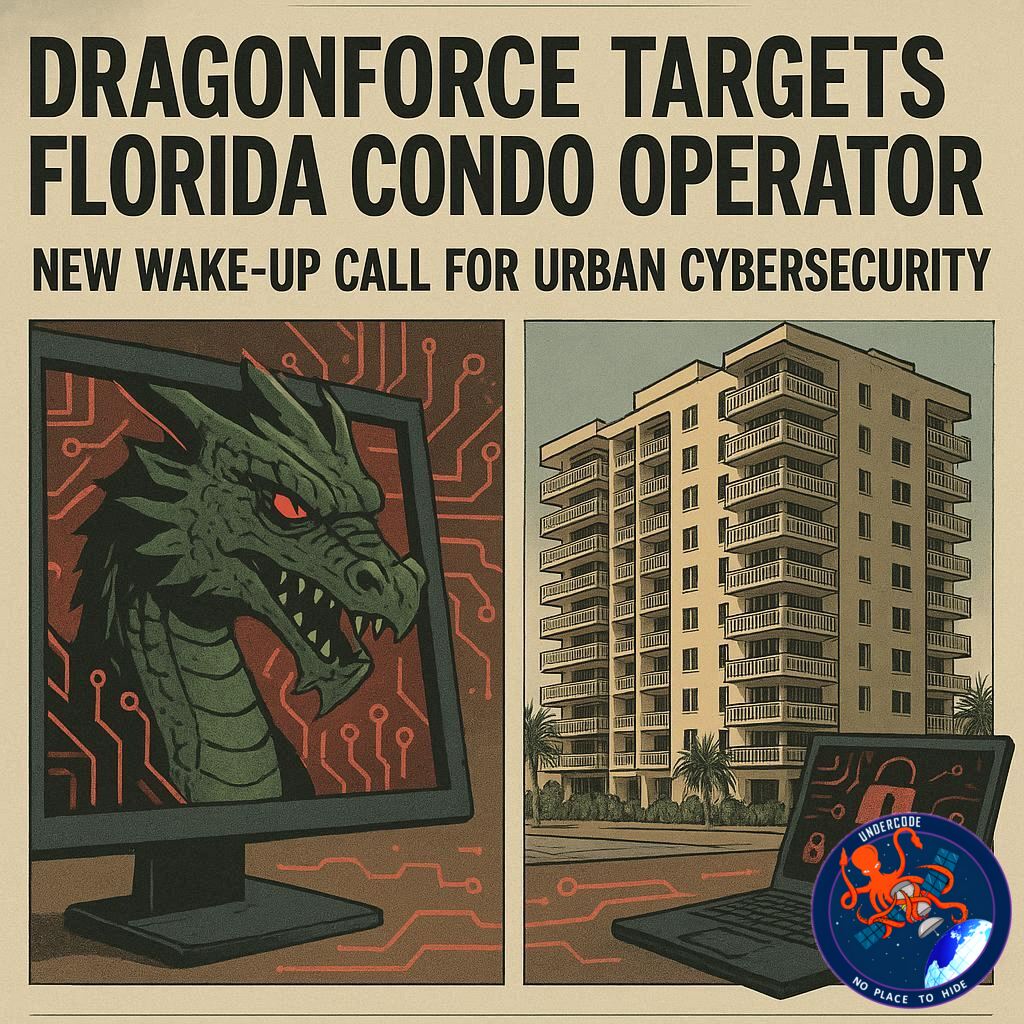
The serenity of Palm Beach’s luxury lifestyle was shattered this week after reports emerged that DragonForce, a notorious hacker collective, allegedly compromised Fountains Condominium Operations Inc., the company managing the high-end Fountains of Palm Beach residential complex. The incident, discovered on October 14, 2025, has reportedly disrupted critical services used by residents — from billing and maintenance systems to communication networks.
While details are still unfolding, the breach highlights an alarming trend: cybercriminals are increasingly targeting real estate and property management sectors, especially in the United States, where connected smart systems now run everything from elevators to surveillance cameras. The group behind this attack, DragonForce, is believed to operate internationally, with a history of cyber-extortion and politically motivated campaigns.
Inside the Attack: How the Breach Unfolded
According to early intelligence shared by TweetThreatNews, DragonForce publicly claimed responsibility for the attack, boasting of infiltrating the condominium’s operational network. Sources familiar with the investigation suggest that ransomware might have been deployed, encrypting sensitive files and paralyzing essential systems.
The Fountains Condominium Operations Inc. serves hundreds of residents, managing both digital and physical infrastructure. The alleged breach means access to vital data — such as financial records, resident communications, and security camera feeds — could have been exposed or rendered inaccessible. For residents, this isn’t just a technical glitch; it’s a direct invasion of privacy and daily convenience.
Cyber experts warn that the real estate and property management sector has quietly become one of the most vulnerable targets in recent years. As condos, smart homes, and gated communities increasingly rely on integrated digital systems for access control, billing, and service management, a single vulnerability can bring entire communities to a standstill.
DragonForce’s claim is particularly concerning because of the group’s ideologically charged background. Known for high-profile data leaks and hacktivist-style operations, the group has previously targeted corporations and government agencies across Southeast Asia and the Middle East. Their pivot toward U.S.-based infrastructure may signal a widening of their operations — and a shift in global cyber threat patterns.
If confirmed, this would mark one of the first known ransomware attacks on a Florida condominium management company in 2025. The Florida Cybersecurity Task Force and federal investigators are reportedly monitoring the situation. However, no official statement has yet been issued by the company or law enforcement.
For residents of the Fountains of Palm Beach, the disruption extends beyond inconvenience. Automated gate systems, security access, and communication platforms that rely on network connectivity may face intermittent outages. The psychological toll — knowing their private data may be in criminal hands — adds another layer to the crisis.
This incident underscores a grim reality: luxury doesn’t mean security. High-end living spaces, often marketed as smart and convenient, are becoming prime targets for digital extortion. As cyberattacks move beyond corporations into residential life, cybersecurity must evolve into a necessity of modern living, not just a corporate safeguard.
What Undercode Say:
DragonForce’s latest claim isn’t just another data breach — it’s a symbolic strike against the illusion of digital safety in modern living environments. The attack reveals how the convergence of convenience and connectivity can quickly become a liability when not paired with rigorous cybersecurity frameworks.
Most property management systems were never designed to withstand cyberwarfare. They were built for efficiency — automating payments, maintenance requests, and resident communications — but not for resilience. This gap is precisely what hacker groups like DragonForce exploit.
Cybercriminals understand that condominium operators are soft targets. They manage large databases of personal and financial information but often lack the cybersecurity maturity of corporate enterprises. Once inside, attackers can freeze billing platforms, manipulate surveillance systems, or threaten data leaks to extract ransom payments.
What makes this case particularly troubling is the psychological manipulation factor. Unlike a corporate breach, where losses are financial, an attack on a residential community touches everyday life — safety, privacy, even trust in the spaces people call home. It’s a reminder that cyberattacks today are not just about stealing information but about eroding human confidence in digital infrastructure.
DragonForce’s move also reflects a broader global trend: hacktivism evolving into hybrid cybercrime. Groups once motivated by ideology or political causes are now blending activism with financial motives. This hybrid model — part protest, part extortion — makes them unpredictable and harder to negotiate with.
From a geopolitical lens, the timing of this attack may not be random. As the U.S. continues to strengthen its cyber defense frameworks, adversarial or loosely affiliated hacker groups test smaller, less-protected entities to measure response times and investigative patterns. In other words, a Florida condo hack might be a testing ground for larger-scale cyber operations down the line.
What should be most concerning to the cybersecurity community is how little visibility most property management firms have into their digital ecosystems. Few conduct penetration testing or have dedicated incident response plans. Most outsource their IT to third-party vendors, creating additional vulnerabilities.
This event should be a call to action for the real estate industry: invest in endpoint protection, multi-factor authentication, and network segmentation. Property management software providers must also adopt Zero Trust models, encrypt resident data, and establish clear cyber incident protocols.
Ultimately, DragonForce’s claim may fade from headlines, but the lesson should not. If a single ransomware attack can disrupt a community’s living standards, then cybersecurity is no longer a corporate issue — it’s a societal one.
Fact Checker Results
✅ DragonForce has an established record of politically charged cyberattacks and data leaks.
✅ The breach claim aligns with their known tactics involving ransomware and public disclosure.
❌ Official confirmation from Fountains Condominium Operations Inc. is still pending.
Prediction
🧠 In the coming months, expect a surge in attacks targeting residential and property management systems, especially in smart-home environments. Cybercriminals will exploit the emotional vulnerability of residents and the weak security postures of management firms. Unless the sector rapidly adapts, the line between personal privacy and digital exposure will continue to blur.
🕵️📝✔️Let’s dive deep and fact‑check.
References:
Reported By: x.com
Extra Source Hub (Possible Sources for article):
https://www.github.com
Wikipedia
OpenAi & Undercode AI
Image Source:
Unsplash
Undercode AI DI v2
Bing
🔐JOIN OUR CYBER WORLD [ CVE News • HackMonitor • UndercodeNews ]
📢 Follow UndercodeNews & Stay Tuned:
𝕏 formerly Twitter 🐦 | @ Threads | 🔗 Linkedin | 🦋BlueSky | 🐘Mastodon


