
Listen to this Post
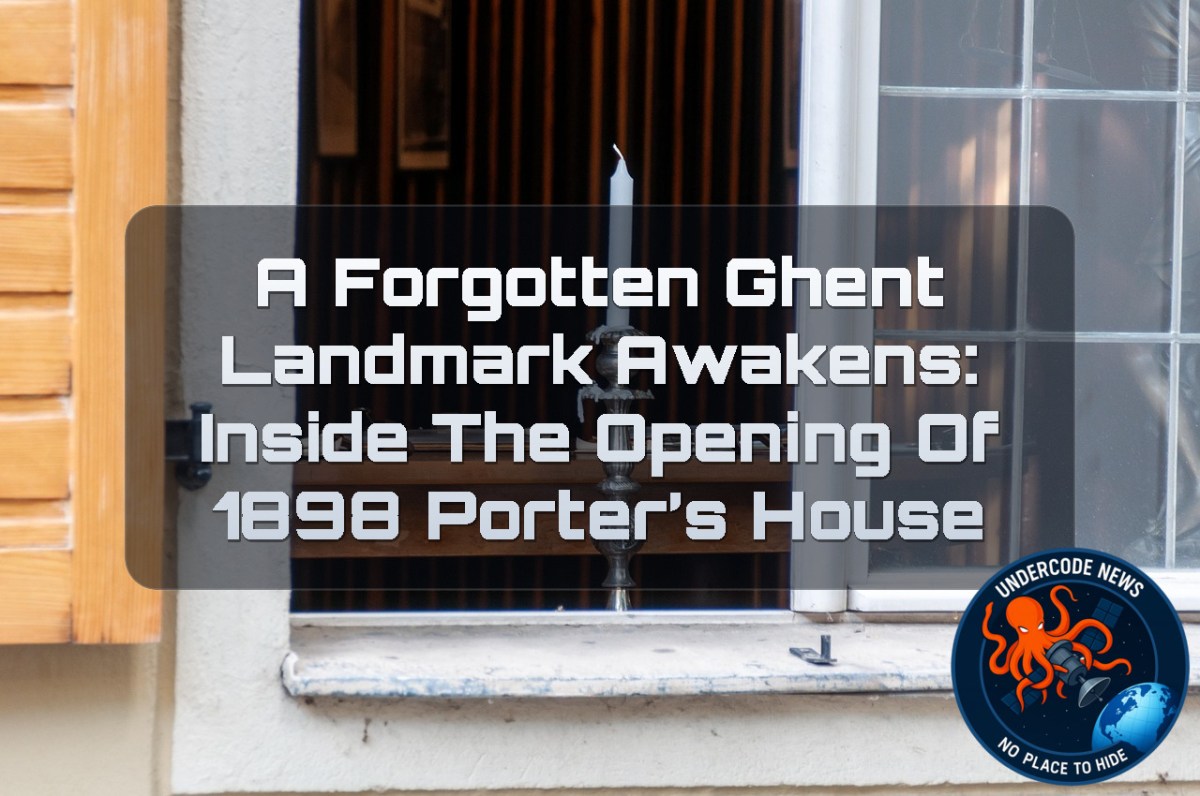
Introduction: Where History, Water and Luxury Meet
Some cities are best understood from behind the windows of a moving car. Ghent is not one of them.
Ghent demands that visitors slow down. Its canals, medieval towers, cobbled streets and centuries-old façades create the feeling of walking through a living historical painting. Now, travellers will soon have another way to experience that atmosphere from the inside. On 1 September, 1898 Porter’s House is scheduled to welcome guests for the first time, transforming a historic waterfront property into an intimate luxury destination.
The opening is more than another hotel launch. It represents a growing desire among travellers to stay somewhere with a story, somewhere that feels connected to the city rather than separated from it. Instead of placing guests inside a generic luxury environment that could exist anywhere in the world, 1898 Porter’s House uses the architecture, materials and history of Ghent itself as part of the experience.
Named after its former role as the porter house connected to the nearby Hotel des Postes et des Télégraphes, the property brings a historic building back into the public eye. Its Gothic revival character remains visible, while its interiors have been redesigned for modern comfort. The result is intended to combine preserved architectural details with marble, aged wood, antique furniture and carefully selected Belgian craftsmanship.
For travellers searching for a different side of Belgium, this opening could offer something especially appealing: the opportunity to wake up inside a historic building, step outside onto the famous Graslei waterfront and explore one of Europe’s most atmospheric medieval cities.
A Historic Waterfront Address Opens Its Doors
1898 Porter’s House occupies a location shaped by Ghent’s architectural identity and long relationship with the River Leie.
The property features a pale stone façade, tall arched windows and imposing double wooden doors, creating an exterior that immediately connects the building with the Gothic revival traditions visible throughout the city. Rather than hiding the structure behind a completely modern redesign, the restoration appears to use the building’s historic personality as one of its strongest attractions.
For guests, this means the accommodation itself becomes part of the travel experience.
Luxury travel has increasingly moved beyond the idea that comfort alone defines a memorable stay. A large room, expensive furniture and premium services are no longer always enough. Travellers often want context. They want to know what happened in the building before they arrived. They want architecture that cannot simply be copied and moved to another city.
1898 Porter’s House appears designed around exactly that principle.
The Story Behind the Name
The name 1898 Porter’s House comes from the building’s former role as the porter house of the nearby Hotel des Postes et des Télégraphes.
That historical connection gives the property an identity that feels rooted in its surroundings rather than created purely for branding. The past has become part of the guest experience, from the building’s name to the architectural features preserved during its refurbishment.
This approach is particularly significant in a city such as Ghent, where history is visible almost everywhere.
A visitor can walk from a medieval castle to a canal-side café, pass Gothic churches, cross old bridges and encounter buildings representing several centuries of European architectural development. A hotel inside such an environment faces an interesting challenge: how can it offer modern luxury without feeling disconnected from the city around it?
The answer, at least in the case of 1898 Porter’s House, seems to be preservation combined with carefully selected modern comfort.
Interiors Designed Around the
Inside the property, historic elements have been preserved rather than replaced.
Soaring ceilings, original doors and fireplaces remain part of the interiors, giving rooms and shared spaces a visual connection to the building’s earlier life. These details are complemented by marble surfaces, aged wood and antique writing desks, along with vintage mirrors sourced from across Belgium.
The combination creates an atmosphere that appears deliberately layered.
Nothing about the concept suggests that the goal is to create a perfectly polished modern hotel where every surface looks newly manufactured. Instead, the attraction lies in contrast. Old wood can exist beside modern bathroom features. Antique furniture can share space with contemporary hospitality services. A preserved fireplace can become a reminder that the building existed long before smartphones, digital check-ins and global tourism.
That contrast is increasingly valuable.
In an era when many hotels compete using similar minimalist interiors, historical imperfections can become a form of luxury. A slightly irregular architectural detail, a heavy wooden door or an original ceiling may offer something that cannot easily be reproduced.
The Porter’s Room Offers an Intimate Entry Point
Among the accommodation options is the Porter’s Room, located in the Porter’s House wing.
The room combines warm wooden flooring with marble bathroom finishes, while a double vanity and twin rain showers add a more contemporary level of comfort. It is designed for travellers who want the historic atmosphere of the property without necessarily requiring one of its larger suites.
The Porter’s Room can also be connected with the Porter’s Junior Suite.
That arrangement creates a more flexible option for families, friends or guests travelling together. Instead of booking completely separate accommodation, visitors can create a two-bedroom setup while remaining connected inside the same historic property.
Flexibility matters in boutique hospitality.
A small luxury property cannot always compete with the number of room categories offered by a major international hotel. What it can do is create different ways of experiencing the same building. Connecting rooms, suites and private rental options allow guests to choose between intimacy and exclusivity.
Larger Suites Bring the Graslei Into the Experience
For guests seeking more space, the Porter’s Graslei Suite and Porter’s Family Suite offer one of the property’s most attractive features: terraces overlooking the Graslei quay.
The Graslei is among
A terrace overlooking this part of the city changes the relationship between guest and destination.
Instead of simply visiting the Graslei for an hour and returning to a hotel elsewhere, guests can remain visually connected to one of Ghent’s most famous landscapes. Morning coffee, an afternoon break or an evening conversation can take place above the waterfront.
For a historic destination, location is not simply about distance from attractions. Sometimes, the view itself becomes part of the accommodation.
An Entire Historic Property Can Become Your Private Retreat
One of the most distinctive options at 1898 Porter’s House is the ability to reserve the entire property.
A group of up to ten guests can take over the building for a more private experience. This could appeal to families, small groups of friends, executive travellers or guests celebrating a special occasion.
Private-use accommodation has become increasingly attractive for travellers who want hotel-level design without the feeling of staying in a large shared property.
There is also an emotional advantage to renting an entire historic building.
Instead of feeling like a visitor passing through a hotel corridor, guests can temporarily experience the property as their own residence. They can move through rooms connected by history, gather around preserved architectural features and enjoy the waterfront location without sharing the atmosphere with hundreds of other guests.
That kind of exclusivity is difficult for larger hotels to replicate.
The Kitchen Brings Belgian Hospitality to the Table
The
Breakfast and afternoon tea will provide guests with freshly baked pastries, seasonal delicacies and artisanal breads. The concept appears designed to continue the intimate atmosphere found throughout the rest of the property.
Food is especially important in boutique hospitality because it can reinforce the identity of a destination.
A breakfast buffet may sound simple, but the difference often lies in how ingredients are selected and presented. Freshly baked products, local influences and seasonal items can make the first meal of the day feel connected to the place outside the hotel doors.
For international travellers, these smaller details often become part of their memory of a city.
Years later, a guest may forget the exact size of a room. They may not remember every item of furniture. But they may remember drinking coffee beside a historic canal, eating fresh bread in an old building or watching Ghent slowly wake up outside the window.
Ghent Offers a Different Way to Experience Belgium
The opening of 1898 Porter’s House may also draw attention to Ghent itself as a destination.
Belgium is often associated internationally with Brussels, Bruges, chocolate, beer and European institutions. Ghent sometimes receives less attention than its famous neighbours, despite offering a remarkable combination of medieval architecture, cultural institutions, restaurants and modern city life.
That relative position may actually be part of its advantage.
Ghent can feel less like an open-air museum and more like a functioning city where history and daily life continue side by side. Students, residents, businesses and tourists all move through streets surrounded by centuries-old architecture.
The city’s tourism identity has been described as a cultural experience on a human scale, and that description captures something important. Ghent offers major historical attractions without always requiring visitors to navigate the scale and intensity of Europe’s largest capitals.
For travellers who want Belgium beyond the most obvious destinations, Ghent can provide a compelling alternative.
The Castle of the Counts Remains a Medieval Landmark
A visit to Ghent would not be complete without exploring the Castle of the Counts, also known as Gravensteen.
The medieval fortress stands as one of the city’s most dramatic landmarks and remains an important reminder of Flanders’ political and military past. Surrounded by a moat and retaining much of its historic defensive character, the castle creates an immediate visual contrast with the cafés, restaurants and modern life surrounding it.
Its history reaches back through centuries of regional power struggles and architectural transformation.
Today, visitors can explore the fortress while learning about its unusual and often dramatic past. The experience demonstrates one of Ghent’s greatest strengths as a destination: history is not hidden behind glass. It can be climbed, walked through and viewed from above.
A stay at 1898 Porter’s House could therefore become the starting point for a wider journey through the city’s medieval landscape.
Ghent’s Museums Add Another Layer to the City
Beyond its architecture, Ghent offers museums covering everything from natural history to fine art.
Kina: House provides a family-friendly experience focused on the world of plants and animals, making it particularly interesting for younger visitors and curious travellers.
Meanwhile, the Museum of Fine Arts offers a much broader journey through artistic history. Its collections include works ranging across several centuries, with paintings, sculptures, drawings, etchings and tapestries connecting visitors with artistic movements from the Middle Ages through the modern era.
The contrast between these institutions reflects the diversity of Ghent.
A traveller could spend the morning studying historic art, walk along a medieval canal in the afternoon and finish the day in a contemporary restaurant. Few destinations combine those experiences within such a walkable environment.
This is where boutique hotels can become strategically important.
The right accommodation does not simply provide a place to sleep. It can become the centre of the travel experience, connecting guests to museums, landmarks, food and neighbourhoods.
Publiek Represents
For visitors interested in food, Publiek represents another side of the city.
The restaurant has earned a Michelin star and presents a modern approach to fine dining, with menus that can range from individual lunch dishes to multi-course evening experiences.
Ingredients such as chicken, kohlrabi, veal, quail, mackerel and hake demonstrate how the restaurant combines familiar European products with contemporary culinary presentation.
Ghent’s food scene is important because it prevents the city from being defined only by its past.
Medieval towers may attract visitors, but restaurants, cafés and contemporary culture keep the city alive. The combination of old architecture and modern gastronomy creates an experience that feels less frozen in history.
For guests staying near the waterfront, this creates the possibility of moving easily between centuries.
One moment may be spent inside a historic building. The next may involve a modern tasting menu. Later, the evening can end beside a canal that has been part of Ghent’s landscape for generations.
Why Historic Hotels Are Becoming More Valuable
The opening of 1898 Porter’s House reflects a wider shift in luxury travel.
For decades, hotel development often focused on consistency. A traveller arriving in one international city could expect a familiar experience in another. The room design, restaurant concept and service model were often intentionally predictable.
Today, a growing part of the luxury market is moving in the opposite direction.
Travellers increasingly search for properties that could not exist anywhere else.
A historic building in Ghent has an advantage because its architecture cannot be duplicated without losing authenticity. The location beside the Graslei cannot simply be recreated inside a modern development. The story behind the porter house provides a narrative that a newly constructed hotel would have to invent.
Authenticity, when carefully preserved, has become a competitive advantage.
Preservation Can Become a Form of Modern Luxury
Luxury is changing.
For some travellers, luxury once meant everything looking new. Today, luxury can mean staying somewhere old but exceptionally well cared for.
An original fireplace can be more valuable than a decorative imitation. A preserved wooden door may tell a more compelling story than a perfectly manufactured replacement. A historic façade can create an emotional connection before the guest even checks in.
This does not mean comfort is becoming less important.
Instead, the most successful historic properties combine preservation with modern expectations. Guests may want centuries-old architecture, but they still expect comfortable beds, reliable services, high-quality bathrooms and thoughtful hospitality.
The challenge is balance.
Preserve too much without upgrading the experience, and the building can become inconvenient. Modernise too aggressively, and the property risks losing the very character that made it special.
1898 Porter’s House appears to be positioning itself in the space between those two extremes.
Ghent’s Waterfront Could Become the Hotel’s Greatest Asset
Location is often the most difficult advantage for a new hospitality project to replicate.
Buildings can be renovated. Interiors can be redesigned. Restaurants can change their menus.
But a centuries-old waterfront location cannot be manufactured.
The Graslei has become one of the visual symbols of Ghent, attracting people who want to photograph the historic façades, sit near the water or simply watch the city move around them.
By placing guests directly within that environment, 1898 Porter’s House could benefit from a form of natural storytelling.
The city becomes part of the
A window, terrace or short walk outside can provide the experience.
That connection between accommodation and destination may ultimately be more powerful than any individual piece of furniture.
What Undercode Say:
The opening of 1898 Porter’s House shows how the hospitality industry is increasingly turning history into a strategic asset.
The strongest part of the concept is not simply the luxury positioning.
It is the connection between the building and its location.
Modern travellers have access to thousands of hotels through booking platforms.
That creates a serious problem for generic properties.
If a hotel looks almost identical to hundreds of others, price often becomes the main deciding factor.
Historic properties can escape that competition.
They can offer something that cannot easily be copied.
The architecture becomes part of the product.
The story becomes part of the marketing.
The destination becomes part of the room itself.
Ghent is particularly well positioned for this model.
The city already has strong visual identity.
Its canals, medieval structures and waterfront areas create immediate recognition.
The challenge is converting that recognition into longer and more valuable visitor stays.
A boutique luxury property can help achieve that.
Guests staying in a historic waterfront building may be more likely to explore the surrounding neighbourhood slowly.
They may spend more time in local restaurants.
They may visit museums rather than rushing through a short day trip.
This can create wider economic benefits for the city.
Another important factor is exclusivity.
The option to rent the entire property for up to ten guests creates a second market beyond traditional hotel bookings.
Families, private groups and business travellers increasingly want spaces that combine privacy with professional hospitality.
This model can also support premium pricing.
However, historic luxury hospitality is not without risks.
Old buildings are expensive to maintain.
Restoration requires continuous investment.
Modern safety, accessibility and operational requirements can create difficult compromises.
The property must also avoid becoming too dependent on aesthetics.
Beautiful architecture can attract attention.
But repeat visitors depend on service quality.
A disappointing guest experience can quickly damage even the most visually impressive hotel.
The long-term success of 1898 Porter’s House will therefore depend on execution.
The location gives it a strong starting advantage.
The architecture provides a compelling identity.
The interiors create visual differentiation.
The real test will be whether the service matches the story.
If it does, the property could become more than a place to stay.
It could become part of the reason travellers choose Ghent.
That is the most important opportunity.
In the future, travellers may increasingly select destinations based on distinctive accommodation experiences.
Hotels are becoming attractions in their own right.
Historic preservation can therefore become both a cultural and commercial strategy.
For Ghent, this opening is another reminder that heritage does not have to remain frozen in the past.
When restored intelligently, history can continue generating new economic and cultural value.
Deep Analysis: Understanding the Digital Visibility Challenge
A historic boutique hotel can have an extraordinary building and still struggle if travellers cannot easily discover it online.
Digital visibility will therefore be as important as architecture.
The property needs strong search engine optimisation around terms related to luxury accommodation in Ghent, historic hotels, the Graslei waterfront and private group stays.
A basic Linux workflow can help analyse website performance and monitor public web assets.
For example, administrators can inspect HTTP response headers with:
curl -I https://example-hotel-domain.com
They can test page response timing using:
curl -o /dev/null -s -w "Total Time: %{time_total}
" https://example-hotel-domain.com
They can retrieve the robots configuration with:
curl https://example-hotel-domain.com/robots.txt
A sitemap can be reviewed using:
curl https://example-hotel-domain.com/sitemap.xml
Administrators can inspect DNS records with:
dig example-hotel-domain.com
They can also check HTTPS certificate information with:
openssl s_client -connect example-hotel-domain.com:443 -servername example-hotel-domain.com
From an SEO perspective, pages should clearly communicate the property’s identity.
Search engines need structured information.
Guests need fast-loading pages.
Photography should be optimised without sacrificing visual quality.
Descriptions should focus on genuine differentiators rather than generic luxury language.
Terms such as historic waterfront accommodation, private house rental, Graslei views and boutique suites may help communicate the property’s unique position.
The most effective digital strategy will likely combine technical performance with storytelling.
A website should not merely display rooms.
It should explain why the building matters.
It should show the relationship between the porter house, Ghent and the surrounding waterfront.
The
Technology should amplify that story rather than replace it.
✅ The article’s central claim that 1898 Porter’s House is a historic property in Ghent connected to the former porter house of the nearby Hotel des Postes et des Télégraphes is presented as factual information from the original report.
✅ The descriptions of accommodation options, preserved architectural features, Graslei-facing terraces and The Kitchen are based on the details supplied in the source material.
❌ Future performance claims, including whether the property will become a major luxury destination or significantly influence tourism in Ghent, remain predictions and cannot yet be treated as established facts.
Prediction
(+1) The opening of 1898 Porter’s House could strengthen Ghent’s position among travellers looking for boutique luxury accommodation with authentic historical character.
Demand for private-use historic properties may increase as families and small groups continue seeking more exclusive travel experiences.
Waterfront suites and terraces overlooking the Graslei could become among the property’s strongest booking and marketing assets.
The property may face challenges if high operating costs, preservation requirements or inconsistent service affect the guest experience.
Competition from established luxury hotels and alternative accommodation in Belgium could make long-term differentiation essential.
A New Chapter for an Old Building
On 1 September, a historic Ghent building is expected to begin a completely new chapter.
1898 Porter’s House is not attempting to erase its past in the name of modern luxury. Instead, its appeal comes from the opposite approach. The history remains visible, the architecture remains part of the experience and the building’s relationship with Ghent continues to define its identity.
For travellers, that could mean more than booking a room.
It could mean waking up inside a piece of the city’s architectural history, walking onto the Graslei, exploring medieval streets, visiting museums, discovering modern Belgian cuisine and returning at the end of the day to a building with a story of its own.
In a travel industry increasingly crowded with properties competing for attention, that story may prove to be the most luxurious feature of all.
▶️ Related Video (84% Match):
🕵️📝Let’s dive deep and fact‑check.
🎓 Live Courses & Certifications:
Join Undercode Academy for Verified Certifications
🚀 Request a Custom Project:
Secure, high-velocity infrastructure and disruptive technological engineering. Contact our engineering team for high-tier development and proprietary systems:
[email protected]
💎 Smart Architecture | 🛡️ Secure by Design | ⭐ Trusted by Thousands
References:
Reported By: www.euronews.com
Extra Source Hub (Possible Sources for article):
https://stackoverflow.com
Wikipedia
OpenAi & Undercode AI
Image Source:
Unsplash
Undercode AI DI v2
🔐JOIN OUR CYBER WORLD [ CVE News • HackMonitor • UndercodeNews ]
📢 Follow UndercodeNews & Stay Tuned:
𝕏 formerly Twitter 🐦 | @ Threads | 🔗 Linkedin | 🦋BlueSky | 🐘Mastodon | 📺Youtube


