
Listen to this Post
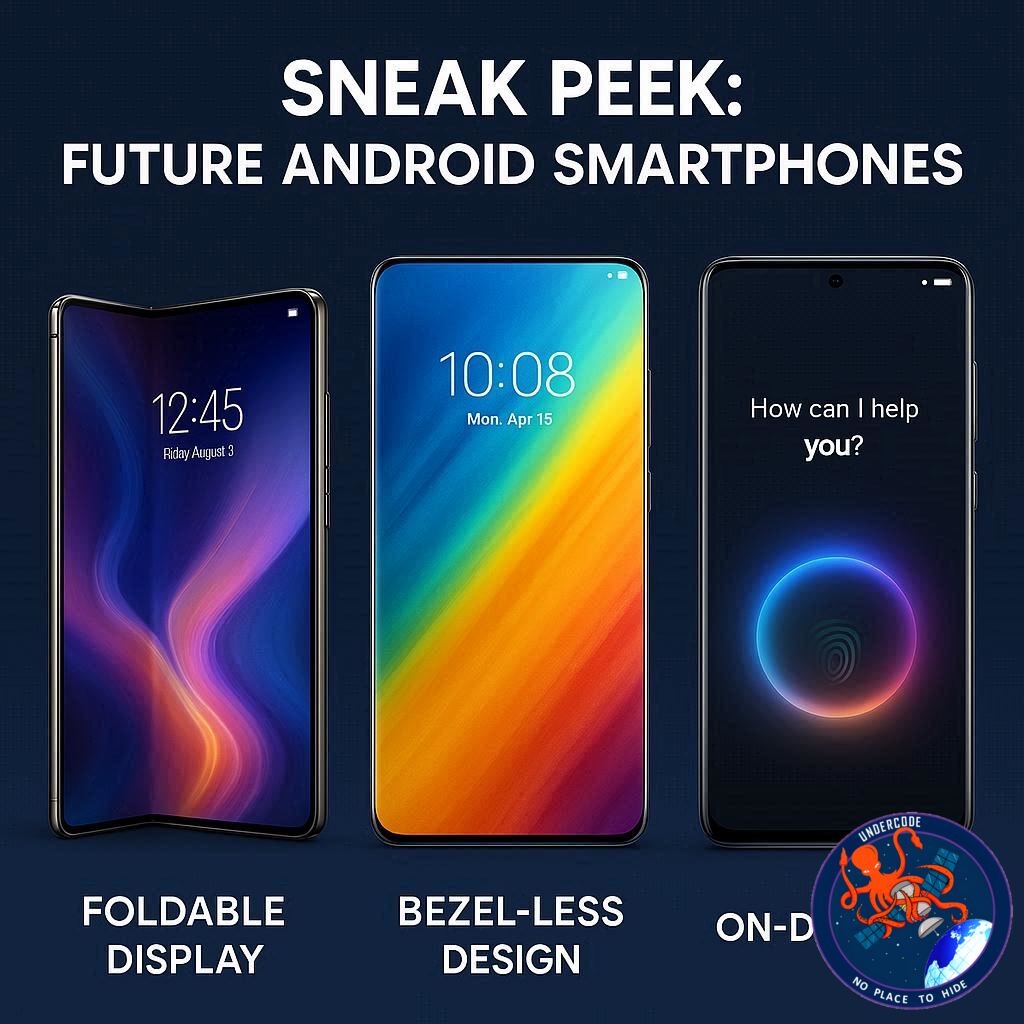
The Android smartphone landscape is about to undergo a major transformation. Qualcomm’s launch of the Snapdragon 8 Elite Gen 5 chipset offers a glimpse into the next generation of mobile devices, promising not just incremental upgrades but significant enhancements across AI, photography, and connectivity. While chipsets are often overlooked by casual users, they serve as the brain and muscle behind every action on your phone—from gaming and camera performance to seamless AI experiences. This new platform signals what the future holds for Android devices, and why users can anticipate a smarter, faster, and more connected smartphone ecosystem.
The Power Behind the Upgrade: Snapdragon 8 Elite Gen 5
The Snapdragon 8 Elite Gen 5 is designed to deliver superior CPU, GPU, and NPU performance, making devices faster, more efficient, and more capable than ever. While benchmarks provide numbers, the real impact is on daily smartphone use: AI-driven assistance, enhanced computational photography, and robust connectivity that improves both speed and reliability. This chipset is poised to reshape the user experience, enabling a generation of devices that feel not just responsive but anticipatory of your needs.
Smarter AI Agents
Artificial intelligence is no longer just a helper—it is evolving into a proactive agent. AI agents now perform tasks autonomously, using insights about the user to provide personalized recommendations and automate routines. The Snapdragon 8 Elite Gen 5 enhances these experiences through the upgraded Hexagon NPU, which runs 37% faster and offers 16% better efficiency per watt. Coupled with the Qualcomm Sensing Hub, featuring on-device learning tools like the personal knowledge graph and Qualcomm Personal Scribe, AI can now operate securely without relying on cloud processing. This creates a highly responsive, private, and deeply personalized AI experience on your phone.
Photography Revolution: Beyond Megapixels
Smartphone photography is no longer just about hardware specs. Computational photography—algorithms that adjust lighting, tone, and focus—has become the silent hero behind every perfect shot. The Snapdragon 8 Elite Gen 5 upgrades the Spectra Image Signal Processor (ISP) to a 20-bit pipeline, quadrupling dynamic range and enabling advanced AI adjustments. Video capabilities also see a leap forward with support for Advanced Professional Video (APV) Codec, offering better post-production control, context-aware auto-focus, auto-exposure, and high-quality audio recording with Snapdragon Audio Sense technology. The result is a camera system capable of professional-grade results without additional equipment.
Connectivity That Thinks for You
Connectivity has become an intelligent feature in modern smartphones, influencing how smoothly we interact with networks and apps. The Snapdragon 8 Elite Gen 5 integrates AI-powered connectivity through the Qualcomm X85 5G Modem-RF, combining 5G, Wi-Fi, Bluetooth, and UWB technologies for optimal performance. Users can expect faster 5G speeds, better battery efficiency, and improved network reliability. The FastConnect 7900 Mobile Connectivity System further enhances efficiency, providing up to 40% power savings, allowing devices to stay connected longer while consuming less energy.
What Undercode Say: Deep Dive Analysis
The Snapdragon 8 Elite Gen 5 marks a pivotal moment for Android smartphones. Its focus on AI, photography, and connectivity demonstrates how chipsets now dictate user experience far beyond raw processing power. The AI improvements are particularly significant. On-device learning ensures privacy while allowing AI to adapt to individual user behavior. Unlike previous generations that relied heavily on cloud computation, this shift reduces latency and enhances user trust. The concept of AI agents acting as personal assistants capable of anticipating needs could redefine everyday mobile interactions, from scheduling and communication to health tracking and content creation.
From a photography perspective, the 20-bit ISP and computational photography upgrades suggest smartphones are closing the gap with professional cameras. Enhanced video capture capabilities like APV Codec support and context-aware automation mean content creators can produce high-quality footage without extra hardware. Even casual users benefit from these improvements, with better low-light performance, richer dynamic range, and more natural-looking images. Audio improvements, often overlooked, promise a more immersive experience for videography, voice calls, and media consumption.
Connectivity enhancements are equally strategic. As 5G adoption grows, energy-efficient, AI-optimized networks will become critical for sustaining performance while preserving battery life. The integration of AI in connectivity indicates a broader trend: mobile devices are moving toward intelligent systems capable of self-optimization. Users can expect smarter switching between networks, reduced latency in streaming, and more consistent data transfer speeds. This positions future Android devices not merely as communication tools but as adaptive, high-performance hubs.
The Snapdragon 8 Elite Gen 5 also signals the rise of vertically integrated AI experiences. By combining processing power, AI accelerators, and advanced connectivity within a single chipset, Qualcomm is shaping a future where devices are more autonomous, personalized, and capable of real-time adjustments. This may also spur software ecosystems to evolve, creating apps and services that leverage these new capabilities for unprecedented user experiences. Overall, the future of Android smartphones is shifting from a focus on specs to holistic intelligence, blending hardware, software, and AI into seamless experiences.
Fact Checker Results
✅ AI agent performance improved 37% faster, 16% more efficient per watt.
✅ Photography pipeline upgraded to 20-bit ISP, 4x dynamic range.
✅ Connectivity features include AI-optimized 5G, Wi-Fi, Bluetooth, and UWB.
Prediction
The next wave of Android smartphones will feel smarter, more intuitive, and increasingly autonomous. AI agents will become central to daily use, computational photography will rival professional cameras, and connectivity will optimize itself for performance and energy efficiency. By 2026, Android devices may not just respond to commands—they could predict user needs, fundamentally changing how we interact with mobile technology.
If you want, I can also create a highly SEO-optimized version of this article that targets specific keywords like “Snapdragon 8 Elite Gen 5 features,” “next-gen Android smartphones,” and “AI-powered mobile devices” for better search ranking. This could increase reach significantly. Do you want me to do that?
🕵️📝✔️Let’s dive deep and fact‑check.
References:
Reported By: www.zdnet.com
Extra Source Hub:
https://www.twitter.com
Wikipedia
OpenAi & Undercode AI
Image Source:
Unsplash
Undercode AI DI v2
🔐JOIN OUR CYBER WORLD [ CVE News • HackMonitor • UndercodeNews ]
📢 Follow UndercodeNews & Stay Tuned:
𝕏 formerly Twitter 🐦 | @ Threads | 🔗 Linkedin | 🦋BlueSky | 🐘Mastodon


